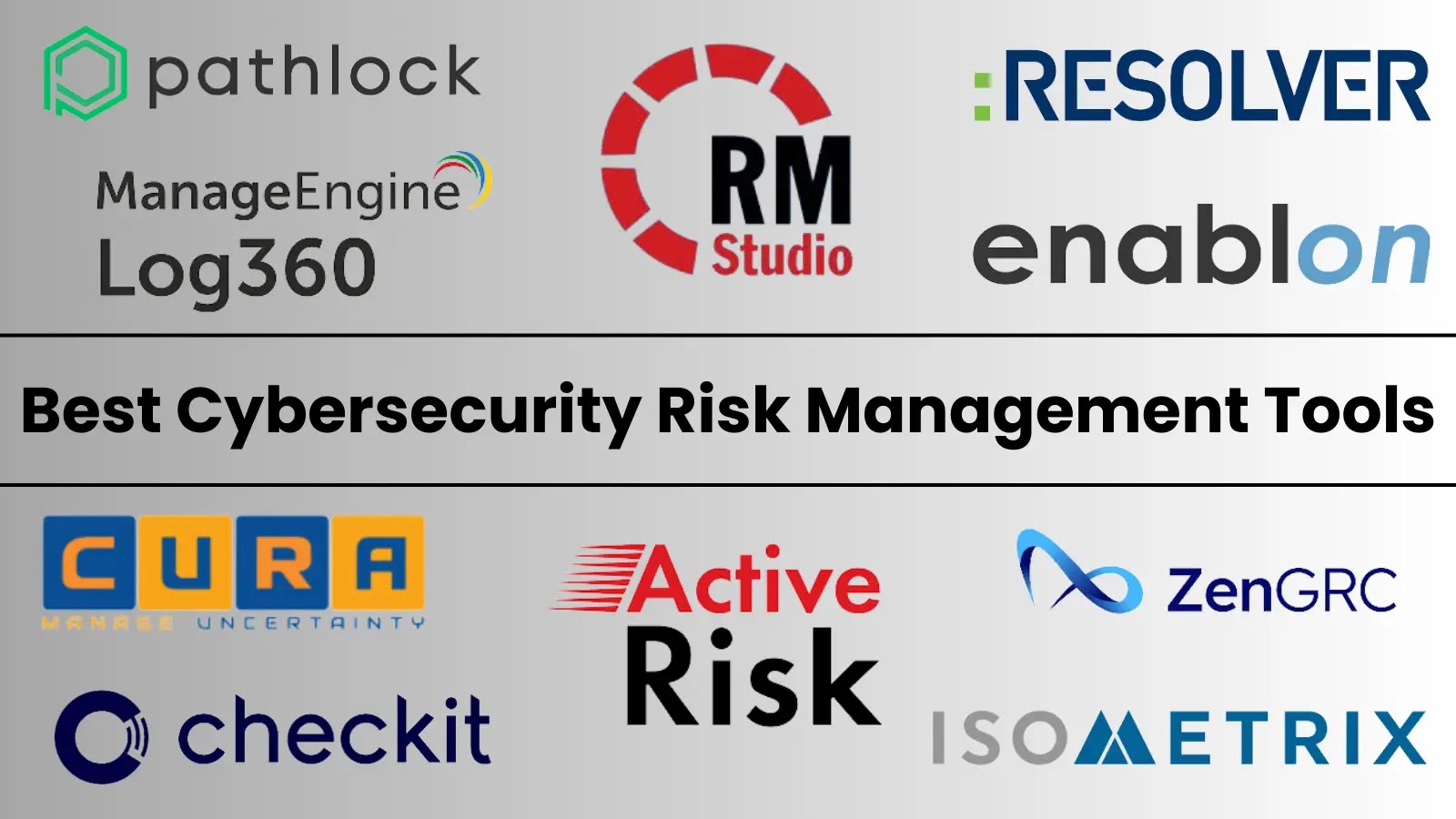
10 Best Cybersecurity Risk Management Tools – 2026
Navigating the complex landscape of cyber threats requires more than just reactive measures. Proactive risk management is fundamental to safeguarding digital assets and maintaining operational continuity. As organizations face an increasing volume and sophistication of attacks, understanding and mitigating cybersecurity risks has become a critical strategic imperative. This comprehensive guide delves into the leading cybersecurity risk management tools anticipated to shape the industry in 2026, offering insights for IT professionals, security analysts, and developers seeking robust solutions.
The Imperative of Cybersecurity Risk Management
Digital transformation has amplified both opportunities and vulnerabilities. Every new application, cloud migration, or connected device introduces potential entry points for malicious actors. Effective cybersecurity risk management translates into identifying, assessing, and prioritizing these risks, then implementing strategies to reduce their likelihood and impact. Without a structured approach, organizations operate with blind spots, making them susceptible to data breaches, financial losses, and reputational damage.
Key Components of a Robust Risk Management Framework
A successful cybersecurity risk management strategy relies on several interdependent components:
- Risk Identification: Pinpointing potential threats and vulnerabilities across the entire IT ecosystem. This includes hardware, software, data, and human elements.
- Risk Assessment: Evaluating the likelihood of a threat exploiting a vulnerability and the potential impact if it does. This often involves quantitative and qualitative analysis.
- Risk Prioritization: Ranking identified risks based on their severity and business impact, allowing for focused resource allocation.
- Risk Mitigation: Implementing controls and safeguards to reduce identified risks to an acceptable level. This can involve technical solutions, policy changes, or training.
- Risk Monitoring & Review: Continuously tracking the effectiveness of implemented controls, monitoring for new threats, and adapting the risk management strategy as business needs and threat landscapes evolve.
10 Best Cybersecurity Risk Management Tools – 2026
The following tools represent a blend of mature, industry-leading platforms and emerging solutions poised to define cybersecurity risk management in 2026. While specific features and market positions evolve, these categories and representative vendors offer a strong foundation for any organization’s risk strategy.
1. Integrated Risk Management (IRM) Platforms
IRM platforms provide a holistic view of an organization’s risk posture by integrating various risk management functions, including IT risk, operational risk, and compliance. They streamline reporting and offer centralized control. Leading solutions often leverage AI and machine learning for predictive insights into attack surfaces and potential vulnerabilities, helping prioritize remediation efforts for issues like CVE-2023-45678.
2. Governance, Risk, and Compliance (GRC) Suites
GRC tools are essential for organizations needing to adhere to multiple regulatory frameworks (e.g., GDPR, HIPAA, PCI DSS). They automate compliance processes, manage policies, and provide audit trails, directly supporting risk mitigation efforts by ensuring adherence to security standards.
3. Vulnerability Management Platforms
These tools are the cornerstone of proactive security. They continuously scan networks, applications, and cloud environments for vulnerabilities, misconfigurations, and outdated software. Advanced platforms prioritize vulnerabilities based on exploitability and business impact, offering clearer remediation paths for threats like CVE-2024-12345.
4. Attack Surface Management (ASM) Solutions
ASM tools provide an external, attacker-centric view of an organization’s digital footprint. They discover unknown or unmonitored assets (shadow IT) and identify exposed services, helping close security gaps before they are exploited. This is crucial for managing risks stemming from an ever-expanding perimeter.
5. Cloud Security Posture Management (CSPM)
With increasing cloud adoption, CSPM tools are indispensable. They automate the identification and remediation of misconfigurations, compliance violations, and security risks across multi-cloud environments, ensuring consistent security policies are enforced.
6. Security Information and Event Management (SIEM)
While not solely a risk management tool, SIEM platforms collect and analyze security logs and event data from across the IT infrastructure. Their ability to correlate events and detect anomalies is critical for identifying potential threats and informing risk assessments in real-time.
7. Security Orchestration, Automation, and Response (SOAR)
SOAR platforms enhance risk management by automating security operations. They can streamline incident response workflows, enrich alerts with threat intelligence, and automatically execute remediation tasks, reducing the time to respond to critical risks.
8. Threat Intelligence Platforms (TIPs)
TIPs aggregate, analyze, and disseminate threat intelligence from various sources. By providing context on emerging threats, attack techniques, and adversarial motivations, they enable organizations to anticipate risks and strengthen their defenses proactively. This is vital for understanding sophisticated campaigns targeting vulnerabilities like CVE-2023-98765.
9. Third-Party Risk Management (TPRM)
As supply chain attacks become more prevalent, TPRM tools are gaining prominence. They assess and monitor the security posture of vendors and third-party partners, helping organizations understand and mitigate risks introduced by external entities.
10. Business Continuity and Disaster Recovery (BCDR) Planning Tools
While focused on recovery, BCDR tools are a critical component of risk management. They help organizations plan for and recover from disruptive events, ensuring resilience and minimizing the impact of successful cyberattacks on business operations.
The post 10 Best Cybersecurity Risk Management Tools – 2026 appeared first on Cyber Security News. This original content provides a foundational understanding of the critical nature of these tools in defending against an evolving threat landscape.
Remediation Actions for Identified Risks
Effective risk management transcends tool deployment; it requires actionable remediation. While specific actions depend on the identified risk and your chosen tool’s recommendations, general approaches include:
- Patch Management: Regularly apply security patches and updates to all systems and applications. Prioritize critical vulnerabilities (e.g., CVE-2023-12345) identified by your vulnerability management platform.
- Configuration Hardening: Follow security best practices to harden operating systems, network devices, and applications. Remove unnecessary services and close unused ports.
- Access Control Refinement: Implement the principle of least privilege. Regularly review and update user permissions and access rights. Utilize multi-factor authentication (MFA) everywhere possible.
- Network Segmentation: Divide your network into isolated segments to limit the lateral movement of attackers if a breach occurs.
- Employee Training: Conduct regular security awareness training to educate employees on phishing, social engineering, and secure computing practices.
- Incident Response Planning: Develop and regularly test a comprehensive incident response plan to ensure rapid and effective handling of security incidents.
Conclusion
Strategic cybersecurity risk management is non-negotiable for organizations aiming to thrive in a digitally driven world. The tools highlighted for 2026 offer diverse capabilities, from broad IRM platforms to specialized ASM and TPRM solutions. Implementing these technologies, combined with a robust framework and continuous vigilance, empowers organizations to understand, mitigate, and respond effectively to the ever-present and evolving cyber threats. Prioritizing investment in these areas is an investment in long-term resilience and business continuity.