10 Best UTM (Unified Threat Management) Firewalls – 2026
In the relentlessly evolving landscape of cyber threats, businesses, particularly small to medium-sized enterprises (SMBs), face a constant barrage of sophisticated attacks. While individual security solutions offer protection, managing disparate systems can become a complex, resource-intensive nightmare. This is where Unified Threat Management (UTM) firewalls emerge as a strategic imperative, consolidating comprehensive security functionalities into a single, manageable platform. For 2026, understanding the leading UTM solutions is not just prudent; it’s essential for maintaining robust defense without significant operational overhead.
What is a UTM Firewall?
A UTM firewall integrates multiple security features into a single device or service, simplifying network security management. Traditional firewalls primarily focus on packet filtering and stateful inspection. UTM solutions, however, go far beyond, offering a holistic security posture. They are designed to act as a central point of defense, streamlining security operations and reducing the attack surface for organizations of all sizes.
Key Components of a UTM Firewall
The strength of a UTM system lies in its integrated capabilities. A robust UTM solution typically bundles a suite of critical security functionalities:
- Firewall: The foundational component, controlling inbound and outbound network traffic based on predefined security rules.
- Intrusion Detection/Prevention System (IDPS): Actively monitors network traffic for malicious activity and takes action to block or alert on detected threats.
- Antivirus/Anti-malware: Scans incoming and outgoing data for known and unknown viruses, worms, Trojans, and other forms of malicious software.
- Anti-spam: Filters out unsolicited and malicious email, protecting inboxes from phishing attempts and malware delivery.
- Virtual Private Network (VPN): Establishes secure, encrypted connections for remote users and site-to-site communication, safeguarding data in transit.
- Web Filtering: Controls access to websites based on categories, content, or user policies, preventing access to dangerous or unproductive sites.
- Application Control: Manages and restricts the usage of specific applications on the network, enhancing security and productivity.
Why UTM is Crucial for SMBs
For SMBs, resource constraints often make managing multiple security vendors and complex deployments a significant challenge. UTM firewalls address these pain points directly:
- Simplified Management: A single console for configuration, monitoring, and reporting significantly reduces administrative burden.
- Cost-Effectiveness: Consolidating multiple security functions into one appliance or service often proves more economical than purchasing and maintaining individual solutions.
- Comprehensive Protection: UTMs provide a layered defense against a wide array of cyber threats, from sophisticated malware to phishing attacks.
- Real-time Threat Intelligence: Many UTM platforms leverage cloud-based threat intelligence, allowing for rapid detection and response to emerging threats.
- Reduced Complexity: A unified approach minimizes integration issues and potential security gaps that can arise from disparate systems.
Considerations for Choosing a UTM in 2026
As you evaluate UTM firewall solutions for the coming year, keep the following factors in mind:
- Scalability: Ensure the solution can grow with your business needs and increasing network traffic.
- Performance: Investigate how the UTM performs under various load conditions to avoid bottlenecks.
- Ease of Use: A cumbersome interface negates the benefits of simplified management. Look for intuitive dashboards and clear reporting.
- Threat Intelligence Integration: The ability to leverage up-to-date threat feeds is paramount for proactive defense.
- Vendor Support: Reliable customer support and a strong update schedule are critical for long-term security.
- Specific Features: Evaluate if the UTM offers specialized features relevant to your industry or compliance requirements.
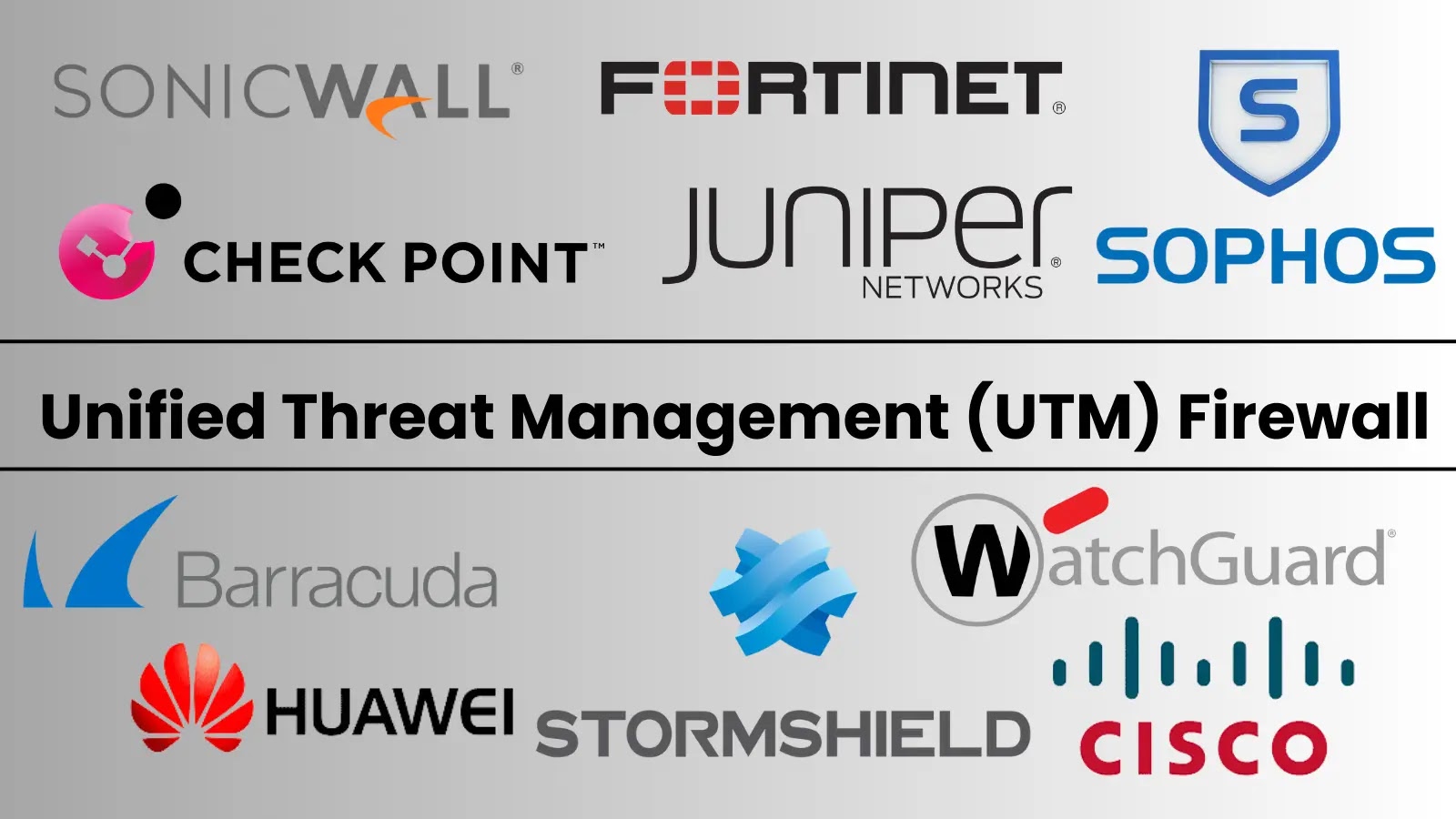
10 Best UTM Firewalls – 2026
While specific rankings can fluctuate based on new releases and evolving threat landscapes, the following vendors consistently offer leading UTM solutions:
- Fortinet FortiGate: Renowned for its high-performance security processors and comprehensive suite of security features, including advanced threat protection, SD-WAN capabilities, and extensive reporting.
- Sophos XG Firewall (now Sophos Firewall): Offers an intuitive interface and strong integration across Sophos’s ecosystem, including endpoint protection. Its synchronized security approach provides excellent visibility and threat response.
- Palo Alto Networks Next-Generation Firewall (NGFW) with Threat Prevention: While technically an NGFW, its extensive application control, user identification, and advanced threat prevention capabilities place it firmly in the UTM consideration set for enterprises.
- WatchGuard Firebox: Known for its strong security features, including APT Blocker, Threat Detection and Response, and content filtering, with a focus on ease of deployment and management.
- Cisco Meraki MX Series: Appeals to businesses looking for cloud-managed security. Offers simplified deployment and management, integrated SD-WAN, and a robust feature set for distributed environments.
- SonicWall TZ Series: Provides robust security for SMBs with features like deep packet inspection, intrusion prevention, and anti-malware, all managed through a user-friendly interface.
- Zyxel ZyWALL/USG Series: Offers a cost-effective solution for SMBs with a good balance of security features, including VPN, content filtering, and IDP, suitable for various network sizes.
- Barracuda CloudGen Firewall: Focuses on advanced threat protection, secure SD-WAN, and robust cloud integration, making it ideal for distributed organizations and hybrid cloud environments.
- Untangle NG Firewall: A highly customizable and affordable option, often lauded for its flexibility and open-source foundations. It provides comprehensive protection with a modular design, allowing businesses to select desired features.
- KerioControl by GFI Software: Offers a strong all-in-one security solution with integrated firewall, router, IDPS, anti-virus, web filtering, and QoS, making it a solid choice for SMBs prioritizing ease of use and comprehensive feature sets.
Remediation Actions and Best Practices
Implementing a UTM firewall is a critical first step. To maximize its effectiveness, consider these remediation actions and best practices:
- Regular Updates: Ensure your UTM firmware and security definitions are always up to date. Threats like CVE-2023-46805 (an authentication bypass vulnerability) and CVE-2024-21887 (a command injection vulnerability), often found in networking devices, underscore the importance of patching known vulnerabilities promptly.
- Strong Access Control: Implement multi-factor authentication (MFA) for administrative access to the UTM and enforce strong, unique passwords.
- Regular Audits and Logging Review: Periodically review UTM logs and configurations to identify anomalies and ensure policies remain effective and relevant.
- Network Segmentation: Utilize the UTM’s capabilities to segment your network, limiting the lateral movement of threats in case of a breach.
- Employee Training: Educate employees on cybersecurity best practices, as human error remains a significant vector for attacks.
- Backup Configurations: Regularly back up your UTM configurations to facilitate quick recovery in case of an issue.
- Performance Monitoring: Keep an eye on UTM resource utilization to ensure it’s not becoming a bottleneck, especially as your network traffic grows.
Conclusion
The digital threat landscape is unforgiving, demanding robust and adaptive security solutions. For 2026, UTM firewalls remain an indispensable tool for SMBs, offering a unified, simplified, and highly effective defense mechanism. By consolidating essential security functions into a single platform, UTMs empower organizations to protect their assets from evolving cyber threats without being overwhelmed by complexity or cost. Carefully evaluating the available options and aligning them with your specific business needs will ensure your organization builds a resilient and secure digital future.