1Campaign Platform Helps Attackers Bypass Google Ads Screening to Show Malicious Ads
Google Ads stands as a cornerstone of online advertising, a platform millions trust daily for sponsored search results. Users click these links, confident in the integrity of Google’s screening processes. However, a troubling new development has emerged: a sophisticated cloaking platform dubbed 1Campaign is actively enabling cybercriminals to bypass these critical safeguards, pushing malicious advertisements directly into users’ search results. This presents a significant and immediate risk, exposing individuals to phishing scams, cryptocurrency theft, and other digital dangers.
Understanding the 1Campaign Threat
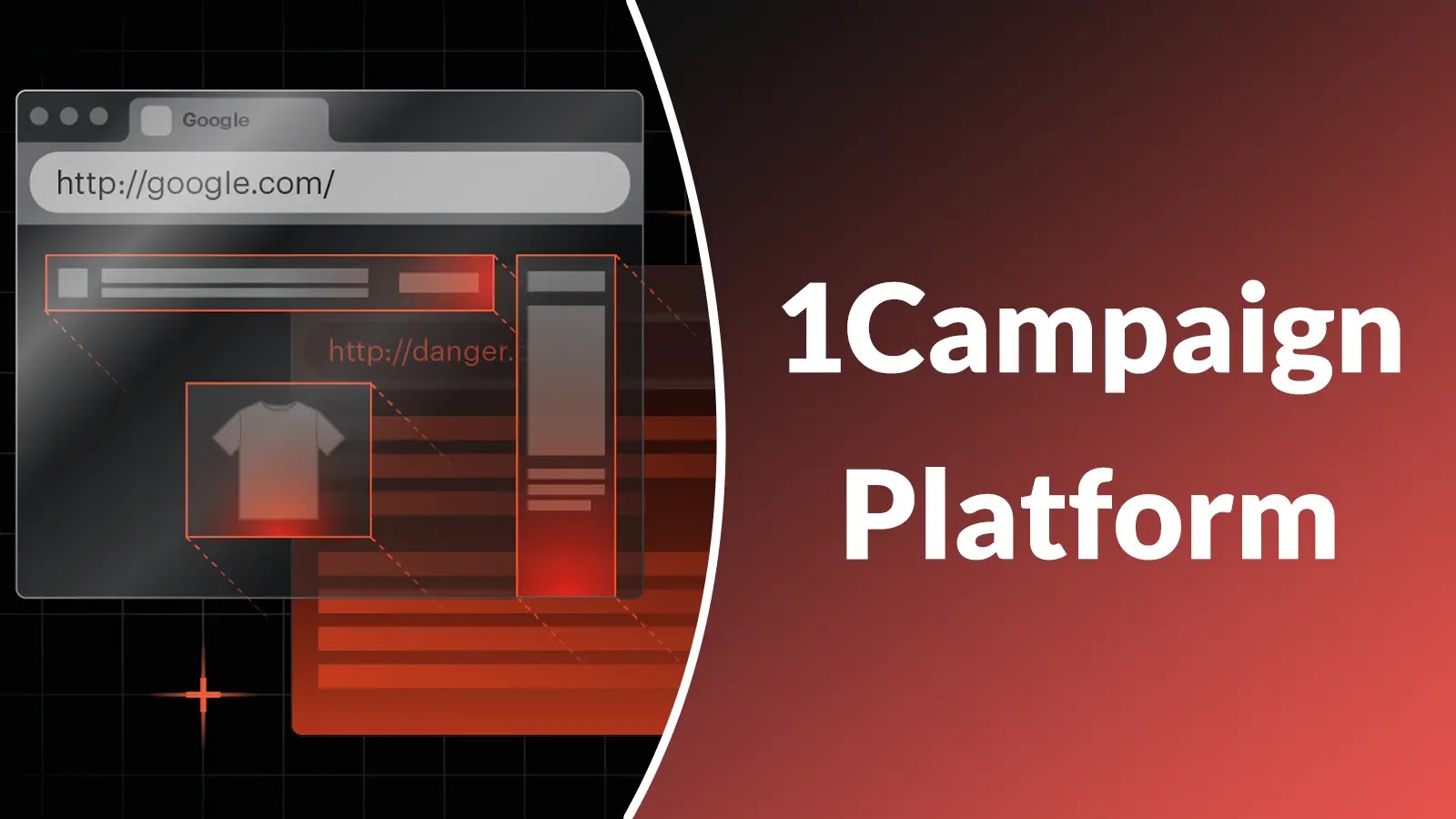
The 1Campaign platform is a prime example of an advanced cloaking service designed to facilitate ad fraud. Its primary function is to serve different content to different viewers based on specific criteria. In this malicious context, 1Campaign presents Google’s ad reviewers with benign, compliant advertisements during the screening process. Once approved, however, the platform switches the content shown to actual users, displaying highly deceptive and harmful ads.
This bypass mechanism undermines the fundamental trust users place in Google Ads. Attackers leverage this stealth technique to propagate campaigns promoting fake cryptocurrency exchanges, misleading software downloads, and various phishing attempts designed to harvest sensitive personal and financial information. The sophistication lies in the platform’s ability to identify and differentiate between automated ad review bots and genuine human users, ensuring the malicious content is only revealed at the point of maximum impact.
The Mechanics of Malicious Ad Cloaking
- Reviewer Detection: 1Campaign incorporates advanced logic to detect if the viewer is a Google Ads reviewer or an automated bot. This often involves checking IP addresses, user-agent strings, browser characteristics, and geographic locations.
- Dynamic Content Switching: If the platform identifies a reviewer, it displays legitimate, Google-compliant advertising copy. This allows the malicious ad to successfully pass the initial screening.
- Payload Delivery: Once the ad is live and presented to an ordinary user, the cloaking mechanism redirects them to a malicious landing page. These pages are often meticulously crafted to mimic legitimate services, such as popular cryptocurrency platforms or software providers, to trick users into divulging credentials or installing malware.
- Evading Detection: The dynamic nature of 1Campaign makes it challenging for conventional ad screening tools to consistently detect and block these ads, as the malicious content is only briefly active or shown under very specific conditions.
The Impact on Users and Digital Trust
The rise of platforms like 1Campaign erodes trust not only in advertising networks but in the broader digital ecosystem. Users, accustom to the safety promised by prominent platforms, are increasingly vulnerable to sophisticated social engineering attacks stemming directly from their search results. This can lead to:
- Financial Loss: Victims may lose significant amounts of money through cryptocurrency wallet theft, fraudulent investments, or unauthorized transactions after falling for phishing scams.
- Data Breach: Providing credentials to fake login pages can result in account compromise across various services.
- Malware Infection: Downloading “software updates” or “utilities” from malicious ads can lead to the installation of spyware, ransomware, or other harmful payloads.
- Erosion of Confidence: Repeated encounters with malicious ads can diminish a user’s confidence in online advertising and search results, impacting legitimate businesses and services.
Remediation Actions and Protective Measures
While Google continues to enhance its detection mechanisms, users and organizations play a critical role in mitigating the risks posed by malicious ad campaigns:
- Ad Blockers: Employ reputable ad-blocking browser extensions. While not foolproof against all cloaking techniques, they significantly reduce exposure.
- Critical Verification: Always scrutinize the URL before interacting with any website, especially those where personal or financial information is requested. Check for correct spelling, HTTPS, and domain authenticity.
- Multi-Factor Authentication (MFA): Enable MFA on all critical accounts, particularly for cryptocurrency exchanges and financial services. This adds a crucial layer of security, even if credentials are compromised.
- Antivirus and Anti-Malware Software: Keep security software updated and perform regular scans to detect and remove potential threats.
- Browser Security Features: Utilize built-in browser security features that warn about known malicious sites.
- Educate Yourself: Stay informed about common phishing tactics and social engineering techniques. Organizations should conduct regular security awareness training for employees.
- Report Suspicious Ads: If you encounter a suspicious ad on Google or any other platform, report it immediately to help the platform providers improve their detection algorithms.
There isn’t a specific CVE for the 1Campaign platform itself, as it’s a service rather than a software vulnerability. However, the techniques it leverages can facilitate attacks related to various broader categories of vulnerabilities, such as those that might be exploited via a compromised browser or social engineering. For related information on web-based vulnerabilities and phishing, security professionals often refer to resources like the OWASP Foundation’s Top 10 Web Application Security Risks.
Tools for Detection and Mitigation
While 1Campaign specifically works to bypass ad screening, the broader threats it enables can be addressed with various cybersecurity tools:
| Tool Name | Purpose | Link |
|---|---|---|
| UBlock Origin | General-purpose ad blocker that also blocks many malicious scripts and trackers. | https://ublockorigin.com/ |
| PhishTank | Community-based clearinghouse for data about phishing URLs. Helps identify known phishing sites. | https://www.phishtank.com/ |
| VirusTotal | Analyzes suspicious files and URLs to detect malware, viruses, and other types of malicious content. | https://www.virustotal.com/ |
| OpenDNS (Cisco Umbrella) | Provides DNS-layer security to block access to known malicious domains. | https://umbrella.cisco.com/ |
| Web of Trust (WOT) | Browser extension that shows website safety ratings based on user reviews and technical data. | https://www.mywot.com/ |
Conclusion
The emergence of the 1Campaign platform underscores a critical shift in the threat landscape: attackers are increasingly focusing on bypassing established trust mechanisms within popular platforms. By enabling malicious actors to circumvent Google’s rigorous ad screening, 1Campaign directly exposes users to highly targeted phishing, malware, and cryptocurrency theft scams. Vigilance, critical thinking, and the adoption of robust cybersecurity practices are more essential than ever for navigating the complexities of the digital world safely. Stay informed, stay skeptical of unsolicited offers, and always verify before you click.