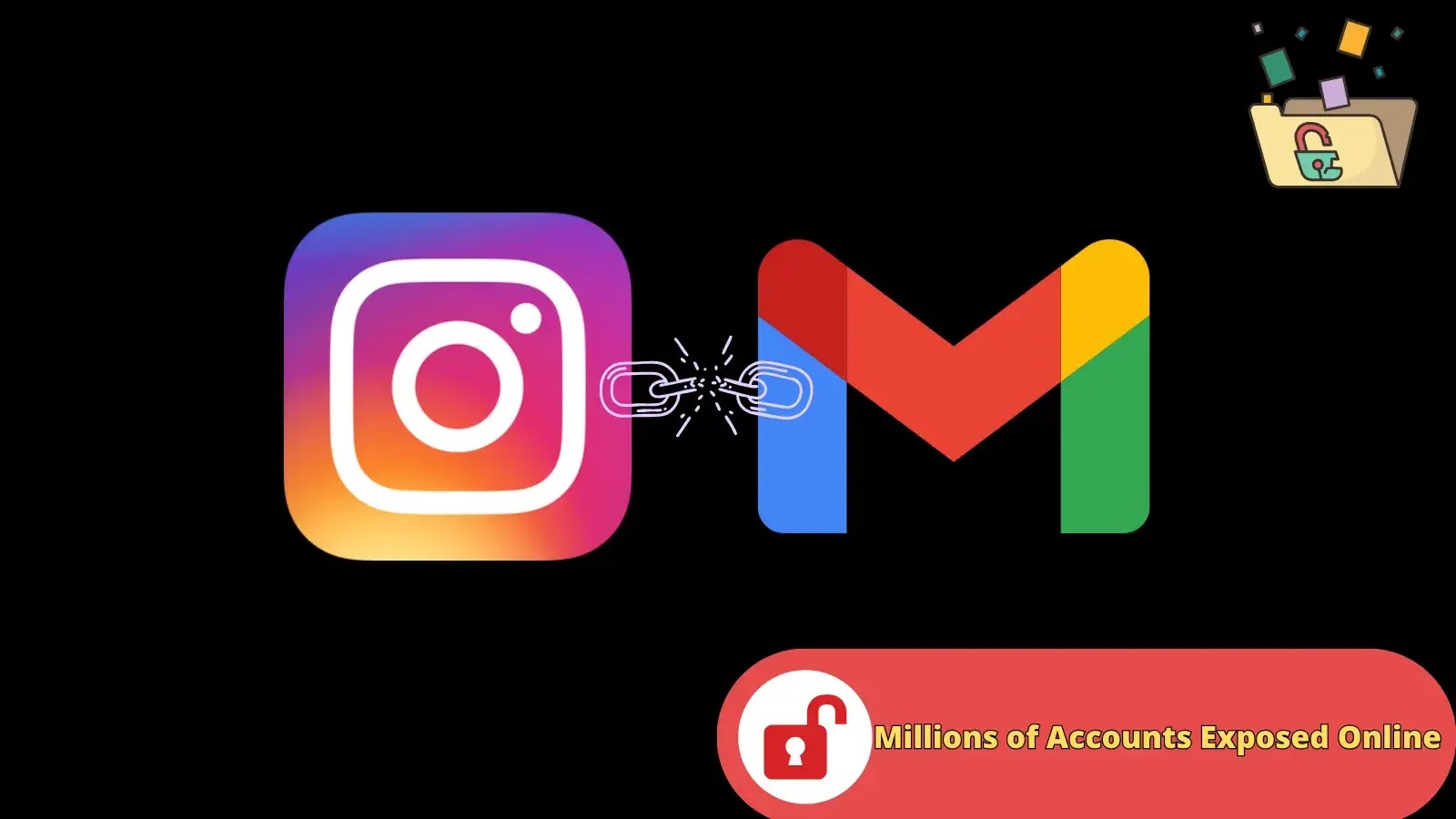
48M Gmail, 6.5M Instagram Exposed Online From Unprotected Database
Millions of Credentials Exposed: A Deep Dive into the Unprotected Database Breach
A staggering 149 million login credentials, including a significant 48 million Gmail and 6.5 million Instagram accounts, were recently discovered exposed online. This massive data leak stems from an unsecured database, left wide open without even basic password protection or encryption. Such an oversight presents an immediate and severe security risk to countless individuals worldwide, impacting not just email and social media but also platforms like Facebook, Netflix, and a myriad of other online services.
The Anatomy of the Breach: Unprotected Data and Infostealer Malware
The publicly accessible database contained precisely 149,404,754 unique combinations of usernames and passwords. This colossal trove of sensitive information wasn’t randomly compiled; it was meticulously harvested. The primary culprits behind this data collection were infostealer malware and keylogging software. These malicious tools are designed to surreptitiously capture user inputs and system data, often without the victim’s knowledge.
What makes this particular exposure so alarming is the complete lack of protective measures on the database itself. Imagine a vault full of valuables left with its doors ajar in a public square. This database, containing the digital keys to millions of online lives, was similarly exposed, making it an easy target for anyone with minimal technical know-how to access and exploit.
Beyond Gmail and Instagram: The Widespread Impact
While the headlines highlight the dramatic numbers for Gmail and Instagram, the incident’s scope extends far beyond these two platforms. The 149 million records represent logins for “thousands of other platforms worldwide.” This broad impact underscores a critical vulnerability: users often reuse passwords across multiple services. A compromised credential from one platform can therefore serve as a master key to unlock an entire digital life.
The exposure of these credentials facilitates various cybercriminal activities, including identity theft, financial fraud, account takeovers, and sophisticated phishing campaigns. Attackers can leverage this data to gain unauthorized access, extract further personal information, and inflict significant damage on individuals and organizations.
Remediation Actions: Fortifying Your Digital Defenses
Given the pervasive nature of such breaches, proactive measures are paramount. Here’s actionable advice to mitigate your risk:
- Implement Strong, Unique Passwords: Never reuse passwords across different accounts. Use a combination of uppercase and lowercase letters, numbers, and symbols.
- Enable Multi-Factor Authentication (MFA): Where available, activate MFA for all your critical accounts (email, social media, banking, etc.). This adds an essential layer of security, requiring a second form of verification even if your password is compromised.
- Utilize a Password Manager: Password managers securely store and generate complex, unique passwords for all your accounts, simplifying security without memorization.
- Be Vigilant Against Phishing: Remain skeptical of unsolicited emails, messages, or calls asking for personal information or login credentials. Always verify the sender and the legitimacy of links before clicking.
- Regularly Monitor Account Activity: Keep an eye on your account statements, credit reports, and login activity for any suspicious behavior.
- Keep Software Updated: Ensure your operating systems, browsers, and security software are always up to date. Updates often include patches for newly discovered vulnerabilities, such as those exploited by infostealer malware.
- Consider Identity Theft Protection Services: These services can alert you to potential identity theft or fraudulent activity involving your personal information.
Tools for Detection and Mitigation
While this incident highlights a database exposure and not a specific software vulnerability with a CVE, understanding the tools that help in maintaining online security is crucial. These tools aid in detection of compromised credentials and fortifying defenses against such data harvesting techniques.
| Tool Name | Purpose | Link |
|---|---|---|
| Have I Been Pwned? | Checks if your email address or phone number has been compromised in data breaches. | https://haveibeenpwned.com/ |
| LastPass / 1Password / Dashlane | Password Managers: Generate, store, and manage strong, unique passwords securely. | https://www.lastpass.com/ / https://1password.com/ / https://www.dashlane.com/ |
| Malwarebytes / Bitdefender | Endpoint Protection: Detects and removes infostealer malware and keyloggers. | https://www.malwarebytes.com/ / https://www.bitdefender.com/ |
| Google Password Checkup | Identifies weak or reused passwords stored in your Google Account. | https://passwords.google.com/ |
Protecting Your Digital Footprint
The exposure of nearly 150 million login credentials serves as a stark reminder of the persistent threats in the digital landscape. From infostealer malware to negligently secured databases, the pathways for personal data compromise are numerous. Prioritizing strong, unique passwords, activating multi-factor authentication, and remaining vigilant against social engineering tactics are not merely recommendations; they are essential practices for maintaining personal and organizational cybersecurity in an interconnected world.