5 Best Infrastructure as Code (IaC) Vulnerability Scanning Tools in 2026
The rapid adoption of Infrastructure as Code (IaC) has revolutionized how organizations deploy and manage their cloud environments. Empowering teams with unprecedented automation and scalability, IaC streamlines infrastructure provisioning and enhances agility. However, this transformative approach also introduces a new attack surface. Misconfigurations and vulnerabilities embedded within IaC templates pose significant risks, serving as prime targets for malicious actors. Securing these code-defined configurations is no longer an optional extra but a paramount necessity. This analysis delves into the critical role of specialized scanning tools, identifying the top five solutions poised to help organizations mitigate these threats effectively by 2026.
The Imperative of IaC Security
IaC shifts infrastructure management from manual processes to version-controlled code, offering consistency, repeatability, and speed. Yet, the very benefits of IaC can become liabilities if security is an afterthought. A single misconfigured template can propagate vulnerabilities across an entire cloud estate, escalating the risk exposure dramatically. Common issues include overly permissive IAM policies, unencrypted storage buckets, public-facing resources without proper access controls, and insecure network configurations. Identifying and remediating these flaws early in the development lifecycle is crucial to preventing costly breaches.
How IaC Vulnerability Scanners Work
IaC vulnerability scanning tools analyze configuration files (e.g., Terraform, CloudFormation, Kubernetes manifests, Azure Resource Manager templates) before they are deployed. They typically perform static code analysis to identify potential security misconfigurations, compliance violations, and adherence to best practices. These tools can integrate into CI/CD pipelines, providing developers with immediate feedback and enabling a “shift left” security approach where vulnerabilities are caught and corrected during the coding phase rather than post-deployment.
5 Best Infrastructure as Code (IaC) Vulnerability Scanning Tools in 2026
1. Checkov by Bridgecrew (Palo Alto Networks)
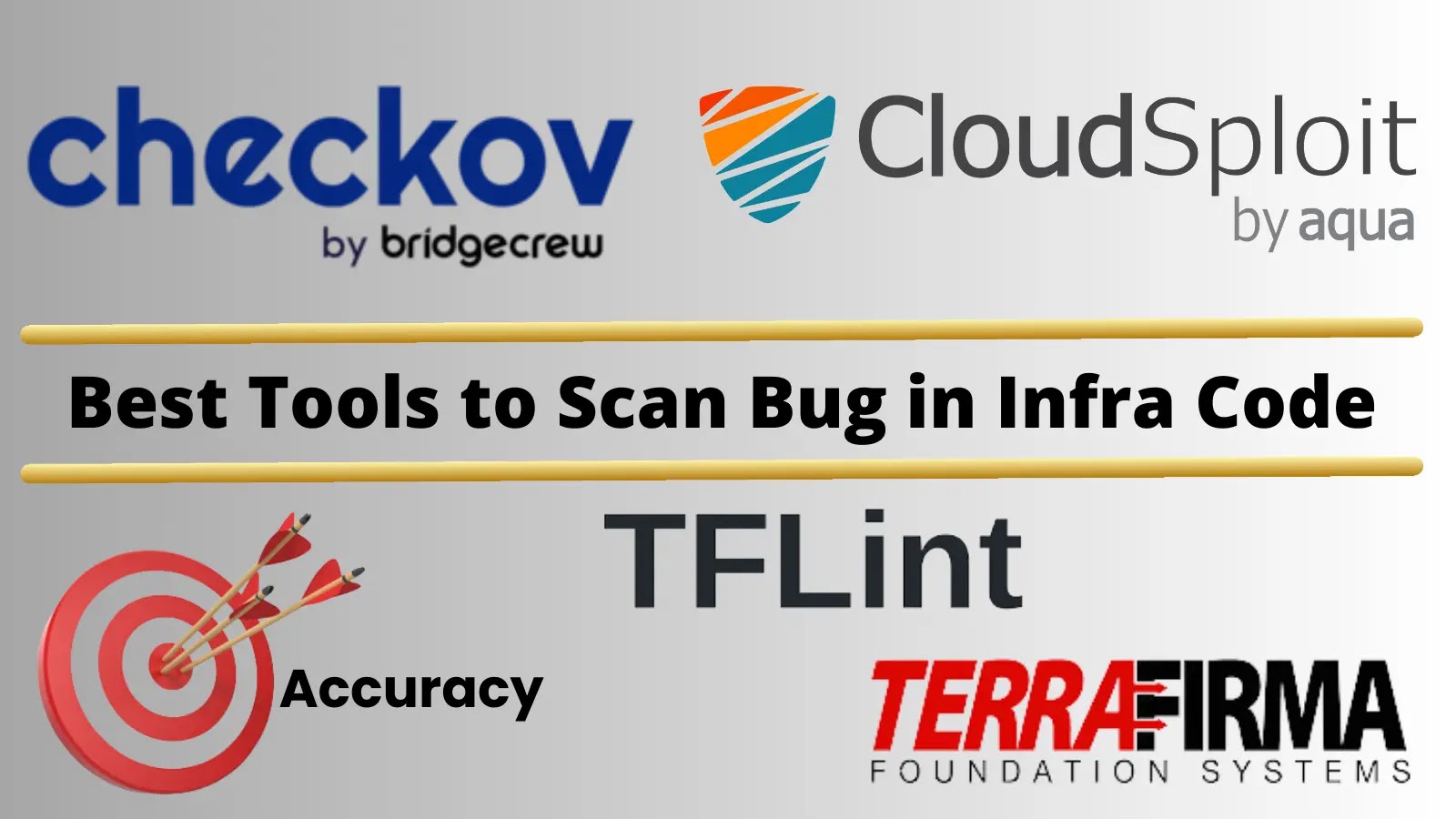
Checkov is an open-source static analysis tool designed to scan IaC frameworks for security and compliance misconfigurations. It supports a wide array of IaC types, including Terraform, CloudFormation, Azure Resource Manager, Kubernetes, and Serverless. Its strength lies in its extensive policy as code framework, allowing users to define custom security policies to address specific organizational requirements. Checkov integrates seamlessly into CI/CD pipelines and offers clear, actionable remediation guidance.
- Key Features: Broad IaC support, custom policy creation, CI/CD integration, rich policy library.
- Pros: Open-source, highly flexible, strong community support.
- Cons: Can have a learning curve for custom policy development.
2. Terrascan by Tenable
Terrascan is another powerful open-source static code analyzer that focuses primarily on Terraform. It identifies misconfigurations directly within IaC files, helping prevent vulnerabilities before infrastructure is provisioned. Terrascan provides a comprehensive set of policies covering security best practices, data protection, and compliance standards. Its native integration with multiple CI/CD platforms makes it a valuable asset for development teams looking to embed security early.
- Key Features: Terraform-focused, policy-based scanning, CI/CD pipeline integration, JSON/YAML output.
- Pros: Excellent for Terraform users, easy to integrate, active development.
- Cons: More limited in its support for other IaC frameworks compared to some alternatives.
3. KubeLinter by StackRox (Red Hat)
Specifically tailored for Kubernetes, KubeLinter is an open-source tool that analyzes Kubernetes YAML files and Helm charts for best practices and potential security issues. It helps ensure that Kubernetes deployments are secure and optimized, preventing common misconfigurations such as unprivileged containers or insecurely exposed services. KubeLinter offers a robust set of checks that can be customized to fit specific team needs.
- Key Features: Kubernetes-native, best practice enforcement, custom checks, integrates with CI/CD.
- Pros: Highly specialized for Kubernetes, improves cluster security posture.
- Cons: Only applicable to Kubernetes environments.
4. Snyk IaC
Snyk offers a comprehensive developer security platform, and its IaC scanning capability is a strong contender. Snyk IaC integrates directly into Git repositories and CI/CD pipelines, scanning Terraform, CloudFormation, Azure Resource Manager, and Kubernetes files. It identifies security misconfigurations and provides contextual, developer-friendly remediation advice, helping teams fix issues quickly. Snyk’s platform also ties IaC vulnerabilities to runtime risks, providing a more holistic view of cloud security.
- Key Features: Full platform integration (SCA, SAST), contextual remediation, broad IaC support, risk prioritization.
- Pros: Unified security platform, excellent developer experience.
- Cons: Commercial solution, potentially higher cost.
5. Accurics (Now part of Tenable)
Accurics, recently acquired by Tenable, specializes in preventing cloud native breaches by securing IaC. It provides a declarative security policy engine that scans IaC for misconfigurations, compliance violations, and drifts from desired state. Accurics offers powerful capabilities for visualizing the security posture of an entire cloud environment based on IaC definitions, enhancing visibility into potential attack paths. Its focus on compliance and preventing runtime drift makes it particularly valuable for regulated industries.
- Key Features: Policy-as-code engine, compliance assurance, drift detection, visual security posture analysis.
- Pros: Strong shift-left capabilities, comprehensive compliance checks, advanced visualization.
- Cons: Commercial offering, may require more complex setup for advanced features.
Remediation Actions for IaC Vulnerabilities
- Shift Left Security: Integrate IaC scanning tools into your CI/CD pipeline. This ensures that security checks are performed automatically with every code commit, allowing developers to identify and fix issues before deployment.
- Parameterization and Templating Best Practices: Avoid hardcoding sensitive values. Utilize environment variables, secret management services (e.g., AWS Secrets Manager, Azure Key Vault, HashiCorp Vault), and secure parameter stores.
- Least Privilege Configuration: Ensure that all resources and roles defined in IaC templates adhere to the principle of least privilege. Grant only the necessary permissions required for a specific function. For instance, an S3 bucket policy might inadvertently grant public write access, leaving data exposed (e.g., similar to issues leading to CVE-2019-11252 in some cloud object storage contexts).
- Input Validation: Implement robust validation for all user-supplied inputs within IaC templates to prevent injection attacks or unintended configurations.
- Regular Audits and Reviews: Periodically review IaC templates and deployed infrastructure for drift from the intended secure state. Tools with drift detection capabilities can be invaluable here.
- Secure Default Configurations: Always override default insecure configurations with secure alternatives. For example, ensure encryption at rest and in transit is enabled for all storage and communication.
Conclusion
As organizations continue their journey into cloud-native architectures, securing Infrastructure as Code becomes an foundational element of overall cybersecurity posture. The proliferation of IaC misconfigurations presents a tangible threat, yet the robust array of scanning tools available offers powerful countermeasures. By strategically implementing one or more of these leading IaC vulnerability scanning solutions by 2026, organizations can embed security earlier in the development lifecycle, reduce their attack surface, and build cloud environments that are not only agile and scalable but also inherently secure. Prioritizing IaC security is crucial for safeguarding digital assets and maintaining operational integrity in the dynamic cloud landscape.