
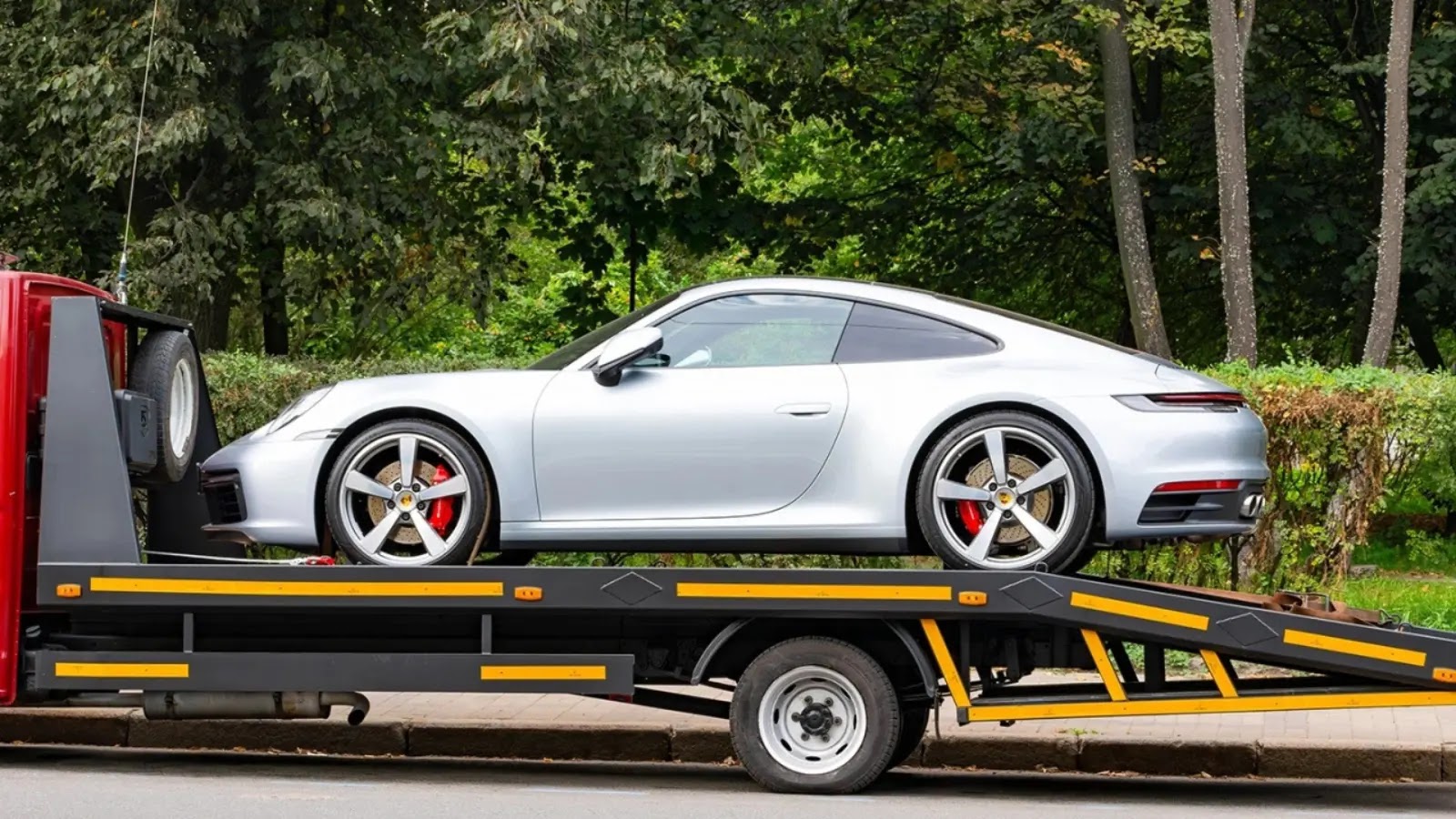
Hundreds of Porsche Cars Immobilized Following Malfunction in Installed Satellite Security System
Hundreds of Porsches Rendered Undrivable: A Satellite Security System Malfunction immobilizes Luxury Vehicles
Imagine stepping out to your high-performance luxury vehicle, only to find it completely unresponsive, a high-tech brick on wheels. This isn’t a scene from a dystopian film; it’s the stark reality faced by hundreds of Porsche owners in Russia. A widespread malfunction within the automaker’s factory-installed satellite security systems has effectively immobilized these vehicles, highlighting a critical vulnerability in increasingly connected automotive technology. This incident, first reported on November 28, underscores the profound impact a single system failure can have when critical vehicle functions are tied to external, networked services.
The Porsche Immobilization Event: What Happened?
The crisis began when a malfunction in Porsche’s integrated satellite security systems blocked satellite connectivity for numerous vehicles across Russia. The Rolf dealership network, Russia’s largest Porsche service provider, confirmed the widespread nature of the issue. This isn’t merely an inconvenience; the security system, designed to protect against theft, inadvertently became the very mechanism that rendered the vehicles inoperable. When satellite connectivity is disrupted, these sophisticated systems interpret it as a security threat or a lack of authorization, consequently preventing the car from starting or even unlocking.
The specifics of the malfunction are still under investigation, but initial reports suggest a systemic error rather than a targeted cyberattack. While no specific CVE has been assigned to this particular incident as it appears to be a system malfunction rather than a software vulnerability exploitable by malicious actors, it nonetheless serves as a potent reminder of the fragility of systems reliant on external components like satellite communication.
Beyond the Ignition: The Interconnectedness of Modern Vehicles
Modern vehicles, especially luxury brands like Porsche, are essentially computers on wheels. They integrate a vast array of sophisticated electronic control units (ECUs), sensors, and communication modules that manage everything from engine performance to infotainment, and crucially, security. The incident with Porsche vehicles illustrates a critical point: the increasing interconnectedness of these systems means that a failure in one seemingly ancillary component, like a satellite security module, can have cascading effects, impacting fundamental vehicle operations. This raises significant questions about:
- Single Points of Failure: How many critical vehicle functions rely on a single external service or component?
- Resilience and Redundancy: Are there sufficient fail-safes and alternative modes of operation when primary systems fail?
- User Control vs. System Control: To what extent can vehicle owners override or bypass system failures that render their property unusable?
Implications for Automotive Cybersecurity and Reliability
While this particular event appears to be an operational malfunction rather than a cyberattack, its implications for automotive cybersecurity are significant. It demonstrates the potential for system-wide failures to paralize fleets of vehicles. If an internal system can unintentionally cause such widespread impact, imagine the potential consequences of a malicious actor exploiting a similar vulnerability:
- Remote Immobilization: The ability to remotely disable vehicles, whether for ransom, sabotage, or political motives.
- Supply Chain Risks: Vulnerabilities within third-party components or services (like satellite providers) that compromise the entire vehicle ecosystem.
- Software Updates and Patches: The critical need for robust, secure, and well-tested over-the-air (OTA) updates to prevent introducing new vulnerabilities or escalating existing issues.
Remediation Actions and Preventative Measures
For individuals and manufacturers, this incident offers crucial lessons in managing the risks associated with highly integrated automotive systems:
For Vehicle Owners:
- Understand Your Vehicle’s Systems: Familiarize yourself with how your vehicle’s security and connectivity systems operate and any manual override options, if available.
- Regular Maintenance: Adhere to manufacturer-recommended service schedules, ensuring all software and hardware components are up-to-date.
- Emergency Contacts: Keep dealership and roadside assistance contacts readily available, especially for issues that immobilize the vehicle.
For Automotive Manufacturers:
- Robust Redundancy Planning: Implement multiple layers of redundancy for critical systems, especially those relying on external connectivity. Vehicles should have graceful degradation modes rather than complete immobilization.
- Thorough Testing: Conduct exhaustive stress testing and real-world scenario simulations for all interconnected systems, including potential satellite communication disruptions.
- Clear Communication Channels: Establish transparent and efficient communication channels with owners and dealerships during system failures.
- Security-by-Design: Integrate security considerations from the initial design phase of all components, understanding potential points of failure and malicious exploitation vectors.
- Supply Chain Security: Vet all third-party suppliers and their components to ensure they meet stringent security and reliability standards.
The Road Ahead: Securing Our Connected Future
The Porsche immobilization incident serves as a stark reminder that as vehicles become more advanced and interconnected, the attack surface grows, and the potential for disruption, whether accidental or malicious, increases. This event was a major operational issue. However, the cybersecurity community must analyze such incidents to understand the systemic vulnerabilities that could be exploited by adversaries. Ensuring the reliability and security of these complex systems is paramount, not just for the convenience of owners, but for public safety and the integrity of the transportation ecosystem itself. Manufacturers must prioritize resilience, redundancy, and robust security practices to mitigate future risks and maintain consumer trust in the era of smart, connected vehicles.




