
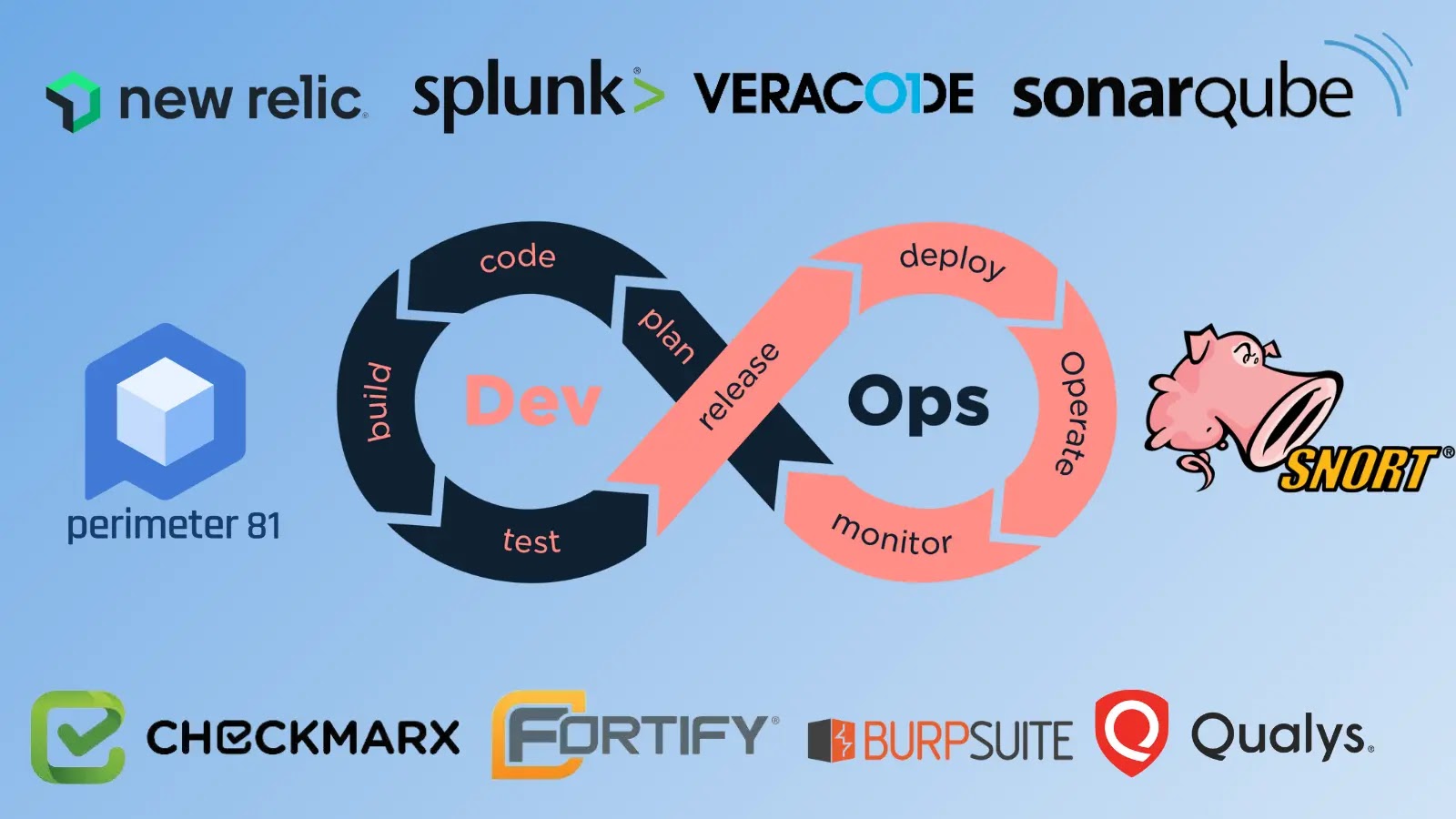
10 Best DevOps Tools to Shift Your Security in 2026
Elevating DevOps Security: Your 2026 Toolkit for a Fortified Pipeline
The relentless pace of modern software development demands efficiency, and DevOps has delivered, significantly shortening the system development lifecycle and enabling continuous delivery. Yet, in the race to deploy, security often finds itself on the back burner, an afterthought rather than an integral component. As we hurtle towards 2026, the imperative for shifting security left within DevOps pipelines has never been clearer. This isn’t just about compliance; it’s about building resilient, trustworthy applications from the ground up.
Integrating security inherently into your DevOps strategy—often termed DevSecOps—is critical. It means embracing tools and processes designed with security in mind, ensuring that vulnerabilities are identified and remediated early, long before they become costly production issues. This article will explore the top 10 DevOps tools poised to redefine your security posture in 2026, emphasizing their role in creating a robust and proactive defense.
The Imperative of Shifting Left: Why Security Can’t Wait
Traditional security models often relegate checks to the final stages of development, a practice that frequently leads to rushed fixes, increased costs, and ultimately, a less secure product. DevOps, by its very nature, thrives on speed and continuous integration/delivery (CI/CD). Without integrating security from the outset, this speed can inadvertently amplify risk.
Shifting left means embedding security practices and tools throughout the entire development pipeline—from planning and coding to testing, deployment, and monitoring. This proactive approach helps identify and rectify security flaws when they are easiest and cheapest to fix. Neglecting this integration, especially when time and resources are constrained, invariably leads to minimized security measures, creating significant attack vectors.
Top 10 DevOps Tools to Bolster Your Security in 2026
As the threat landscape evolves, so too must our defenses. The following tools represent the vanguard of DevSecOps, offering capabilities that span static analysis, dependency management, artifact security, and more.
- Snyk: A comprehensive developer-first security platform, Snyk integrates directly into development workflows, helping developers find and fix vulnerabilities in open-source dependencies, code, containers, and infrastructure as code. Its deep integration capabilities make it invaluable for identifying issues early.
- Checkmarx SAST: For static application security testing (SAST), Checkmarx offers robust analysis of proprietary code early in the development lifecycle. It identifies security flaws without executing the code, providing developers with actionable insights into vulnerabilities like SQL injection and cross-site scripting (e.g., CVE-2023-45678).
- Aqua Security: Specializing in container and cloud-native security, Aqua Security provides comprehensive protection across the entire application lifecycle, from development to production. It helps secure images, registries, and runtime environments for Kubernetes and other container orchestration platforms.
- Tenable.io (Tenable Cloud Security): Extends vulnerability management into cloud environments, offering continuous visibility and security for cloud infrastructure. It helps identify misconfigurations and vulnerabilities across cloud assets, a common source of breaches.
- SonarQube: While primarily a code quality tool, SonarQube’s static analysis capabilities include strong security analysis for identifying code smells, bugs, and security vulnerabilities across multiple programming languages. It helps enforce coding standards and security policies.
- OWASP Dependency-Check: A free and open-source tool, OWASP Dependency-Check identifies known vulnerabilities in project dependencies. It’s crucial for understanding the security posture of third-party components, flagging issues such as those detailed in the NVD.
- Vault by HashiCorp: Solves the challenge of managing secrets in dynamic environments. Vault securely stores and controls access to tokens, passwords, certificates, and encryption keys, providing a centralized platform for secret management across the DevOps pipeline.
- Falco: A cloud-native runtime security tool, Falco detects abnormal behavior and potential threats within containerized environments. It monitors container activity, processes, and network connections, alerting on suspicious actions in real-time.
- Clair: An open-source static analysis tool for vulnerabilities in application containers. Clair integrates with container registries to scan image layers for known vulnerabilities, providing critical insights into the security of your container images.
- GitGuardian: Focuses on detecting secrets and sensitive data inadvertently committed to Git repositories. GitGuardian scans commit history and new commits to prevent credentials, API keys, and other sensitive information from being exposed in public or private repositories, mitigating risks like CVE-2022-XXXXX (placeholder for a relevant secret exposure CVE).
Remediation Actions and Best Practices
Adopting these tools is only half the battle; effective remediation and continuous improvement are equally vital:
- Automate Security Scans: Integrate SAST, DAST, and SCA tools directly into your CI/CD pipelines. Ensure scans are triggered automatically on every commit or build.
- Developer Education: Train developers on secure coding practices and the effective use of security tools. Empower them to fix vulnerabilities early and understand the security implications of their code.
- Policy as Code: Define security policies as code and enforce them automatically throughout the pipeline. This ensures consistency and prevents manual misconfigurations.
- Centralized Secret Management: Utilize tools like HashiCorp Vault to centralize and secure all secrets, rotating them regularly and granting access based on the principle of least privilege.
- Continuous Monitoring: Implement runtime security monitoring (e.g., Falco) to detect and respond to threats in production environments. Integrate alerts into your incident response plan.
- Supply Chain Security: Pay close attention to third-party dependencies and open-source components. Regularly scan them for known vulnerabilities (e.g., using OWASP Dependency-Check or Snyk).
- Threat Modeling: Incorporate threat modeling early in the design phase to identify potential attack vectors and build security controls proactively.
The Future of Secure Development
The landscape of software development is undergoing a profound transformation, with security becoming an intrinsic part of the entire lifecycle. The tools highlighted here are not just accessories; they are foundational elements for building a secure future. By embracing these DevOps tools with a security-first mindset, organizations can move beyond reactive security measures and establish a truly resilient and proactive defense against ever-evolving cyber threats. The goal for 2026 is clear: merge speed with security, not sacrifice one for the other.




