
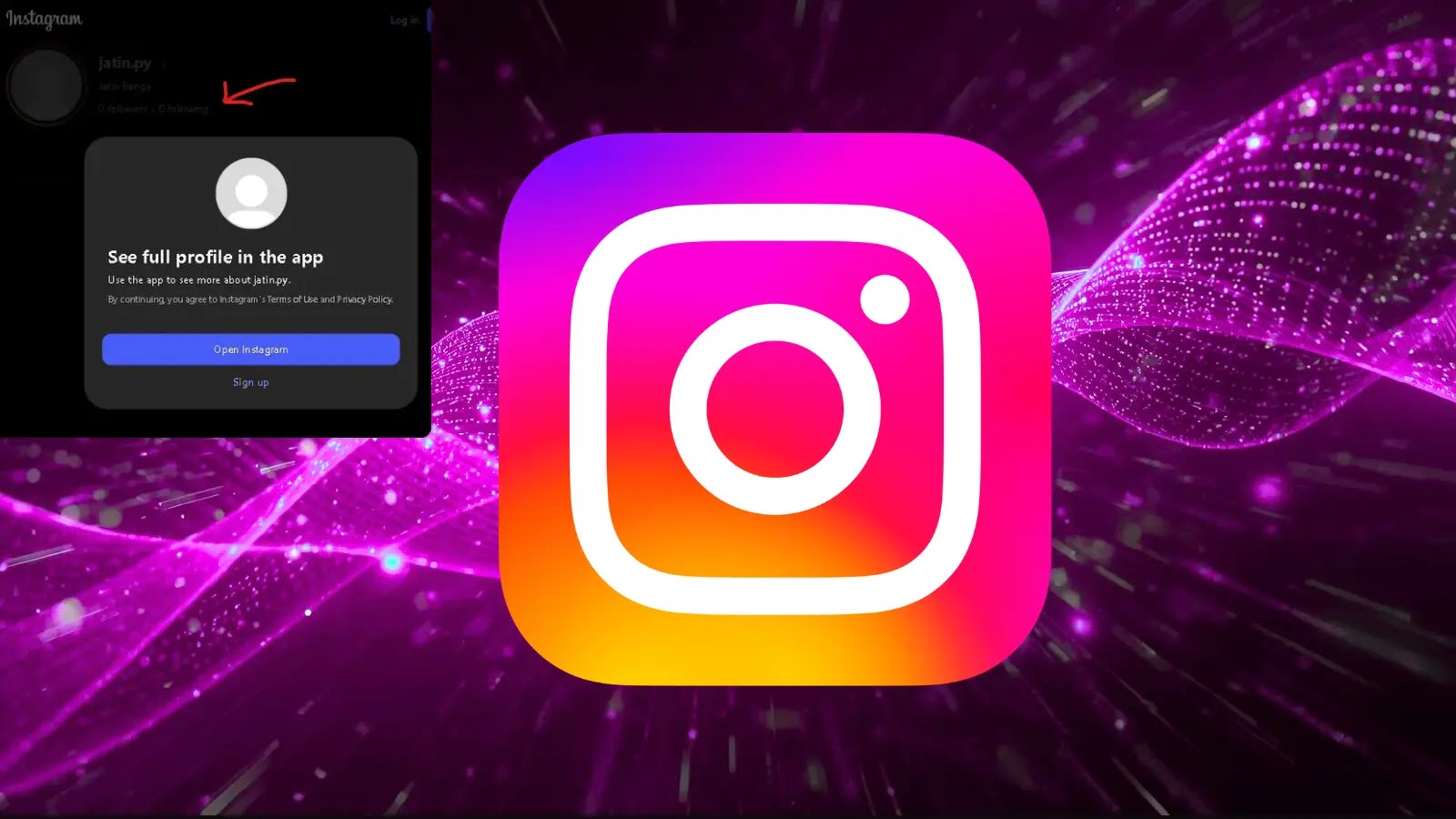
New Instagram Vulnerability Exposes Private Instagram Posts to Anyone
A disturbing revelation from recent security research highlights a significant privacy concern for Instagram users. A critical server-side vulnerability in Instagram’s infrastructure allowed unauthorized access to private photos and captions, bypassing standard authentication and follower restrictions. This security lapse underscores the constant vigilance required in safeguarding digital privacy, even on platforms as ubiquitous as Instagram.
The Instagram Private Post Vulnerability: A Deep Dive
Security researcher Jatin Banga recently disclosed a critical server-side vulnerability that exposed private Instagram content. This flaw, discovered within Instagram’s core infrastructure, permitted unauthenticated attackers to view private photos and accompanying captions without possessing a login or an existing follower relationship with the target account. The vulnerability reportedly hinged on a specific configuration of HTTP headers, allowing an attacker to craft requests that would bypass Instagram’s access controls.
While a specific CVE-2025-XXXXX number has not yet been publicly assigned to this vulnerability (as the patching occurred in October 2025, which is a future date according to the source, implying a typo in the original disclosure by Cyber Security News. For this discussion, we’ll operate under the assumption that the 2025 date is a placeholder for a recent, but undated, patch), its severity is undeniable. The ability for an unauthenticated individual to access private content undermines the fundamental promise of privacy on the platform.
How the Vulnerability Operated
The core of this vulnerability lay in a misconfiguration or oversight within Instagram’s server-side logic. By manipulating HTTP headers in a specific way, an attacker could trick the server into treating their request as legitimate, even without proper authentication or authorization. This effectively circumvented the checks designed to ensure that only approved followers could view private profiles and their content.
- Unauthenticated Access: Attackers did not require any form of login credentials.
- No Follower Relationship Needed: The vulnerability bypassed the requirement to be an approved follower of the private account.
- HTTP Header Manipulation: The exploitation method was rooted in cleverly crafted HTTP requests.
- Server-Side Flaw: This was not a client-side vulnerability, meaning user actions couldn’t mitigate it directly.
The Impact: Undermining User Trust
The implications of such a vulnerability are far-reaching. For users who deliberately set their Instagram profiles to private, the expectation of privacy is paramount. This flaw directly violated that expectation, potentially exposing sensitive personal moments, private communications through captions, and personally identifiable information to malicious actors.
Beyond individual privacy violations, such breaches erode trust in the platform itself. Users rely on companies like Meta to maintain robust security measures to protect their data. When these measures fail, even if swiftly patched, it raises questions about the overall security posture and diligence in vulnerability management.
Remediation Actions and Silent Patches
According to the disclosure, Meta (Instagram’s parent company) silently patched this vulnerability in October 2025. The term “silently patched” refers to a common practice where software vendors release a fix without a public announcement, often to prevent further exploitation before the majority of users have updated or the fix has been fully deployed. While this approach can be pragmatic in some scenarios, it also leaves users unaware of past risks and unable to take immediate preventative action.
For Instagram users, direct remediation actions are limited since the flaw was server-side and has reportedly been patched. However, the incident serves as a crucial reminder for good cybersecurity hygiene:
- Review Privacy Settings: Regularly check and understand the privacy settings on all social media platforms.
- Exercise Caution: Be mindful of what is shared online, even on private profiles, as vulnerabilities can arise.
- Stay Informed: Follow reputable cybersecurity news sources for updates on platform-specific vulnerabilities.
- Strong Passwords and 2FA: While not directly preventing this server-side flaw, strong, unique passwords and two-factor authentication (2FA) remain essential defenses against account takeovers from other attack vectors.
Detection and Mitigation Tools
While this particular vulnerability was server-side and patched by Instagram, understanding the types of tools used for detecting and mitigating similar web application vulnerabilities is crucial for developers and security professionals. These tools help identify misconfigurations, insecure coding practices, and other flaws before they can be exploited.
| Tool Name | Purpose | Link |
|---|---|---|
| OWASP ZAP (Zed Attack Proxy) | Comprehensive web application security scanner for identifying various vulnerabilities, including misconfigurations and header issues. | https://www.zaproxy.org/ |
| Burp Suite Community/Pro | Integrated platform for performing security testing of web applications, offering robust proxy, scanner, and intruder tools. | https://portswigger.net/burp |
| Nessus | Vulnerability scanner that identifies various security weaknesses in systems and applications, often including web server misconfigurations. | https://www.tenable.com/products/nessus |
| Acunetix | Automated web application security scanner designed to detect a wide range of vulnerabilities, including server-side flaws. | https://www.acunetix.com/ |
Looking Ahead: The Continuous Battle for Privacy
This Instagram vulnerability serves as a stark reminder that even the most widely used platforms are not immune to critical security flaws. The incident underscores the perpetual arms race between attackers seeking to exploit weaknesses and security teams striving to protect user data. For users, maintaining a healthy skepticism about online privacy and practicing good digital hygiene remains the best defense. For platform providers, continuous security audits, prompt patching, and transparent communication are indispensable for building and maintaining user trust in an increasingly interconnected and vulnerable digital landscape.




