
Cybersecurity Metrics: What Should You Track?
Cybersecurity Metrics What Should you Track Every Team Needs: Key KPIs & Security Metrics
In today’s digital landscape, understanding and utilizing cybersecurity metrics is essential for maintaining a robust security posture against evolving security threats. Cybersecurity metrics and KPIs offer quantifiable insights into the effectiveness of an organization’s security measures, enabling security teams to identify vulnerabilities, prioritize resources, and improve overall security. This article will explore the different facets of cybersecurity metrics, their importance, and the types of key performance indicators every team should consider tracking to enhance their cyber defenses.
Understanding Cybersecurity Metrics

Definition of Cybersecurity Metrics
Cybersecurity metrics are quantifiable measurements used to evaluate the effectiveness of security controls and the overall security posture of an organization. These security metrics help security teams monitor the performance of their security program, identify areas of improvement, and make data-driven decisions. A cybersecurity metric should be clear, measurable, and aligned with the organization’s security policies and cybersecurity strategy. The right metrics provide a snapshot of the organization’s security efforts and can be used to communicate the value of security investment to board members and other stakeholders.
Importance of Metrics in Cybersecurity
The importance of cybersecurity metrics in today’s threat landscape cannot be overstated. Metrics provide a clear understanding of the organization’s security posture, enabling informed decisions about resource allocation and risk management. Effective metrics help security teams identify and prioritize vulnerabilities, improve incident response times, and enhance security awareness among employees. Furthermore, key cybersecurity metrics play a vital role in assessing the overall effectiveness of security measures. Cybersecurity metrics and KPIs are essential for demonstrating compliance with industry regulations and standards, particularly those outlined by NIST cybersecurity guidelines., ensuring that the organization is meeting its legal and ethical obligations. Ultimately, metrics help organizations to proactively manage cyber threats and reduce the risk of a data breach through effective vulnerability management programs.
Types of Cybersecurity Metrics
There are several types of cybersecurity metrics that security teams should consider tracking. These include metrics related to:
- Vulnerability management, such as the number of vulnerabilities identified and the time it takes to patch them.
- Incident response, such as the number of security incidents and the mean time to detect (MTTD) and resolve incidents, is a critical component of the cybersecurity framework.
- Security awareness, such as the percentage of employees who have completed security awareness training.
Compliance metrics, such as the number of security policies in place and the percentage of systems compliant with those policies, are also crucial. Metrics related to the effectiveness of security tools and the overall security ratings of the organization provide a comprehensive view of the cybersecurity posture. These metrics help organizations identify areas for improvement and demonstrate the value of their security investment.
Key Cybersecurity KPIs to Measure
Defining Key Performance Indicators (KPIs)
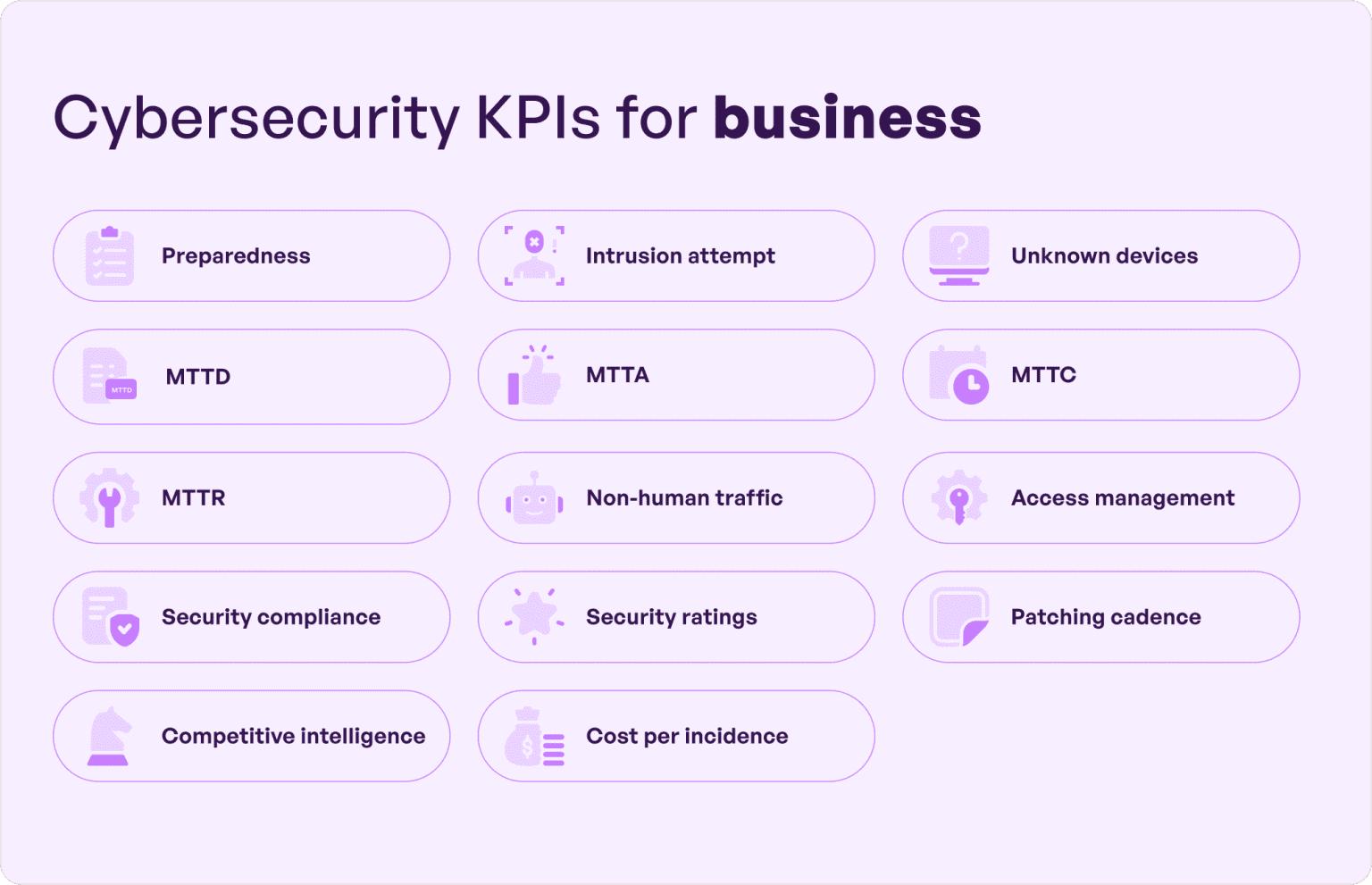
Key performance indicators (KPIs) are vital for assessing the effectiveness of cybersecurity efforts. KPIs are specific, measurable, achievable, relevant, and time-bound metrics that indicate how well an organization is achieving its key objectives related to information security and cybersecurity posture. Defining these key performance indicators involves aligning them with the overall cybersecurity strategy and business goals. A well-defined cybersecurity KPI provides actionable insights, enabling the security team to monitor progress, identify areas needing improvement, and make informed decisions about security investment and resource allocation. These metrics every organization chooses should reflect its unique risk profile and operational needs, ensuring they provide relevant and valuable data.
Top KPIs for Measuring Security Posture
Several top KPIs can effectively measure security posture. These include a variety of metrics, such as:
- The number of security incidents
- Mean time to detect (MTTD)
- Time to patch vulnerabilities is a significant metric in the vulnerability management program that helps mitigate security threats.
- Compliance metrics
Vulnerability management KPIs, like the number of unpatched vulnerabilities and the average time to remediate, provide insights into the effectiveness of patch management efforts. Incident response KPIs, such as the number of security incidents successfully resolved and the average time to resolve incidents, demonstrate the security team’s efficiency in handling cyber threats. Security awareness KPIs, like the percentage of employees completing training, highlight the organization’s commitment to fostering a security-conscious culture. Choosing the right metrics helps to provide a holistic view of an organization’s security efforts.
How to Select Relevant KPIs
Selecting relevant KPIs involves understanding the organization’s security priorities and risk tolerance. Start by identifying critical assets and potential cyber threats. Then, choose cybersecurity metrics that directly measure the effectiveness of security controls in protecting these assets. Consider both proactive and reactive metrics, such as vulnerability scan frequency and incident response time, to better understand the security risk landscape. Ensure the metrics are measurable, actionable, and aligned with industry standards and compliance requirements. Regularly review and adjust key cybersecurity metrics to reflect changes in the threat landscape and business objectives. Involve board members and key stakeholders in the selection process to ensure buy-in and support for security investment. This approach helps create a focused and effective cybersecurity program.
Vulnerability Management Metrics

Understanding Vulnerability Metrics
Understanding vulnerability management metrics is crucial for assessing an organization’s cybersecurity posture. These security metrics provide insights into the effectiveness of identifying, prioritizing, and remediating vulnerabilities. A key metric is the number of identified vulnerabilities, offering a snapshot of potential weaknesses. However, simply counting vulnerabilities is not enough. Cybersecurity metrics security teams must also consider the severity of these vulnerabilities and the potential impact on sensitive data. Metrics security teams choose should align with the cybersecurity strategy, providing a clear picture of the organization’s security efforts and helping to improve the overall security.
Tracking Vulnerabilities Over Time
Tracking vulnerabilities over time is essential for measuring the effectiveness of vulnerability management efforts. Monitoring the trend of identified vulnerabilities helps the security team to understand whether the organization’s security posture is improving or deteriorating. A decrease in the number of vulnerabilities over time indicates that patch management and other security controls are effective. Conversely, an increase may signal the need for additional security investment and improved security policies. Metrics to track should include the age of vulnerabilities, as older vulnerabilities pose a greater security risk to the organization. Regular reporting and analysis of these cybersecurity metrics enable proactive risk management.
Measuring the Effectiveness of Patch Management
Measuring the effectiveness of patch management is a critical component of vulnerability management. Key performance indicators (KPIs) for patch management include the time it takes to patch vulnerabilities and the percentage of systems patched within the defined service level agreements (SLAs). The average time to remediate vulnerabilities provides insight into the security team’s efficiency and is a key cybersecurity metric for evaluating their performance. Additionally, the number of unpatched vulnerabilities and the number of systems out of compliance with security policies are essential security metrics. Monitoring these cybersecurity metrics helps to identify bottlenecks in the patch management process and ensure timely remediation of cyber threats, ultimately reducing the risk of a data breach and improving the organization’s security.
Incident Response Metrics
Mean Time to Detect Security Incidents
Mean Time to Detect (MTTD) security incidents is a crucial security metric for gauging the effectiveness of an organization’s threat detection capabilities. This metric measures the average time it takes for the security team to identify a security incident after it has occurred. A shorter MTTD indicates that the security tools and monitoring systems are efficient in detecting cyber threats promptly, reducing the potential damage. Analyzing MTTD trends over time helps the security team identify areas for improvement in their detection processes and cybersecurity posture. Reducing the mean time to detect security incidents is a key performance indicator for enhancing the overall security posture of the organization in alignment with the NIST cybersecurity framework.
Mean Time to Respond to Incidents
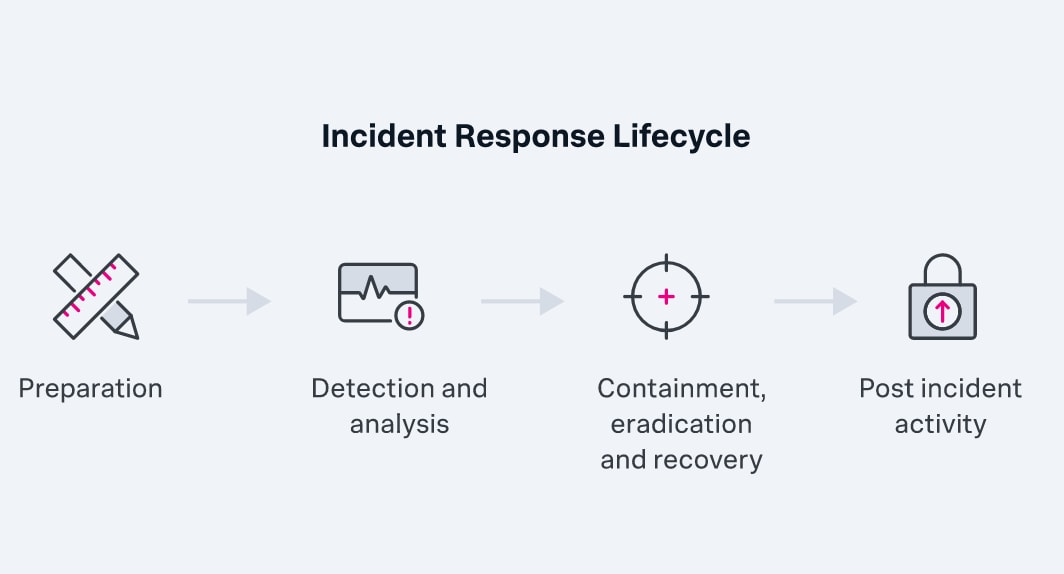
Mean Time to Respond (MTTR) to incidents is another essential security metric that measures the average time it takes for the security team to fully resolve a security incident once it has been detected. This includes the time spent on investigation, containment, remediation, and recovery. A shorter MTTR signifies that the security team is efficient in responding to cyber threats, minimizing the impact on the organization’s operations and sensitive data, which is crucial for effective vulnerability management programs. Tracking MTTR over time allows the security operations team to identify bottlenecks in the incident response process and implement improvements to enhance their response capabilities and the organization’s security.
Number of Security Incidents Over Time
Tracking the number of security incidents over time provides valuable insights into the effectiveness of an organization’s cybersecurity strategy and security measures, informing security leaders on necessary adjustments. This metric helps the security team identify trends in the types and frequency of cyber threats targeting the organization. An increase in the number of security incidents may indicate the need for additional security investment and improved security policies. Conversely, a decrease may suggest that existing security controls are effective in preventing and mitigating cyber threats. Analyzing this security metric helps in making data-driven decisions about resource allocation and risk management, ensuring the organization’s security.
Tracking Cybersecurity Metrics
Tools for Tracking Cybersecurity Metrics
Various tools are available to help security teams track cybersecurity metrics and key performance indicators (KPIs). Security information and event management (SIEM) systems, vulnerability management platforms, and security analytics tools can automate the collection, analysis, and reporting of metrics. These tools provide real-time visibility into the organization’s security posture and enable the security team to identify and respond to cyber threats more effectively. Dashboards and reporting features allow for easy monitoring of metrics and communication of security performance to board members and other stakeholders. Selecting the right security tool depends on the organization’s specific needs and security requirements.
Best Practices for Monitoring Metrics Every Team Needs
To effectively monitor cybersecurity metrics, security teams should establish clear goals and objectives, aligning them with the organization’s cybersecurity strategy. Define specific, measurable, achievable, relevant, and time-bound (SMART) security metrics. Regularly review and update the metrics to reflect changes in the threat landscape and business objectives. Automate the collection and analysis of data using appropriate security tools. Establish a reporting cadence to communicate security performance to stakeholders. Foster a data-driven culture where security decisions are based on evidence and analysis. These best practices will enable the security team to proactively manage cyber threats and improve the organization’s security posture.
Leveraging Metrics for Continuous Improvement
Leveraging cybersecurity metrics for continuous improvement involves using the insights gained from security metrics to enhance the effectiveness of security controls and processes. Analyze the trends in security metrics to identify areas needing improvement and implement corrective actions. Use metrics to measure the impact of security initiatives and demonstrate the value of security investment. Foster a culture of continuous learning and improvement, where the security team is constantly seeking ways to enhance the organization’s security. Regularly review and update security policies, procedures, and technologies based on metric-driven insights. This iterative approach will enable the organization to adapt to evolving cyber threats and maintain a strong cybersecurity posture and overall security.
Cybersecurity Metrics what should you track: 5 Surprising Facts
- Mean Time to Detect (MTTD) often matters more than prevention alone. Organizations that optimize MTTD reduce breach impact dramatically—detecting attacks quickly can cut dwell time and remediation costs more than marginal improvements in perimeter defenses.
- False positive rates can erode security posture. High-volume false positives cause alert fatigue, leading skilled analysts to miss real threats; tracking precision and analyst review time reveals operational risk that raw detection counts hide.
- Coverage gaps are measurable and actionable. Measuring inventory and telemetry coverage (percentage of assets reporting logs or endpoint agents) exposes blind spots that correlate strongly with breach likelihood.
- User behavior baselines outperform static rules in modern environments. Metrics that track deviations from individual and role-based behavioral baselines detect insider threats and account compromises more effectively than fixed signature counts.
- Security economics metrics change board priorities. Translating technical metrics into business-impact measures (likelihood-adjusted potential loss, time-to-recover cost, risk-reduction per dollar) shifts investment toward controls that reduce real risk rather than those that simply increase control counts.

What security metric should I start with to begin measuring cybersecurity?
Begin with a key metric that reflects your baseline: mean time to detect (MTTD) and mean time to respond (MTTR). These metrics to track directly measure the effectiveness of your cybersecurity monitoring and incident response, help security leaders prioritize investments, and are useful for measuring cybersecurity improvement over time. Pair them with counts of detected incidents and patch compliance to get a fuller picture of cyber security posture.
Which cybersecurity metrics and KPIs indicate the effectiveness of your cybersecurity program?
Cybersecurity metrics and KPIs that indicate effectiveness include MTTD, MTTR, patching cadence, percentage of systems with critical patches applied, user-reported phishing rates, and percentage of endpoints with up-to-date antivirus. Metrics can help your organization evaluate security strategies, demonstrate good security practices to stakeholders, and show whether proactive security measures are reducing potential security exposure.
What cyber metrics to track for vulnerability and patch management?
Track time-to-patch, percentage of unpatched critical vulnerabilities, vulnerability remediation rate, and age distribution of open vulnerabilities. These metrics remain critical for reducing attack surface and proving to security leaders that security protocols and remediation workflows are effective. They also tie into metrics that provide insight into current security gaps and potential security risks.
How can information security teams use KPIs to improve cybersecurity awareness?
Information security teams should measure cybersecurity awareness through phish-click rates, training completion rates, and simulated-phish reporting rates. Metrics like user-reported phishing and cybersecurity awareness training completion help assess whether security training translates into changed behavior, and they inform which security practices need reinforcement to create strong security culture.
What are key cybersecurity metrics that measure detection and response capabilities?
Key cybersecurity metrics for detection and response include MTTD, MTTR, false positive rate, alert-to-incident conversion rate, and analyst fatigue indicators (alerts per analyst). These metrics can help quantify cybersecurity performance, improve incident playbooks, and ensure teams can respond to security incidents quickly and effectively.
How do security leaders choose metrics that provide meaningful business context?
Security leaders should map metrics to business risk: track metrics that provide correlation to business impact, such as number of systems affected by incidents, downtime minutes, and cost per incident. Combining technical metrics with business KPIs ensures metrics can help your organization prioritize security investments and justify spending to executives while aligning security strategies with organizational objectives.
Which metrics can help demonstrate proactive security and good security hygiene?
Metrics demonstrating proactive security include percentage of assets inventoried, MFA coverage, automated backup success rate, configuration drift rate, and frequency of security assessments. Tracking these metrics can help show proactive security is reducing vulnerabilities and improving resilience, and they support metrics can help your team maintain strong security and meet compliance requirements.
How do you measure the effectiveness of your cybersecurity awareness training and security practices?
Measure training effectiveness with pre/post assessment scores, reduction in risky behaviors (phish-click rates), increase in reported suspicious activity, and time to report incidents. These metrics can help prove that cybersecurity awareness training is working, highlight areas needing reinforcement, and enable security leaders to tune security protocols and training content for better outcomes.