
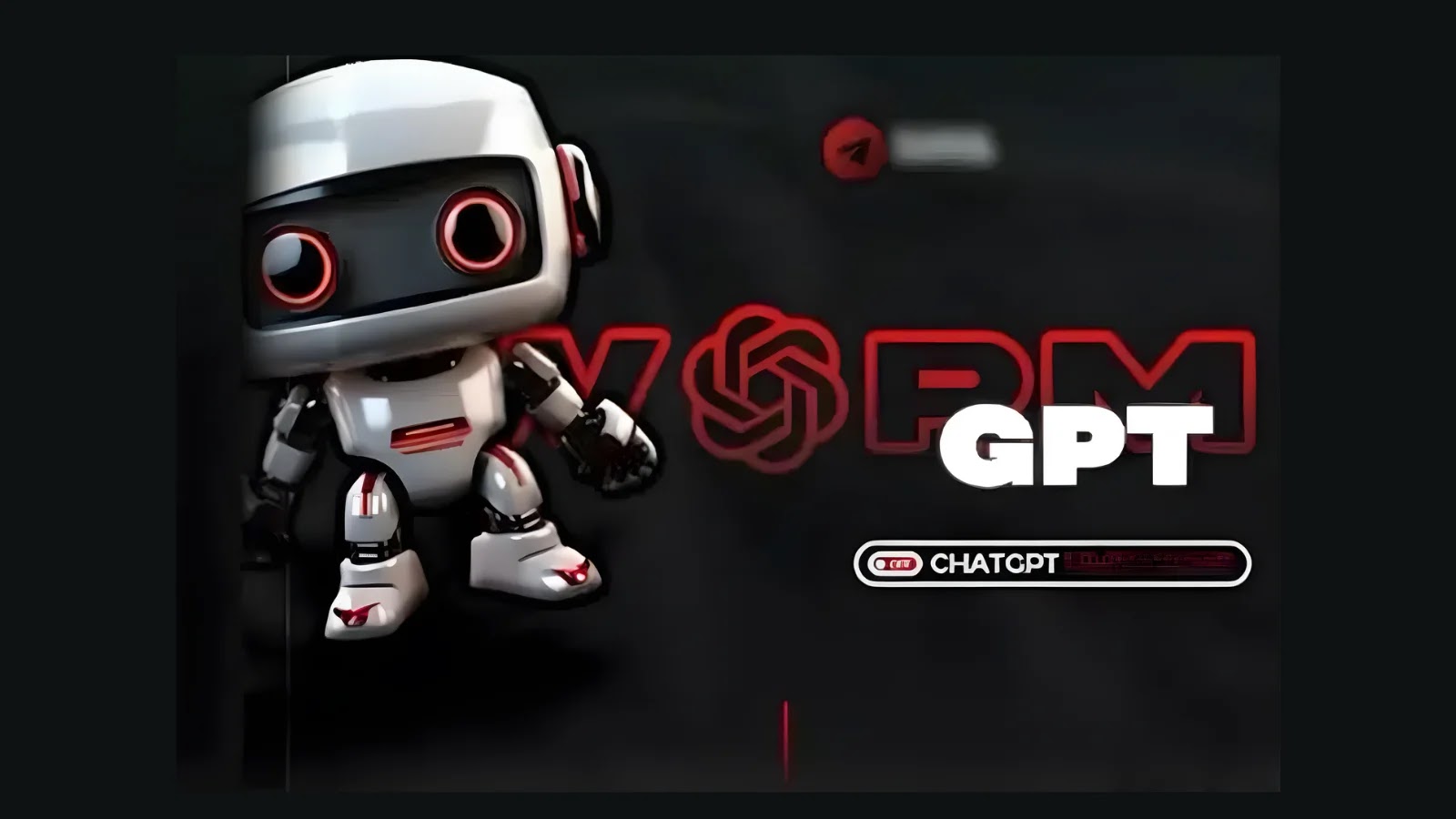
Threat Actor Claims Leak of Cybercrime-Focused AI Platform WormGPT Database
The dark underbelly of the cybercrime ecosystem just experienced a significant tremor. Reports indicate that the database of WormGPT, a notorious AI platform tailor-made for malicious activities, has allegedly been leaked. This breach, if confirmed, represents a critical blow to an infrastructure designed to empower sophisticated cyberattacks, and it offers a rare glimpse into the operational data of those who seek to exploit digital vulnerabilities.
WormGPT: An Overview of a Cybercrime Enabler
WormGPT emerged onto the dark web scene in 2023, quickly establishing itself as a go-to AI model for individuals seeking to automate and enhance their cybercriminal endeavors. Unlike legitimate large language models (LLMs) that often have built-in safeguards against misuse, WormGPT was explicitly developed without ethical constraints, making it a powerful tool for generating highly convincing phishing emails, crafting malicious code, and orchestrating targeted attacks.
Its primary appeal lay in its ability to bypass the content moderation policies present in commercially available AI systems. This allowed threat actors to leverage advanced AI capabilities for tasks such as creating realistic social engineering campaigns, developing custom malware, and even writing deceptive business email compromise (BEC) schemes. The availability of such a tool significantly lowered the bar for entry into sophisticated cybercrime, enabling individuals with limited technical skills to execute more complex attacks.
The Alleged Breach: Sythe Claims WormGPT Database Leak
A threat actor operating under the alias Sythe has claimed responsibility for compromising and leaking the complete WormGPT database. This alleged breach, observed and reported by Hackmanac, targets the very platform designed to facilitate cybercrime, turning the tables on its illicit users.
The leaked data reportedly exposes sensitive information pertaining to more than 19,000 WormGPT users. This includes critical personal identifiers such as their email addresses and user IDs. The implications of such a leak are far-reaching. For law enforcement and cybersecurity researchers, this could provide invaluable intelligence, potentially leading to the identification and apprehension of individuals engaged in cybercriminal activities.
Implications for the Cybercrime Landscape
The alleged WormGPT database leak carries significant implications for various stakeholders:
- For Threat Actors: The immediate consequence for WormGPT users is exposure. Their operational security has been compromised, potentially linking their online personas to their real identities. This could lead to increased scrutiny from law enforcement and targeted attacks from rival groups or “hacktivist” organizations. Furthermore, the loss of trust in such “secure” platforms within the dark web community could disrupt future development and adoption of similar illicit AI tools.
- For Law Enforcement: This leak presents a unique opportunity. The email addresses and user IDs can serve as crucial starting points for investigations, allowing agencies to trace individuals, uncover networks, and gather evidence for prosecution. It offers a rare chance to profile the user base of a significant cybercrime asset.
- For Cybersecurity Professionals and Defenders: While the leak does not directly impact the security of legitimate systems, it provides insights into the tools and methodologies favored by cybercriminals. Understanding who uses platforms like WormGPT and how they operate can inform defensive strategies and threat intelligence efforts. It reinforces the need for robust email security, user education against phishing, and advanced threat detection capabilities.
Remediation Actions and Proactive Defense
While this event primarily impacts the users of WormGPT, there are several general remediation actions and proactive measures that IT professionals and organizations should consider to bolster their defenses against threats enabled by such AI tools:
- Enhanced Email Security Gateway (ESG): Implement and regularly update advanced ESG solutions that leverage AI and machine learning to detect sophisticated phishing attempts, including those crafted by AI. Focus on identifying anomalies in sender reputation, email content (especially those with unusual prompts or requests), and embedded links.
- Security Awareness Training: Continuously educate employees on the latest social engineering tactics, including AI-generated deepfakes and highly convincing BEC scams. Emphasize the importance of verifying suspicious requests through alternative, trusted communication channels.
- Multi-Factor Authentication (MFA): Enforce MFA across all critical systems and accounts. Even if credentials are compromised through an AI-generated phishing attack, MFA provides an additional layer of defense.
- Threat Intelligence Integration: Subscribe to and integrate threat intelligence feeds that monitor dark web activities and emerging cybercrime tools. This can help anticipate new attack vectors facilitated by platforms like WormGPT.
- Incident Response Plan Review: Regularly review and update your incident response plan to ensure it addresses sophisticated AI-driven attacks. Practice simulated scenarios to prepare your team for potential breaches.
The WormGPT Leak: A Double-Edged Sword
The alleged leak of the WormGPT database serves as a stark reminder of the complexities of the digital underground. While it exposes the vulnerabilities even within cybercriminal ecosystems, it also highlights the growing sophistication of tools available to malicious actors. This incident offers a critical opportunity for intelligence gathering and disruption, but it concurrently underscores the urgent need for robust, proactive cybersecurity measures across all organizations.
The continuous evolution of AI in both legitimate and illicit contexts demands a dynamic and adaptive approach to cybersecurity. Staying informed about such breaches and understanding their implications is paramount for defending against the next wave of digital threats.




