
Kali Linux Integrates Claude AI for Penetration Testing via Model Context Protocol
Unveiling the Future of Penetration Testing: Kali Linux Integrates Claude AI
The landscape of cybersecurity is constantly reshaped by innovation. For penetration testers, the ability to operate with precision, speed, and intelligence is paramount. A significant leap forward in this domain has just been announced: Kali Linux, the gold standard for offensive security distributions, has officially integrated Anthropic’s Claude AI into its workflow. This transformative development promises to fundamentally alter how security professionals conduct red teaming, vulnerability assessments, and overall penetration testing operations.
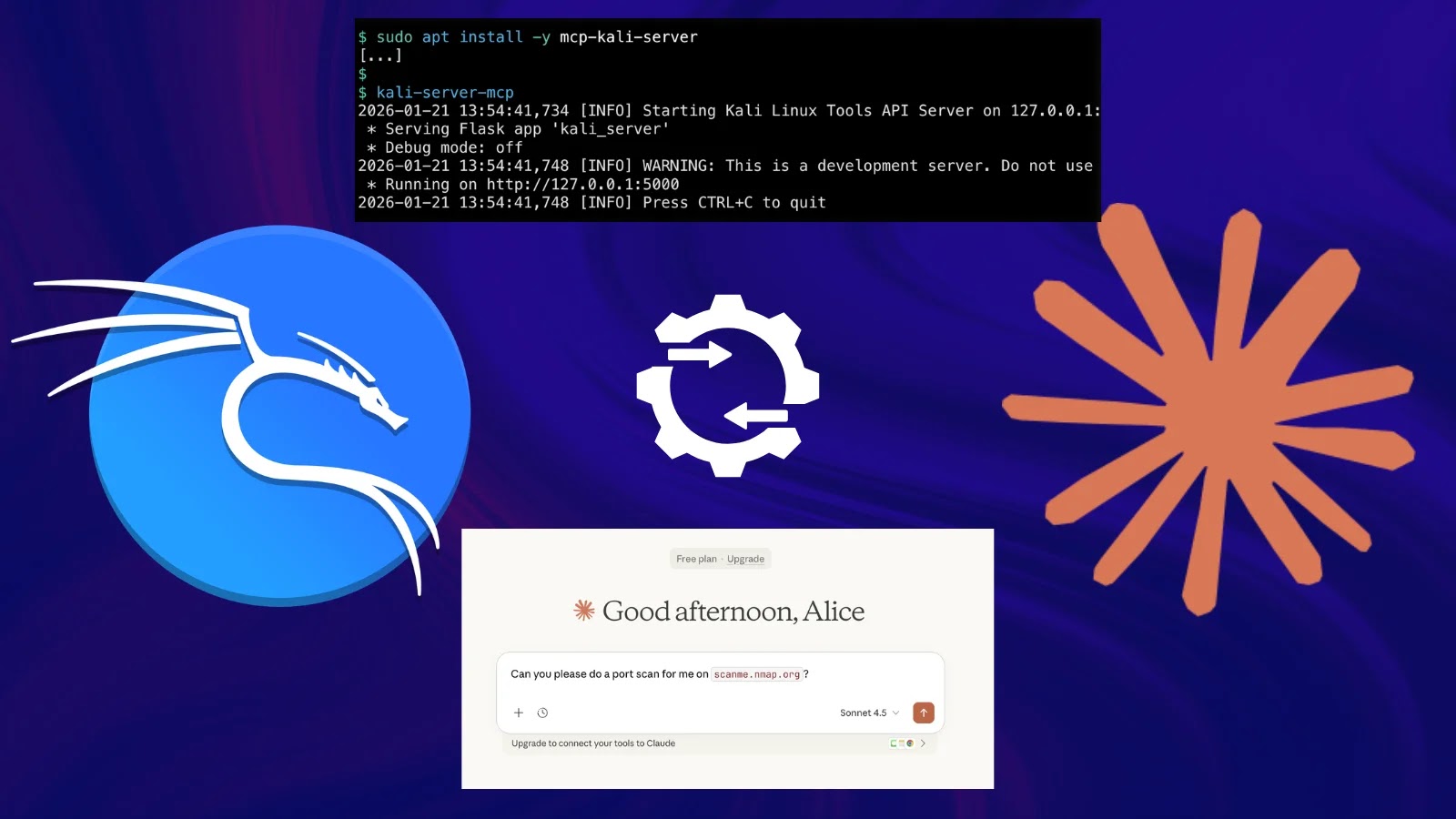
This integration introduces a native AI-assisted penetration testing workflow. Security professionals can now leverage the power of natural language commands, processed by Claude AI, which are then seamlessly translated into live terminal commands within a Kali Linux environment. The key to this groundbreaking bridge is the open-source Model Context Protocol (MCP), ensuring a robust and communicative link between the AI model and the operating system.
The Power of Natural Language: Bridging Human Intent and Machine Execution
One of the most significant bottlenecks in traditional penetration testing is the need for precise command-line syntax and an extensive recall of tooling parameters. The integration of Claude AI directly addresses this challenge. Instead of memorizing intricate commands for nmap, Metasploit, Wireshark, or Burp Suite, testers can now express their intentions in plain English. Claude AI, powered by its advanced natural language processing capabilities, interprets these requests and generates the appropriate Kali Linux commands.
This shift from syntax-driven execution to intent-driven operation empowers security analysts to focus more on strategic thinking and less on the minutiae of command construction. Imagine simply stating, “Scan the network segment 192.168.1.0/24 for open ports and services, focusing on web servers,” and having the relevant nmap commands automatically executed. This greatly reduces the learning curve for new penetration testers and significantly accelerates the productivity of seasoned professionals.
The Role of the Model Context Protocol (MCP)
The Model Context Protocol (MCP) is the unsung hero behind this integration. As an open-source solution, MCP provides the necessary framework for Claude AI to communicate effectively with the Kali Linux environment. It acts as an intermediary, translating the AI’s generated commands into actionable instructions that the operating system can understand and execute. This protocol ensures that the AI’s output is not just syntactically correct but also contextually relevant and safe within the operational environment.
The open-source nature of MCP is particularly noteworthy. It fosters transparency, collaboration, and allows the security community to scrutinize, improve, and adapt the protocol to evolving needs. This commitment to open standards reinforces Kali Linux’s foundational principles and ensures the long-term viability and security of the AI-powered workflow.
Transforming Penetration Testing Workflows
The implications of this integration for penetration testing are profound. Here’s how it’s set to transform workflows:
- Increased Efficiency: Automating command generation saves significant time, allowing testers to cover more ground in less time.
- Reduced Manual Error: AI-generated commands reduce the likelihood of typos and syntax errors that can derail testing efforts.
- Enhanced Learning: Newcomers to penetration testing can learn by observing the AI’s command generation, understanding best practices and tool usage.
- Complex Attack Chain Orchestration: Claude AI could potentially assist in orchestrating multi-stage attack chains, recommending next steps based on previous findings.
- Accessibility: Lowering the barrier to entry for complex tools makes advanced techniques more accessible to a broader range of security professionals.
Security Considerations and Best Practices
While the integration offers immense benefits, it’s crucial to approach AI-assisted penetration testing with security mindfulness. Some key considerations include:
- Trust but Verify: Always review the AI-generated commands before execution, especially in sensitive environments. Understand what the AI is suggesting and why.
- Scope Definition: Ensure AI-driven activities remain strictly within the defined scope of the engagement. Misconfigurations or misunderstandings could lead to unintended actions.
- Data Privacy: Be cognizant of any data shared with the AI model. While designed for security, ensure no sensitive client information is inadvertently exposed.
- Access Control: Implement robust authentication and authorization mechanisms for accessing the AI-powered testing environment.
- Continuous Monitoring: Monitor the actions performed by the AI to detect any anomalies or unintended consequences.
Looking Ahead: The Future of AI in Cybersecurity
The integration of Claude AI into Kali Linux is not just a feature update; it’s a paradigm shift. It represents a significant step towards a future where artificial intelligence becomes an indispensable partner in the cybersecurity arsenal. As AI models continue to evolve in sophistication and understanding, we can expect even more advanced capabilities, from automated vulnerability exploitation to proactive threat hunting and intelligent incident response.
This development underscores the importance of staying current with technological advancements in cybersecurity. Security professionals must embrace these tools, understand their capabilities and limitations, and integrate them responsibly into their practices to remain effective against an ever-evolving threat landscape.




