
PoC Released for Windows Vulnerability That Allows Attackers to Cause Unrecoverable BSOD Crashes
Critical Windows Vulnerability Uncovered: PoC Released for Unrecoverable BSODs
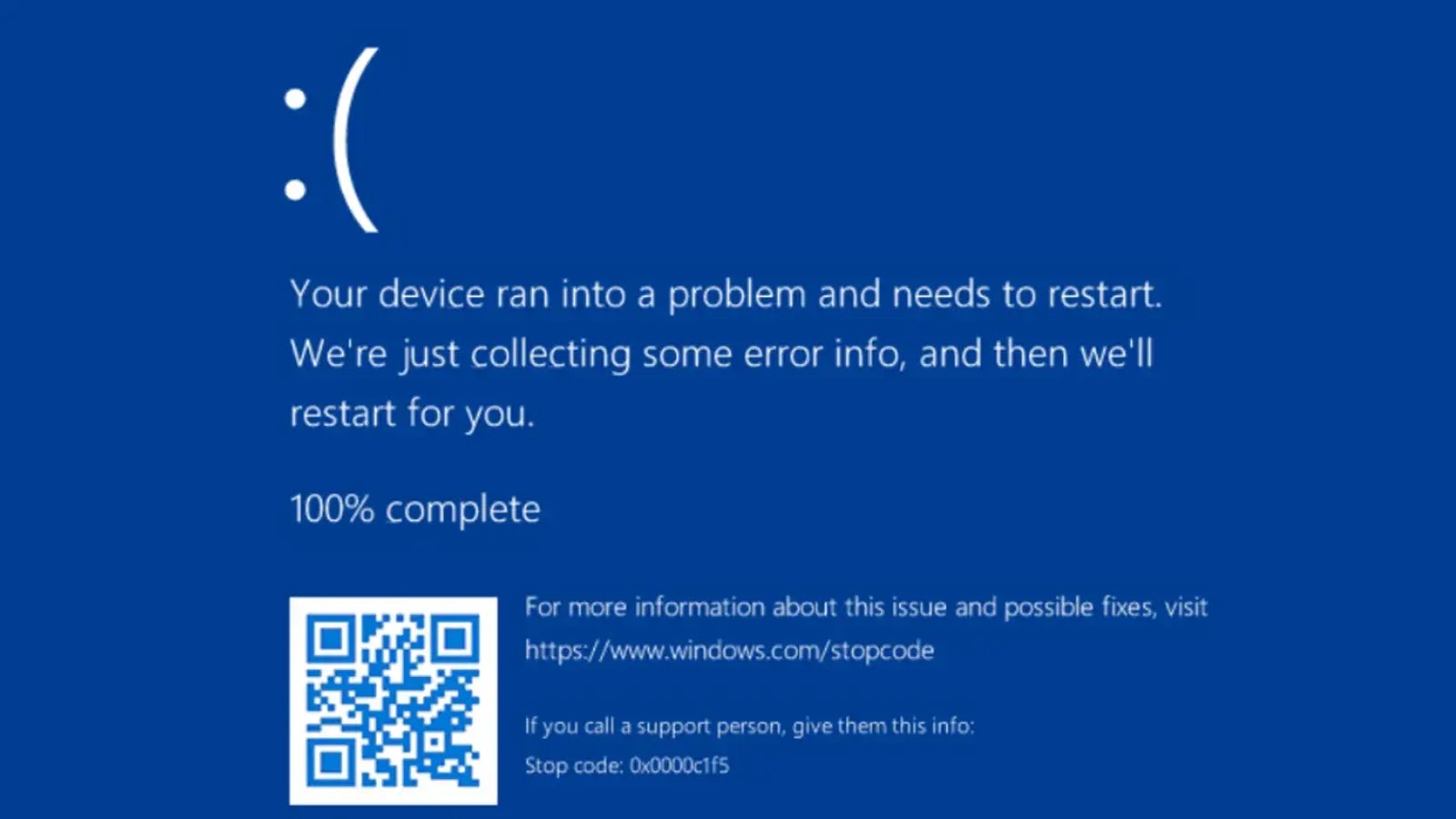
A significant cybersecurity threat has emerged for Windows users, with a publicly released proof-of-concept (PoC) exploit demonstrating a critical vulnerability in the operating system’s Common Log File System (CLFS) driver. This flaw, tracked as CVE-2026-2636, allows even a low-privileged or unprivileged user to instantly trigger an unrecoverable Blue Screen of Death (BSOD) on a target system. The implications of such a vulnerability are profound, risking system stability, data integrity, and operational continuity for individuals and organizations alike.
Understanding CVE-2026-2636 and the CLFS Driver
The vulnerability resides within the Windows CLFS driver, a core component responsible for managing log files across various system applications. Designed to ensure data journaling and recovery, the CLFS driver facilitates robust logging mechanisms. However, research by Ricardo Narvaja of Fortra, focused on CLFS-specific vulnerability research, uncovered this critical defect. The ease with which an attacker can exploit this flaw – requiring only standard user privileges – makes CVE-2026-2636 particularly concerning. A successful exploit doesn’t just crash the system; it leads to an *unrecoverable* BSOD, necessitating a hard reboot and potentially resulting in data loss for unsaved work.
The Impact of Unrecoverable BSOD Crashes
An attacker exploiting CVE-2026-2636 can cause immediate and significant disruption. For an individual, this means abrupt system halts and the potential loss of ongoing work. In enterprise environments, the impact scales dramatically. A denial-of-service (DoS) attack leveraging this vulnerability could cripple critical systems, disrupt business operations, and lead to substantial downtime. While not a remote code execution (RCE) vulnerability, the ability to reliably crash systems at will presents a powerful tool for malicious actors aiming to cause chaos or facilitate other attack vectors through system instability.
Remediation Actions
Given the severity of CVE-2026-2636 and the public availability of a PoC, immediate action is crucial. While a direct patch from Microsoft is the ultimate solution, organizations and users should implement the following:
- Monitor Official Microsoft Releases: Keep a close watch on Microsoft’s Security Update Guide for the release of a patch addressing CVE-2026-2636. Apply it as soon as it becomes available.
- Implement Least Privilege: Ensure all users operate with the absolute minimum necessary privileges. While this vulnerability impacts low-privileged users, restricting unnecessary access can limit an attacker’s lateral movement once a system is compromised.
- Endpoint Detection and Response (EDR): Deploy and maintain robust EDR solutions to monitor for suspicious activity, including attempts to interact with core system drivers in unusual ways.
- Regular Backups: Maintain regular, verified backups of all critical data. This is a fundamental security practice that helps mitigate data loss in the event of any system failure, including those caused by unrecoverable BSODs.
- Security Awareness Training: Educate users about the risks of executing untrusted code or opening suspicious files, which could potentially contain exploits for this or similar vulnerabilities.
Relevant Tools for Detection and Mitigation
While awaiting a patch, several tools can assist in maintaining system security and detecting anomalies that might indicate attempted exploitation:
| Tool Name | Purpose | Link |
|---|---|---|
| Microsoft Defender for Endpoint | Comprehensive EDR for threat detection and response. | Microsoft Link |
| Sysmon | Monitors and logs system activity, including driver loads and process creation, for forensic analysis. | Microsoft Link |
| PowerShell AppLocker/WDAC | Application whitelisting to prevent execution of unauthorized scripts and executables. | Microsoft WDAC |
| Vulnerability Scanners (e.g., Nessus, Qualys) | Identifies unpatched systems and other vulnerabilities in an environment. (Will identify the vulnerability once a detection signature is available). | Nessus |
Conclusion
The disclosure of a public PoC for CVE-2026-2636 underscores the persistent need for vigilance in cybersecurity. This Windows CLFS driver vulnerability, capable of causing unrecoverable BSODs with minimal privileges, presents a serious threat to system availability. While awaiting an official patch, implementing robust security hygiene, including least privilege, EDR solutions, and diligent monitoring, is paramount. Stay informed, stay secure, and prioritize applying security updates as they become available to protect against this and future threats.




