Cybersecurity Career Paths: Roles and Skills
Cybersecurity Career Path: Roles and Skills
In today’s interconnected world, the importance of cybersecurity cannot be overstated. A career in cybersecurity offers not only job security but also the opportunity to contribute to the protection of sensitive data and critical infrastructure while developing interests and skills in cybersecurity.. This article serves as a guide to understanding the cybersecurity career path, exploring various cybersecurity roles, necessary cybersecurity skills, and current salary trends within the cybersecurity job market. Whether you are looking to start a career in cybersecurity or are a seasoned security professional seeking to advance your career, this overview will provide valuable insights into navigating this dynamic field.
Understanding the Cybersecurity Career Path
Overview of Cybersecurity Careers
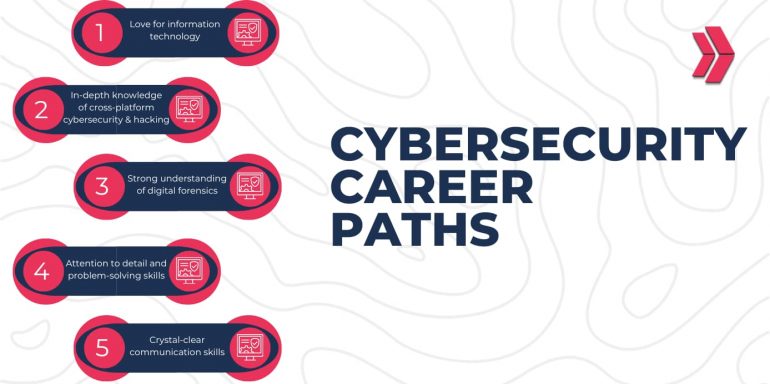
The landscape of cybersecurity careers is vast and constantly evolving. As TeamWin, a technology company specializing in advanced cybersecurity, threat detection, and secure networking solutions, understands, the demand for cybersecurity professionals has never been higher. Individuals with the right technical skills and soft skills are needed to defend against ever-evolving cyber threats. From entry-level cybersecurity positions to leadership roles such as Chief Information Security Officer (CISO), the cybersecurity career path offers a wide range of opportunities for individuals with diverse backgrounds and skill sets. The range of job roles allows a cybersecurity specialist to grow within the field by learning new cybersecurity concepts and obtaining certifications like CompTIA Security.
Importance of a Career in Cybersecurity
A career in cybersecurity is not just a job, it’s a crucial line of defense in an increasingly digital world. With cyber threats becoming more sophisticated and frequent, the need for skilled security professionals is paramount. As Teamwin Global Technologica Pvt Ltd, an IT services company specializing in empowering its clients through a comprehensive suite of IT security solutions, recognizes, safeguarding enterprise data and intellectual property is essential for maintaining business continuity and trust. The demand for cybersecurity ensures career stability, while the constant evolution of threats provides continuous learning opportunities and professional growth. A solid career in cybersecurity is important to protect business data and ensure a safe online experience.
Key Roles in Cybersecurity
Within the cybersecurity field, various key roles are essential for maintaining a robust security posture. These roles encompass a wide range of responsibilities, from identifying and mitigating vulnerabilities to responding to security incidents and developing security architecture. Teamwin Global Technologica works with clients, including CISOs, IT Directors, Network Administrators, Security Analysts, Compliance Officers, Risk Managers, CIOs, and CTOs to offer solutions. The specific roles they interact with often include:
- Security analyst
- Security engineer
- Security architect
- Penetration tester
- Incident response specialists
Each job role requires a unique set of cybersecurity skills, including technical skills related to security systems and cloud security, as well as communication skills for effective collaboration and incident reporting. Whether focusing on network security, cloud security, or security operations, each cybersecurity role contributes to the overall defense against cyber threats.
Essential Skills for Cybersecurity Professionals
Technical Skills Required
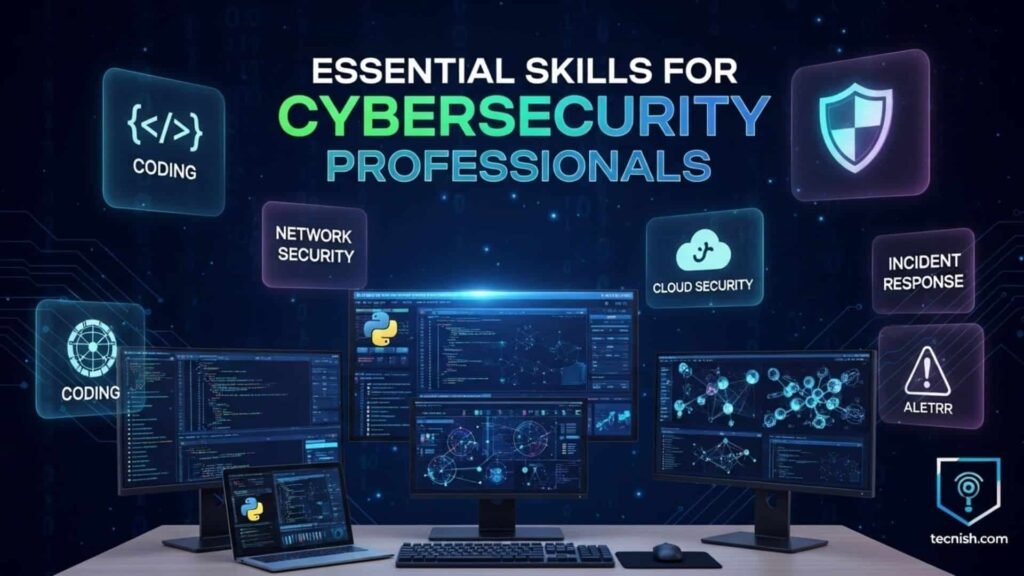
To excel in the cybersecurity field, a strong foundation of technical skills is indispensable. Aspiring cybersecurity professionals should possess expertise in areas such as network security, operating systems, and cloud security, to ensure they are well-prepared for diverse roles and responsibilities in the cybersecurity landscape. Understanding security systems, including firewalls, intrusion detection systems, and antivirus software, is crucial for identifying and mitigating vulnerabilities. Proficiency in programming languages like Python or Java can aid in developing security tools and automating security tasks. A deep understanding of security architecture principles and cryptography is essential for designing secure systems and protecting sensitive data. Continuous learning and staying updated with the latest technical skills are vital for adapting to emerging cyber threats and advancing one’s cybersecurity career path.
Soft Skills for Cybersecurity Roles
While technical skills are paramount, soft skills play an equally vital role in cybersecurity careers. Effective communication skills are essential for conveying technical information to both technical and non-technical audiences, as well as for collaborating with team members and stakeholders in the context of a cybersecurity strategy.
Problem-solving and analytical skills are necessary for identifying and addressing security incidents, while critical thinking enables cybersecurity analysts to assess risks and prioritize security measures. Strong leadership skills are valuable for those aspiring to leadership roles, such as chief information security officer. Developing and honing soft skills alongside technical skills can significantly enhance a cybersecurity professional’s effectiveness and career opportunities.
Certifications to Enhance Cybersecurity Skills
Obtaining relevant cybersecurity certifications can significantly enhance your cybersecurity skills and career prospects. Certifications such as Certified Information Systems Security Professional (CISSP) and Certified Ethical Hacker (CEH) validate your knowledge and expertise in specific areas of cybersecurity. Cloud security certifications, like the Certified Cloud Security Professional (CCSP), demonstrate proficiency in securing cloud environments. These cybersecurity certifications not only enhance your credibility but also provide valuable insights into industry best practices and standards, essential for anyone pursuing a job in cybersecurity. Pursuing relevant certifications is a strategic investment in your professional development and can open doors to more advanced cybersecurity roles and higher salary potential in the cybersecurity job market through relevant certifications like CompTIA Security.
In-Demand Cybersecurity Roles
Entry-Level Positions in Cybersecurity
For individuals looking to start a career in cybersecurity, several entry-level roles provide a solid foundation for growth and understanding of the roles and responsibilities in the field of cybersecurity. These entry-level cybersecurity positions typically require a basic understanding of network security and security systems. A common entry-level role is a security analyst, who monitors security events, analyzes potential threats, and assists in incident response. Another entry-level role is a junior security engineer, who helps implement and maintain security tools and infrastructure, laying the groundwork for a successful career in the field of cybersecurity. Certifications like CompTIA Security+ can enhance your cybersecurity skills and make you a more competitive candidate for these entry-level roles. These entry-level roles serve as stepping stones to more advanced cybersecurity careers.
Career Advancement: From Analyst to Chief Information Security Officer
The cybersecurity career path offers ample opportunities for advancement, especially for those who actively pursue relevant certifications and develop their interests and skills. A security analyst can progress through various roles, including:
- Senior security analyst
- Security engineer
- Security architect
With experience and further cybersecurity certifications, one can pursue management roles such as security manager or director of security. The pinnacle of the career path is the chief information security officer (CISO), who is responsible for overseeing the entire organization’s information security strategy. Each step up the career ladder requires a combination of technical skills, soft skills, and leadership abilities. Continuous learning and professional development are essential for career advancement in the dynamic cybersecurity field. This career in cybersecurity allows professionals to build expertise over time and reach high-level positions in cybersecurity.
Specialized Roles: Penetration Tester and Security Architect
Within the cybersecurity field, specialized roles cater to individuals with specific interests and expertise. A penetration tester, also known as an ethical hacker, assesses the security of systems and networks by simulating cyber attacks. This cybersecurity role requires in-depth knowledge of security vulnerabilities and exploitation techniques. A security architect designs and implements security architecture for organizations, ensuring that security systems align with business needs and industry best practices. Both roles demand strong technical skills, analytical abilities, and a deep understanding of cybersecurity concepts. Pursuing specialized cybersecurity certifications can further enhance your expertise and credibility in these areas and provide better career opportunities.
Salary Trends in Cybersecurity

Average Salary for Cybersecurity Jobs
The average salary for cybersecurity jobs varies significantly based on experience, location, and the specific cybersecurity role. Entry-level cybersecurity analysts can expect a competitive starting salary, while experienced security engineers and security architects command higher compensation. Chief Information Security Officers (CISOs) and other leadership positions typically earn the highest salaries. Factors such as certifications, technical skills, and soft skills can also influence salary negotiations. Staying informed about the latest salary trends in the cybersecurity job market is crucial for both job seekers and current security professionals looking to advance their careers. It’s beneficial to learn about various cybersecurity jobs and their potential earnings before selecting your cybersecurity career path.
Factors Influencing Salary in Cybersecurity
Several key factors influence the cybersecurity job salary. Technical skills and expertise in areas like cloud security, network security, and security architecture are highly valued and can lead to higher pay. Cybersecurity certifications, such as Certified Information Systems Security Professional (CISSP) and Certified Cloud Security Professional (CCSP), can also boost earning potential. The demand for cybersecurity professionals in a particular region can affect salary levels, with areas facing a shortage of security experts often offering more competitive compensation packages. A prospective cybersecurity specialist should be aware of salary ranges and adjust their demands based on relevant industry knowledge, including the potential employer’s budget.
Salary Comparison Across Different Cybersecurity Roles
Comparing salaries across different cybersecurity roles provides valuable insights into the earning potential within the cybersecurity field. An entry-level role, such as a security analyst, typically earns less than a specialized cybersecurity role like a penetration tester or a security architect, reflecting the varying roles and responsibilities in the field of cybersecurity. Cloud security engineers and security operations specialists may also command different salary levels based on the specific skills and responsibilities involved. Understanding these salary differences can help individuals make informed decisions about their career path and pursue the roles that align with their financial goals. A candidate could begin in entry-level cybersecurity and move up into cybersecurity architect positions as the opportunity arises.
Starting Your Career in Cybersecurity

Steps to Start a Career in Cybersecurity
Starting a career in cybersecurity involves several key steps. First, gain a strong foundation in technical skills by pursuing relevant education and certifications. Focus on areas such as:
- Network security
- Security systems
- Cloud security
Next, seek out entry-level cybersecurity positions like a security analyst or junior security engineer to gain practical experience. Build a cybersecurity portfolio by contributing to open-source projects, participating in capture-the-flag (CTF) competitions, and showcasing your cybersecurity skills. Develop soft skills such as communication and problem-solving. Staying informed about cybersecurity concepts and continuously learning is essential for career growth.
Building a Cybersecurity Portfolio
Building a strong cybersecurity portfolio is crucial for showcasing your cybersecurity skills and expertise to potential employers. Include projects that demonstrate your proficiency in areas like penetration testing, incident response, and security architecture. Contribute to open-source security tools or develop your own security solutions. Document your experiences and findings from security assessments and vulnerability analyses. Participate in capture-the-flag (CTF) competitions to highlight your problem-solving abilities. A well-crafted portfolio can significantly enhance your career opportunities in the competitive cybersecurity job market, enabling you to transition from entry-level cybersecurity roles to more advanced positions.
Networking and Professional Development in Cybersecurity
Networking and professional development are essential components of a successful cybersecurity career path. Attend industry conferences, workshops, and training sessions to stay updated on the latest cyber threats and security technologies. Join professional organizations like (ISC)² or ISACA to connect with other security professionals and expand your network. Participate in online forums and communities to share knowledge and learn from peers. Building relationships with experienced security professionals can provide valuable mentorship and career guidance. Continuous learning and networking can help you advance your career, improve your security skills, and make valuable connections in the cybersecurity field. TeamWin also publishes technical articles and news related to cybersecurity and networking.

What are common career pathways to start your cybersecurity and become a security analyst or security engineer?
Common career pathways begin with entry-level cybersecurity jobs such as junior security analyst, SOC (security operations center) technician, or network security assistant, laying the groundwork for a successful career in the field of cybersecurity. A combination of a degree in cybersecurity or related field, certifications like CompTIA Security+, and hands-on experience in labs or internships builds the foundation. Progression typically moves from security analyst roles into security engineer, security consultant, or security architecture positions as you gain skills and experience, problem-solving skills, and deeper knowledge of offensive security and incident response.
How do I map a career roadmap to reach roles like cybersecurity specialist or information security analyst?
Start by defining career goals and assessing interests and skills—whether you prefer defensive work (security operations center, incident response, cloud security) or offensive security (red teaming, penetration testing). Create a career roadmap that includes entry-level cybersecurity jobs, certifications (CompTIA Security+, CEH, CISSP later), and progressive hands-on experience. Seek mentorship from cybersecurity experts, contribute to open-source projects, and document skills and experience to transition into security consultant, cybersecurity specialist, or information security analyst roles.
What skills and certifications are recommended for entry-level cybersecurity and skilled cybersecurity professionals?
For entry-level cybersecurity, focus on core skills and knowledge: networking, basic scripting, threat fundamentals, and familiarity with security tools in a SOC, which are critical for understanding the roles and responsibilities in the field of cybersecurity. Certifications like CompTIA Security+ (comptia security) validate foundational knowledge; further certifications align with career pathways (e.g., Certified Ethical Hacker for offensive security or CISSP for senior roles). Employers value problem-solving skills, hands-on experience, and demonstrable projects. Skilled cybersecurity professionals also need cloud security, security architecture, and incident response capabilities to address the evolving cybersecurity landscape.
How does incident response fit into the cyber security career field and what roles involve it?
Incident response is central to many security roles: SOC analyst, incident response engineer, security consultant, and security engineer all participate in detecting, containing, and remediating incidents. Building a career in incident response requires log analysis, forensics, malware understanding, and coordination skills. Practical experience in a security operations center, tabletop exercises, and certifications or trainings focused on incident handling will prepare you for these roles and help you become one of the skilled cybersecurity professionals responding to breaches.
How can I enter the world of cybersecurity with no experience and find entry-level cybersecurity jobs?
To enter the world of cybersecurity, pursue entry-level roles, internships, or apprenticeships, study for certifications like CompTIA Security+, and build hands-on labs using cloud security tools and virtual environments. Volunteer for SOC shifts, participate in capture-the-flag events, and network with cybersecurity experts to enhance your job in cybersecurity. Emphasize transferable skills—problem-solving skills, attention to detail, and interest in the field of cybersecurity—on your resume. A focused plan for building skills and knowledge forms the backbone of a sustainable cybersecurity workforce career.