
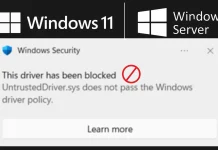
Windows 11 and Server 2025 Update to Block Untrusted Cross-Signed Kernel Drivers by Default
Kernel-level security is paramount. For years, Microsoft Windows has relied on a system of trust to ensure that only legitimate and safe drivers are loaded onto your operating system. However, as the threat landscape evolves, so too must our defenses. A significant shift is on the horizon, one that will fundamentally strengthen the security posture of Windows 11 and Windows Server 2025 by directly addressing a long-standing vulnerability in driver trust.
The Looming Change: Blocking Untrusted Cross-Signed Drivers
Microsoft is implementing a critical update that will, by default, block untrusted cross-signed kernel drivers. This isn’t just a minor tweak; it’s a strategic move to harden the Windows operating system against increasingly sophisticated kernel-level threats. The change specifically targets drivers signed by a deprecated cross-signed root program, a method that has, unfortunately, become a vector for malicious actors.
Beginning with the April 2026 update, users of Windows 11 and Windows Server 2025 will find that their systems automatically prevent the loading of these untrusted drivers. The implication is clear: only drivers that have undergone rigorous certification through modern, secure processes will be permitted to operate at the kernel level. This proactive measure aims to preemptively thwart malware and rootkits that often leverage compromised or illicitly signed drivers to gain deep system access and evade detection.
Understanding Kernel-Level Threats and Driver Signing
The operating system kernel is the core of Windows, managing the most critical functions of your computer. When malicious code gains access to the kernel, it can operate with virtually unrestricted privileges, leading to devastating consequences such as complete system compromise, data theft, and persistent infections. Kernel-level attacks are notoriously difficult to detect and remove, making prevention a top priority.
Driver signing has historically been a cornerstone of this prevention strategy. It’s a digital signature that verifies the authenticity and integrity of a device driver, confirming that it comes from a legitimate publisher and hasn’t been tampered with. The issue arises when older, less secure signing methods, such as the cross-signed root program being deprecated, are exploited. Attackers found ways to sign their malicious drivers using these legacy certificates, effectively “tricking” Windows into trusting them.
Impact on Users and Legacy Hardware
For most users, this change will be seamless and beneficial, enhancing security without noticeable disruption. However, organizations and individuals running older, specialized hardware or custom drivers that rely on the deprecated cross-signed root program will need to take action. These drivers, if not updated or re-signed through modern certification processes, will cease to function after the April 2026 deadline.
This update emphasizes the ongoing importance of maintaining up-to-date hardware and software. Vendors of legacy hardware are strongly encouraged to update their driver signing practices to comply with Microsoft’s enhanced security standards. Failure to do so could result in hardware incompatibility and operational issues for their customers.
Remediation Actions for Administrators
- Inventory Drivers: Proactively identify all third-party and custom drivers currently in use across your Windows 11 and Windows Server 2025 environments.
- Verify Signing Certificates: Determine if any of your critical drivers rely on the deprecated cross-signed root program. Tools like Microsoft’s Driver Verifier or Sigcheck from Sysinternals can assist in this process.
- Contact Vendors: For any identified drivers using the old signing methods, contact the respective hardware or software vendors immediately to inquire about updated, properly signed drivers.
- Plan for Migration: Develop a migration strategy for any unsupported hardware or software that cannot obtain compliant drivers. This may involve hardware upgrades or software alternatives.
- Testing: Implement a robust testing phase for all updated drivers in a non-production environment well before the April 2026 deadline.
This update is a testament to Microsoft’s ongoing commitment to enhancing the security of its operating systems. By default, blocking untrusted cross-signed kernel drivers significantly raises the bar for attackers attempting to compromise Windows 11 and Windows Server 2025 at their most fundamental level. Organizations and users alike must prepare for this important shift to ensure continued operational stability and robust security.
For further technical details regarding driver signing policies, refer to official Microsoft documentation on Windows Driver Signing Requirements.




