
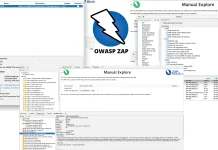
New ZAP PTK Add-On Maps Browser-Based Security Findings as Native Alert Into ZAP
The landscape of application security testing is constantly evolving, demanding more sophisticated tools to catch ever more elusive vulnerabilities. Traditionally, security proxies like OWASP ZAP excelled at intercepting and analyzing server-side interactions. However, the rise of complex, browser-driven applications introduced a blind spot: security issues manifesting purely within the client-side execution environment. Enter the latest enhancement to the OWASP Zed Attack Proxy (ZAP) ecosystem: version 0.3.0 of the OWASP PenTest Kit (PTK) add-on, a development set to significantly upgrade how security analysts identify crucial browser-based findings.
Bridging the Client-Side Security Gap with ZAP PTK
The OWASP ZAP PTK add-on has always aimed to extend ZAP’s capabilities, facilitating a more comprehensive security assessment workflow. With its 0.3.0 release, this add-on introduces a transformative feature: the ability to seamlessly map observed in-browser security findings directly into native ZAP alerts. This is a critical advancement because many modern web applications leverage extensive client-side scripting and dynamic content, leading to security flaws that might not be immediately apparent from network traffic analysis alone.
Think of issues like client-side DOM XSS (Cross-Site Scripting) that might only appear when specific JavaScript code executes within the browser, or subtle logic flaws that are exploited through user interaction after the page has loaded. Before this update, identifying such vulnerabilities often required manual inspection of browser developer tools and then manually replicating or logging these findings within ZAP. This new PTK add-on streamlines this process, bringing these ephemeral browser-centric observations directly into ZAP’s centralized reporting and alerting system.
Enhanced Workflow for Application Security Testing
This integration marks a significant workflow upgrade for anyone involved in application security testing. Security analysts and penetration testers can now experience a more cohesive assessment process where client-side and server-side findings are consolidated. The benefits are clear:
- Unified Reporting: All security alerts, regardless of their origin (proxy-level or in-browser), now reside within ZAP, simplifying analysis and report generation.
- Reduced Manual Effort: Eliminates the need for manual transfer of browser-identified issues into ZAP, saving time and reducing the potential for human error.
- Improved Coverage: Ensures that vulnerabilities exclusive to client-side execution are not overlooked, leading to a more thorough security audit.
- Faster Remediation Cycles: With direct integration, developers receive consolidated reports, accelerating the remediation process.
This capability is particularly valuable when dealing with single-page applications (SPAs) or applications heavily reliant on client-side frameworks, where the attack surface extends significantly beyond traditional HTTP requests and responses.
Technical Implications and How it Works
While the exact technical implementation details of how the PTK add-on “maps” browser findings to ZAP alerts are intricate, the core concept likely involves leveraging browser extensions or specialized JavaScript injections controlled by the PTK. These mechanisms would monitor for specific security-relevant events or patterns within the browser’s execution environment. For instance, if an injection point is identified that leads to JavaScript execution within an unsafe context (e.g., a reflected input in a DOM element), the PTK add-on could detect this and then communicate it back to the main ZAP instance, generating a corresponding alert.
This proactive monitoring and reporting within the browser context allow ZAP to “see” what the browser “sees,” offering a more accurate and comprehensive view of potential security weaknesses.
The Future of ZAP and Client-Side Security
The release of ZAP PTK add-on version 0.3.0 underscores OWASP ZAP’s commitment to remaining a cutting-edge tool in the application security landscape. As web applications continue to push more logic to the client-side, effective security testing tools must evolve in tandem. This update positions ZAP as an even more formidable ally for security professionals seeking to identify and mitigate vulnerabilities across the entire application stack.
For security analysts, developers, and penetration testers, incorporating this updated PTK add-on into their ZAP workflow is a logical next step. It promises to deliver a more efficient, thorough, and integrated approach to finding and addressing critical security flaws, particularly those that manifest exclusively within the dynamic, interactive environment of the modern web browser.




