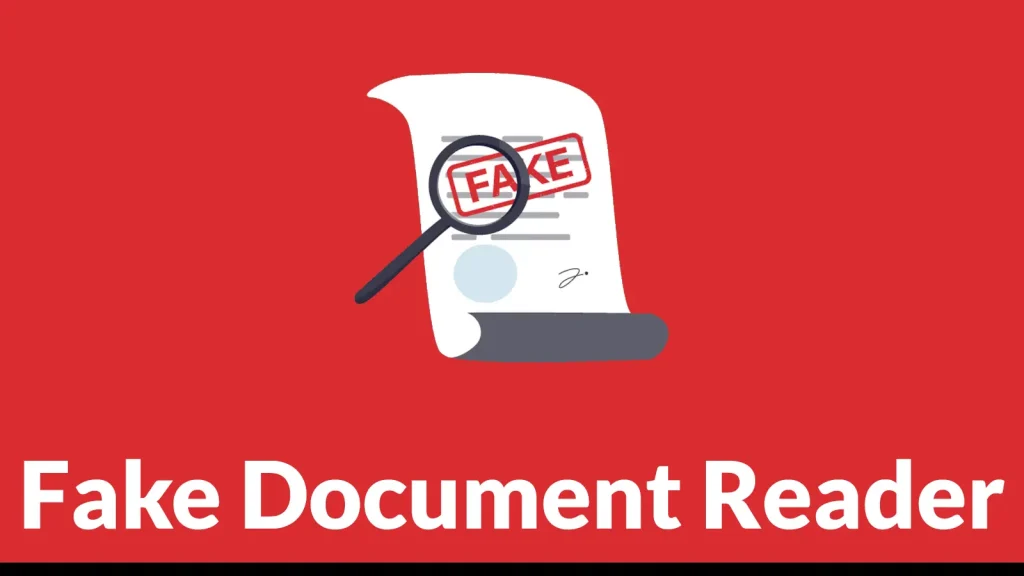
Fake Document Reader On Google Play With 10K Downloads Installing Anatsa Malware
The Trojan within: Anatsa Malware Hidden in a Seemingly Innocent Document Reader App
The digital landscape often harbors hidden dangers, and a recent discovery on the Google Play Store serves as a stark reminder. A malicious application, masquerading as a benign document reader, successfully infiltrated thousands of Android devices, silently deploying the potent Anatsa banking trojan. This incident, impacting over 10,000 users before its removal by Google, underscores the persistent threat of sophisticated malware campaigns targeting mobile platforms. For cybersecurity professionals, understanding the mechanisms and implications of such attacks is paramount to safeguarding digital assets and user trust.
Anatsa Malware: A Deep Dive into a Potent Android Banking Trojan
Anatsa is an advanced Android banking trojan, notorious for its sophisticated capabilities aimed at financial fraud and credential theft. This malware leverages a combination of techniques to compromise user devices and exfiltrate sensitive information. Its primary objective is to gain unauthorized access to banking applications, intercepting financial transactions and stealing login credentials.
- Overlay Attacks: Anatsa frequently employs overlay attacks, creating fake login screens that mimic legitimate banking applications. Users, unknowingly entering their credentials into these fraudulent interfaces, inadvertently hand over their sensitive data to the attackers.
- Remote Control Capabilities: The trojan often establishes remote control over the infected device, allowing attackers to perform actions such as initiating transactions, reading SMS messages (often used for two-factor authentication bypass), and even installing additional malicious software.
- Evasion Techniques: Anatsa is designed with anti-analysis and evasion techniques to bypass security measures and avoid detection by antivirus software. This makes it particularly challenging to identify and remove from compromised devices.
- Session Hijacking: By silently stealing session tokens, Anatsa can hijack active banking sessions, allowing attackers to operate within a user’s legitimate banking application without needing re-authentication.
The Deceptive Play Store Infiltration
The success of this particular Anatsa campaign highlights the ongoing challenge of policing app stores. The malicious application, disguised as a “document reader,” leveraged common user needs to gain traction. The lifecycle of the attack typically involves:
- Initial Download: Users download the seemingly legitimate document reader app from the Google Play Store. The app’s initial functionality might appear benign, further lowering user suspicion.
- Malicious Payload Delivery: After installation, the app silently downloads and executes the Anatsa banking trojan. This often occurs in the background, without any explicit user consent or notification.
- Permission Abuse: Once active, Anatsa typically requests a wide range of permissions, often disguised as necessary for the document reader’s functionality. These permissions are then exploited for malicious purposes, such as accessing contacts, SMS, and overlaying other applications.
- Targeted Financial Theft: With the trojan fully operational, attackers can then proceed to steal financial credentials, drain bank accounts, and perform other forms of financial fraud.
Remediation Actions and Protective Measures
Mitigating the risks posed by sophisticated banking Trojans like Anatsa requires a multi-layered approach, both for individual users and organizational security teams. Proactive measures are crucial to prevent infection, while reactive strategies are necessary for containment and recovery.
- Scrutinize App Permissions: Always review the permissions an app requests before installation. Be wary of apps asking for excessive or unrelated permissions (e.g., a document reader requesting SMS access).
- Download from Trusted Sources: Prioritize downloading applications from official and reputable sources. While app stores like Google Play have security measures, vigilance is still required.
- Utilize Mobile Security Solutions: Implement reputable mobile antivirus and anti-malware solutions on all Android devices. Keep these solutions updated to ensure they can detect the latest threats.
- Enable Two-Factor Authentication (2FA): Where available, always enable 2FA for banking and other sensitive accounts. This adds an extra layer of security, even if credentials are compromised.
- Regularly Monitor Bank Statements: Frequently review bank and credit card statements for any unauthorized transactions. Report suspicious activity immediately to your financial institution.
- Keep Operating System Updated: Ensure your Android operating system is always updated to the latest version. These updates often include critical security patches that address known vulnerabilities.
- Beware of Phishing: Be highly skeptical of unsolicited emails or messages asking you to download apps or click on suspicious links. These are common vectors for malware delivery.
Tools for Detection and Analysis
| Tool Name | Purpose | Link |
|---|---|---|
| Virustotal | Online service for analyzing suspicious files and URLs to detect malware. | https://www.virustotal.com/ |
| AndroGuard | Python tool to reverse engineer Android applications. | https://github.com/androguard/androguard |
| MobSF (Mobile Security Framework) | Automated, all-in-one mobile application (Android/iOS/Windows) pen-testing, malware analysis and security assessment framework. | https://opensecurity.in/Mobile-Security-Framework-MobSF/ |
Conclusion
The discovery of the Anatsa banking trojan disguised within a popular document reader app on the Google Play Store underscores the sophisticated and relentless nature of cybercrime. This incident serves as a critical reminder that even seemingly legitimate applications can harbor malicious payloads. For users, maintaining vigilance, practicing diligent app scrutiny, and employing robust security measures are indispensable. For security professionals, a deep understanding of evolving malware tactics, coupled with advanced detection and remediation strategies, is essential to mitigate these pervasive threats and protect the integrity of financial systems and user data.