
New MajorDoMo RCE Vulnerability Exposes Servers to Code Execution Attacks
A critical new security vulnerability has emerged, sending a clear warning to organizations leveraging MajorDoMo, the popular open-source home automation platform. This flaw, tracked as CVE-2026-27174, exposes internet-facing MajorDoMo servers to unauthenticated remote code execution (RCE). The implications are severe: attackers can gain complete control over affected systems without needing any credentials. This post delves into the specifics of this RCE vulnerability and outlines essential remediation steps.
Understanding the MajorDoMo RCE Vulnerability (CVE-2026-27174)
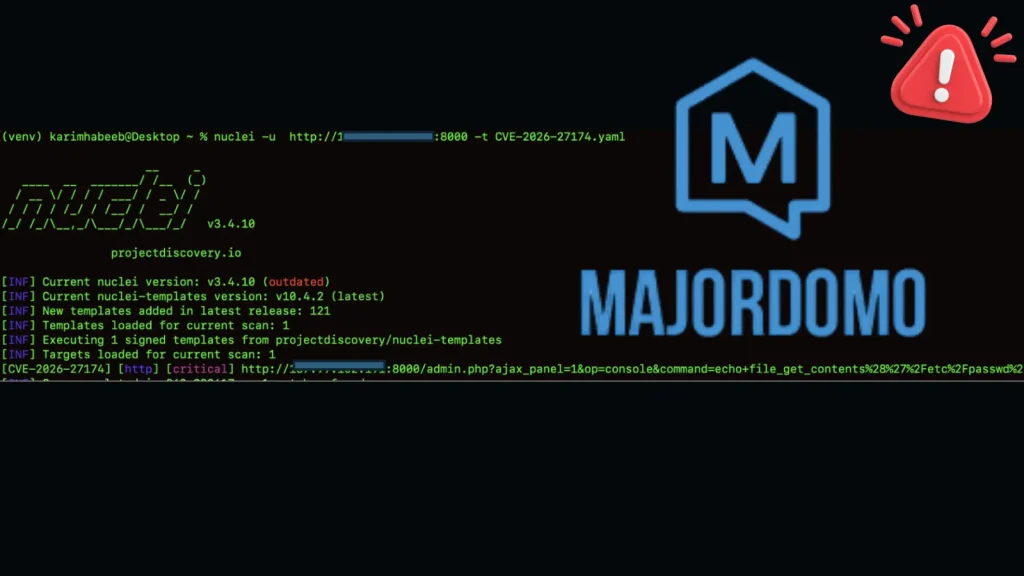
The newly disclosed RCE vulnerability in MajorDoMo stems from a dangerous combination of a broken authentication flow and unsafe dynamic PHP evaluation. Specifically, the flaw exists within the /admin.php request handling process. Cyber Security News reports that while the platform attempts to implement access controls and redirections for unauthorized users, its implementation is fundamentally flawed.
Even after an unauthorized request is redirected, the system continues to process certain execution paths. This critical oversight means that initial access checks are effectively bypassed due to this continued execution flow. Attackers can then leverage this bypass to inject and execute arbitrary PHP code on the server. The ability to execute code remotely without authentication grants an attacker full control over the compromised MajorDoMo instance and potentially the underlying server infrastructure.
Impact of Unauthenticated Remote Code Execution
The impact of an unauthenticated RCE vulnerability cannot be overstated. For MajorDoMo users, this means:
- Complete System Compromise: Attackers can execute arbitrary commands, install malware, or modify system configurations.
- Data Theft and Espionage: Sensitive data stored on the server, including personal information or network configurations, can be exfiltrated.
- Further Network Penetration: A compromised MajorDoMo server can serve as a jumping-off point for lateral movement within an organization’s network.
- Disruption of Services: Attackers could disable or manipulate the home automation system, leading to significant disruption of connected devices and services.
- Reputational Damage: For organizations, a successful RCE attack can lead to significant reputational harm, financial losses, and regulatory penalties.
Remediation Actions for MajorDoMo Users
Given the severity of CVE-2026-27174, immediate action is crucial for all MajorDoMo users, especially those with internet-facing deployments:
- Patch Immediately: The most critical step is to apply any official security patches or updates released by the MajorDoMo project maintainers addressing this vulnerability. Monitor official MajorDoMo channels for release announcements.
- Restrict Network Access: If immediate patching is not possible, strongly consider restricting network access to your MajorDoMo server. Ideally, it should not be directly exposed to the internet. Use VPNs or secure access gateways for remote management.
- Implement a Web Application Firewall (WAF): A WAF can help detect and block malicious requests attempting to exploit this vulnerability. Configure your WAF to scrutinize requests to
/admin.phpand related paths for suspicious payloads. - Review Logs Regularly: Monitor server logs for any unusual activity, especially failed authentication attempts, unexpected file modifications, or unauthorized command execution.
- Isolate MajorDoMo Instances: Ensure that your MajorDoMo server operates in a segmented network environment to limit potential damage from a compromise.
Detection and Scanning Tools
To help identify potential exposures or active exploitation attempts, the following tools can be valuable:
| Tool Name | Purpose | Link |
|---|---|---|
| Nessus | Vulnerability scanning for known CVEs. | https://www.tenable.com/products/nessus |
| OpenVAS | Open-source vulnerability scanner to detect known flaws. | https://www.greenbone.net/ |
| Metasploit Framework | Can be used to develop or deploy exploit modules if a public one becomes available. | https://www.metasploit.com/ |
| OWASP ZAP | Web application security scanner for identifying vulnerabilities. | https://www.zaproxy.org/ |
Conclusion
The discovery of CVE-2026-27174 in MajorDoMo highlights the persistent danger of critical vulnerabilities in widely used software. Unauthenticated remote code execution is among the most severe flaw types, demanding immediate attention. All administrators and users of MajorDoMo are urged to understand the risks and implement the recommended remediation actions without delay. Staying informed and proactive is the best defense against such pervasive threats, ensuring the integrity and security of your systems.




