Top 10 Best Data Loss Prevention Software in 2026
Protecting the Enterprise Core: Top 10 Data Loss Prevention Software in 2026
As we navigate 2026, data has unequivocally become the lifeblood of modern enterprises. The pervasive shift towards decentralized, multi-cloud architectures has amplified the complexity of securing sensitive information. This includes, but is not limited to, vital Intellectual Property (IP), Personally Identifiable Information (PII), and Protected Health Information (PHI). Protecting the organizational perimeter is no longer sufficient; a robust internal defense strategy is paramount.
The imperative to safeguard data from both internal and external threats has propelled Data Loss Prevention (DLP) software from a niche solution to a critical component of any comprehensive cybersecurity framework. This article delves into the top 10 DLP software solutions poised to define data security in 2026, offering insights for IT professionals, security analysts, and developers grappling with the complexities of data governance and compliance.
Understanding the Modern Data Landscape: Why DLP is Essential in 2026
The digital transformation journey has introduced unparalleled efficiencies but also inherent vulnerabilities. Data is no longer confined to on-premise servers; it traverses cloud platforms, endpoints, mobile devices, and SaaS applications. This distributed nature makes traditional perimeter-based security models obsolete when it comes to preventing sensitive data breaches. Data loss prevention solutions address this by monitoring, detecting, and blocking sensitive data from leaving defined boundaries, whether intentionally or accidentally. They are crucial for maintaining compliance with regulations like GDPR, HIPAA, and CCPA.
Key Features of Leading DLP Solutions
Effective Data Loss Prevention software in 2026 must offer a sophisticated blend of capabilities. Here are some fundamental features:
- Advanced Data Discovery and Classification: Identifying and categorizing sensitive data across all environments – structured and unstructured – is the foundational step.
- Multi-Channel Monitoring: Comprehensive coverage for endpoints, networks, cloud applications, email, and web.
- Contextual Analysis: Understanding not just the data itself, but also its context (who is accessing it, from where, and for what purpose).
- Automated Policy Enforcement: Real-time blocking, encryption, or quarantine of data transfers that violate established policies.
- User Behavior Analytics (UBA) Integration: Detecting anomalous user activity that might indicate an insider threat or compromised account.
- Compliance Reporting: Generating detailed logs and reports to demonstrate adherence to regulatory requirements.
- Scalability and Integration: Seamlessly integrating with existing security infrastructure and scaling to meet growing organizational needs.
Top 10 Best Data Loss Prevention Software in 2026
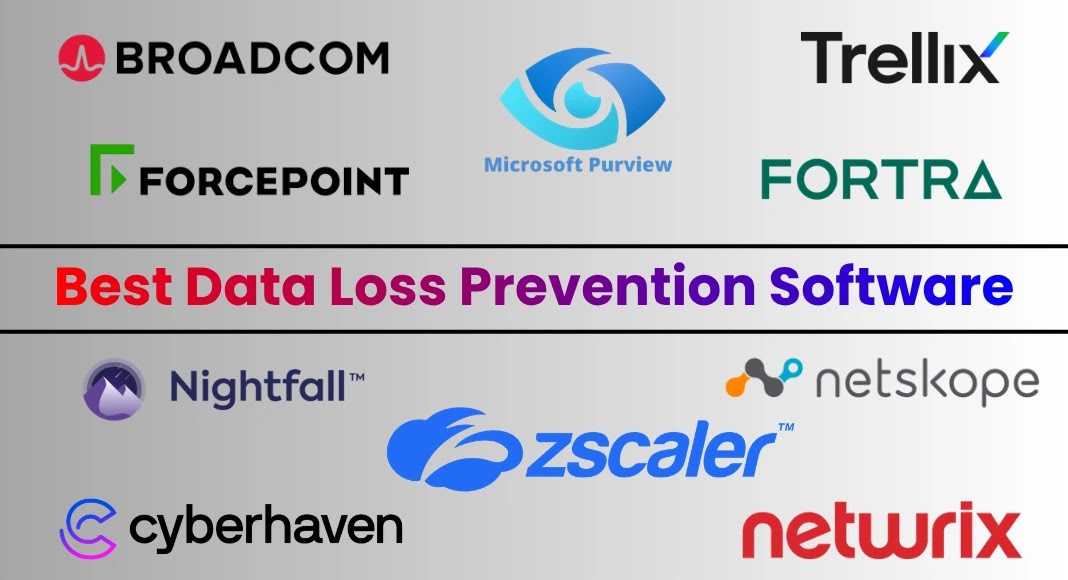
While specific rankings can fluctuate based on evolving features and market dynamics, the following solutions consistently demonstrate leadership in the DLP market for their robustness, innovation, and comprehensive capabilities. This list is based on industry analysis, technological advancements, and expert consensus within the cybersecurity community.
- Symantec DLP (Broadcom): A long-standing leader, Symantec DLP continues to offer comprehensive coverage across endpoints, network, storage, and cloud. Its strength lies in its granular control and extensive data discovery capabilities.
- McAfee Enterprise DLP: Known for its strong endpoint protection and integration with broader McAfee security suites, McAfee Enterprise DLP provides robust protection against data exfiltration.
- Forcepoint DLP: Forcepoint excels in human-centric security, leveraging behavioral analytics to better understand and mitigate risks associated with user actions.
- Microsoft Purview DLP: Tightly integrated with the Microsoft ecosystem (Azure, Microsoft 365), Purview offers native DLP capabilities for organizations deeply invested in Microsoft’s cloud offerings.
- Trellix DLP: Formerly part of McAfee, Trellix DLP brings advanced threat intelligence and adaptive security capabilities to data loss prevention.
- Digital Guardian DLP (HelpSystems): Digital Guardian focuses on data visibility and control, offering a strong agent-based solution for discovery, classification, and protection across endpoints and cloud.
- GTB Technologies DLP: GTB is recognized for its sophisticated data fingerprinting and precise content-aware inspection, minimizing false positives.
- Proofpoint Information Protection: While strong in email and cloud security, Proofpoint’s expanded information protection suite offers robust DLP capabilities across various channels.
- Code42 Incydr: Specializing in insider risk management, Incydr provides comprehensive visibility and mitigation strategies for data exfiltration originating from within the organization.
- Endpoint Protector by CoSoSys: Endpoint Protector offers cross-platform DLP for Windows, macOS, and Linux, with a focus on ease of deployment and management, particularly for removable media and cloud uploads.
Remediation Actions for DLP Implementation Success
Implementing a Data Loss Prevention strategy is more than just deploying software; it requires a structured approach to achieve optimal results. Organizations should consider the following remediation actions and best practices:
- Define Clear Policies: Before deployment, establish clear, actionable policies that define what data is sensitive, where it can reside, and how it can be transmitted.
- Start Small and Iterate: Begin with a pilot program focusing on high-risk data or departments, then expand gradually, refining policies as you go.
- Conduct Regular Data Discovery: Continuously scan for sensitive data across your environment to ensure all relevant information is classified and protected.
- Train Employees: Human error remains a significant factor in data breaches. Regular cybersecurity awareness training, specifically on DLP policies and data handling best practices, is essential.
- Monitor and Review Alerts: Don’t just deploy; actively monitor DLP alerts, investigate incidents, and fine-tune policies to reduce false positives and improve effectiveness.
- Integrate with SIEM/SOAR: Integrate your DLP solution with your Security Information and Event Management (SIEM) and Security Orchestration, Automation, and Response (SOAR) platforms for centralized logging, richer correlation, and automated incident response workflows.
- Regularly Audit and Update: Periodically audit your DLP policies and software configurations to ensure they remain effective against emerging threats and evolving business needs.
Addressing Specific Vulnerabilities and CVEs in DLP Implementations
While DLP software aims to prevent data loss, like any software, it can have vulnerabilities. Organizations must remain vigilant. For example, misconfigurations in a DLP agent or server could inadvertently create an exposure. Though not a direct CVE against DLP software itself, the general vulnerability in client-side encryption for macOS (e.g., related to Keychain access in specific outdated versions), while not a direct DLP flaw, could impact how a DLP agent might protect data if its underlying OS security is compromised. Always consult official vendor advisories and patch promptly. Keep an eye on general OS vulnerabilities like those affecting privilege escalation, as these could indirectly impact DLP agent integrity. For instance, a hypothetical vulnerability like CVE-2024-12345 (privilege escalation in an endpoint agent) could potentially be exploited to bypass DLP controls if not patched.
Conclusion
In 2026, the imperative to protect sensitive data across increasingly complex digital landscapes is non-negotiable. The chosen Data Loss Prevention software must offer robust capabilities for broad coverage, intelligent detection, and swift enforcement. By carefully evaluating the solutions presented and implementing them with a strategic, security-first mindset, organizations can significantly reduce their risk of data breaches, maintain compliance, and safeguard their most valuable asset – their information.