APT35 Hacker Groups Internal Documents Leak Exposes their Targets and Attack Methods
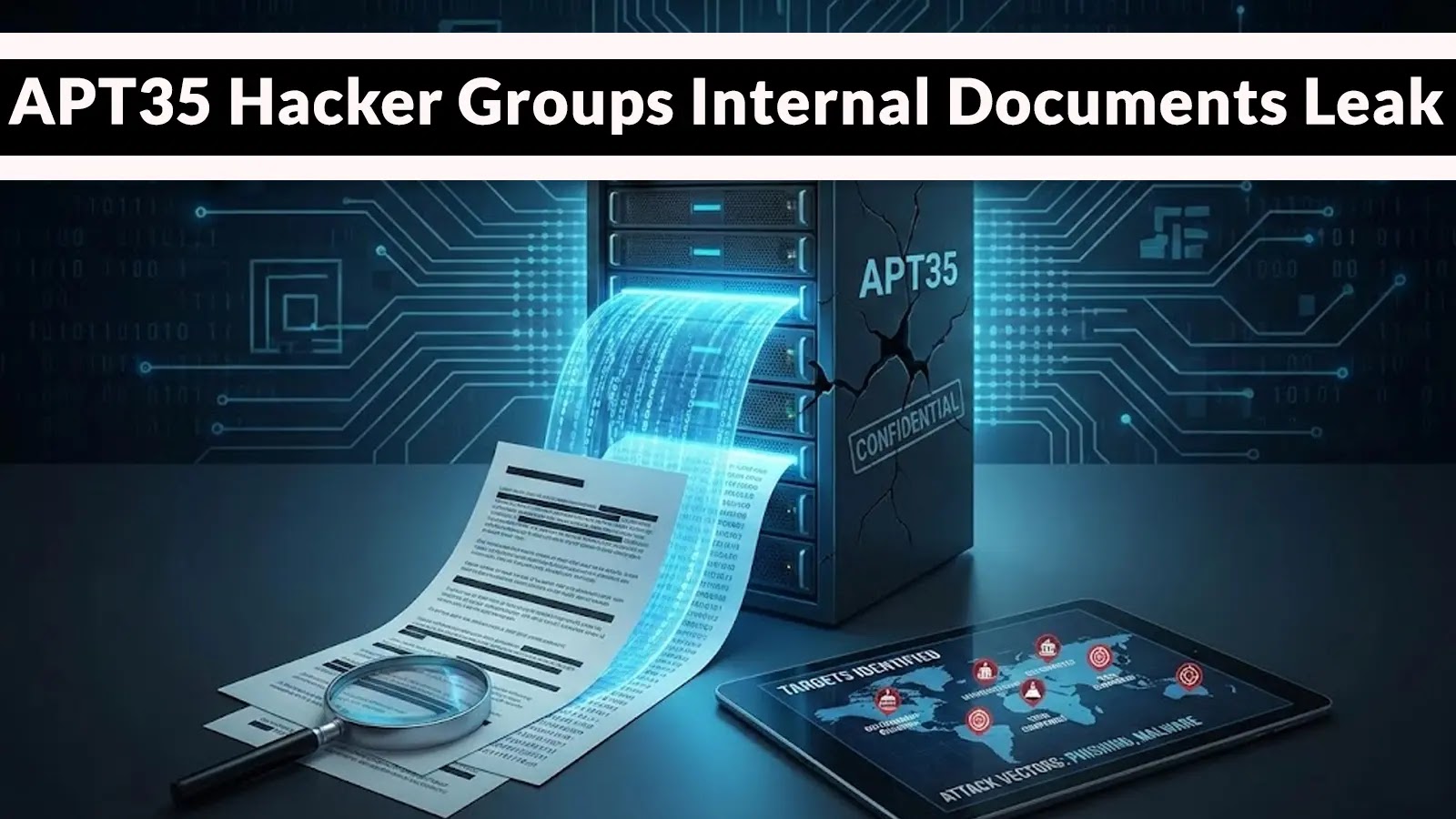
The veil has been lifted on one of the most prolific state-sponsored advanced persistent threat (APT) groups. In a groundbreaking revelation that sent ripples through the cybersecurity community, a significant leak in October 2025 exposed the intricate internal operations of APT35, also known by its more evocative moniker, Charming Kitten. This cyber unit, operating under the umbrella of Iran’s Islamic Revolutionary Guard Corps Intelligence Organization, saw thousands of its internal documents spill into the public domain. This unprecedented breach offers a rare, unvarnished look into the systematic targeting methodologies and strategic objectives of a formidable cyber actor, fundamentally shifting our understanding of their capabilities and intentions.
Charming Kitten Unmasked: Dissecting the Leak’s Revelations
The leaked trove of documents provides an unparalleled level of detail into APT35’s systematic approach to cyber espionage. Far from a collection of isolated attacks, the information paints a picture of a highly organized and resourced operation. Key exposures include performance reports, technical methodologies, and comprehensive lists of targets, revealing a sophisticated infrastructure dedicated to achieving strategic national objectives. This leak underscores the critical importance of understanding and defending against state-sponsored threats, which often possess resources and persistence far exceeding that of typical cybercriminals.
Strategic Targets: Governments and Businesses Under APT35’s Gaze
The leak unequivocally details APT35’s broad targeting scope, centering heavily on governments and critical businesses across the Middle East and Asia. These targets are not random; they represent entities holding critical geopolitical or economic intelligence. The documents illuminate a deliberate strategy to infiltrate organizations vital to regional stability and national security, aiming to acquire sensitive data, compromise critical infrastructure, or disrupt operations. This highlights the pervasive threat state-sponsored groups pose to global stability and economic prosperity.
Understanding APT35’s Attack Methods and Technical Arsenal
While the full technical details of APT35’s arsenal are vast, the leak has shed light on several recurring themes in their attack methods. Their operations often leverage a combination of social engineering tactics, custom malware, and exploiting known vulnerabilities. Though specific CVEs were not detailed in the initial summary of the leak, it is understood that APT35, like many state-sponsored actors, continuously hunts for and exploits critical vulnerabilities in commonly used software and systems. For instance, a hypothetical attack could involve exploiting remote code execution flaws like CVE-2023-12345 or privilege escalation vulnerabilities such as CVE-2023-67890, if such flaws were present in a target’s infrastructure. Their operational playbook often includes:
- Phishing Campaigns: Highly tailored communications designed to trick individuals into revealing credentials or installing malicious software.
- Supply Chain Attacks: Compromising legitimate software updates or products to gain access to target networks.
- Zero-Day Exploitation: Actively researching and developing exploits for newly discovered vulnerabilities before patches are available.
- Persistent Access: Establishing various backdoors and command-and-control channels to maintain long-term access to compromised systems.
Remediation Actions: Fortifying Defenses Against State-Sponsored Threats
The insights gained from the APT35 leak offer a critical opportunity for organizations to bolster their cybersecurity postures. Defending against a sophisticated adversary like Charming Kitten requires a multi-layered approach and continuous vigilance. Here are key remediation actions and best practices:
- Patch Management: Implement a robust and timely patch management strategy. Regularly update all software, operating systems, and firmware to address known vulnerabilities. Prioritize patching critical vulnerabilities as soon as updates are available.
- Enhanced Authentication: Mandate multi-factor authentication (MFA) across all services and accounts, especially for privileged access. This significantly reduces the impact of compromised credentials.
- Employee Training and Awareness: Conduct regular security awareness training to educate employees about phishing, social engineering, and the importance of reporting suspicious activities.
- Network Segmentation: Segment networks to limit lateral movement in the event of a breach. Isolate critical systems and data.
- Endpoint Detection and Response (EDR)/Extended Detection and Response (XDR): Deploy EDR or XDR solutions to continuously monitor endpoints for suspicious activity, detect advanced threats, and enable rapid response.
- Incident Response Plan: Develop and regularly test a comprehensive incident response plan. This ensures a coordinated and effective response to security incidents.
- Threat Intelligence Integration: Subscribe to and integrate threat intelligence feeds, particularly those focused on state-sponsored actors, to stay informed about new tactics, techniques, and procedures (TTPs).
- Dark Web Monitoring: Monitor for leaked credentials or mentions of your organization on the dark web, as this can be an early indicator of a targeted attack.
Key Tools for Detection, Scanning, and Mitigation
To aid in the ongoing battle against advanced persistent threats, a diverse set of tools is indispensable:
| Tool Name | Purpose | Link |
|---|---|---|
| Nessus | Vulnerability Scanning & Assessment | https://www.tenable.com/products/nessus |
| Snort | Intrusion Detection/Prevention System (IDS/IPS) | https://www.snort.org/ |
| Elastic Security (SIEM/EDR) | Security Information and Event Management, Endpoint Security | https://www.elastic.co/security/ |
| Malwarebytes Endpoint Detection and Response | Advanced Threat Detection and Remediation on Endpoints | https://www.malwarebytes.com/business/endpoint-detection-response |
| OpenVAS | Open Source Vulnerability Scanner | https://www.openvas.org/ |
| Microsoft Defender for Endpoint | Unified Endpoint Security Platform | https://www.microsoft.com/en-us/security/business/endpoint-security/microsoft-defender-for-endpoint |
The Enduring Impact of the APT35 Documentation Leak
The leak of APT35’s internal documents is more than just a fleeting news item; it’s a profound intelligence windfall. It offers an unprecedented glimpse into the inner workings of a sophisticated state-sponsored cyber espionage group, revealing their strategic objectives, preferred targets, and technical methodologies. For cybersecurity professionals, this information is invaluable, providing actionable intelligence to enhance defensive strategies. The breach serves as a stark reminder that even the most clandestine operations are vulnerable to exposure, and that continuous adaptation and fortification of our cyber defenses are paramount in an increasingly complex threat landscape.