APT36 Malware Campaign Targeting Windows LNK Files to Attack Indian Government Entities
Unmasking Transparent Tribe: How APT36 Exploits LNK Files to Target Indian Government
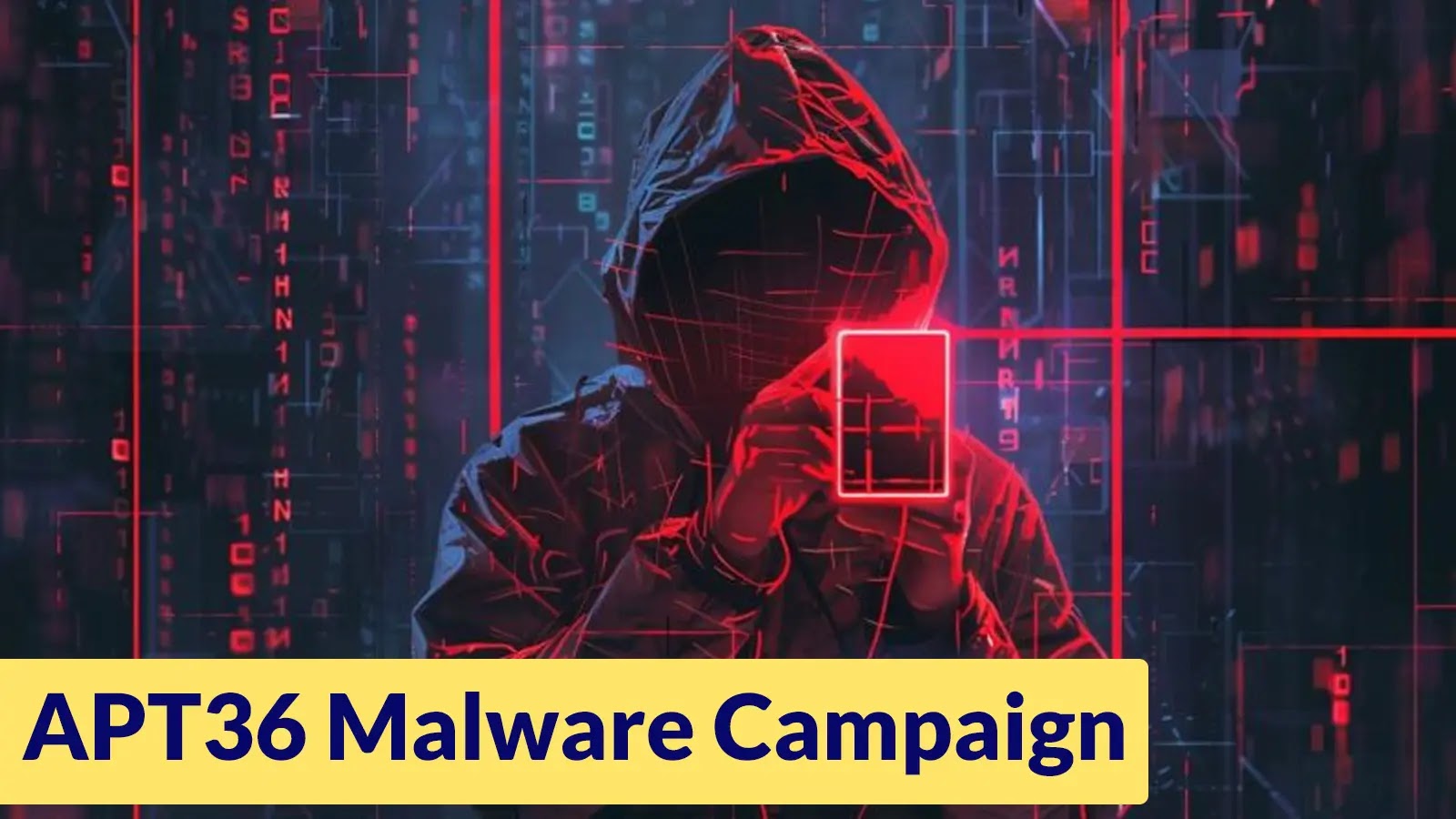
The digital defense landscape faces relentless adversaries. Among them, advanced persistent threats (APTs) stand out for their sophisticated, long-term campaigns. One such group, APT36 (also known as Transparent Tribe), has once again surfaced with a new malware campaign specifically targeting Indian government and strategic entities. This campaign employs a deceptive tactic: abusing Windows LNK shortcut files, a subtle yet effective method for initial compromise.
The Deceptive Lure: Spear-Phishing with an Exam Notice
APT36’s latest offensive begins with a familiar, yet often successful, technique: spear-phishing. Attackers craft highly targeted emails designed to appear legitimate and entice specific individuals. In this campaign, the lure is an attachment disguised as an official exam notice. The malicious ZIP archive is cleverly named “Online JLPT Exam Dec 2025.zip”. This theme is specifically chosen to appeal to government officials, leveraging their potential interest in certifications or official communications.
The success of such campaigns hinges on social engineering. By crafting a plausible scenario, APT36 increases the likelihood that a targeted official will open the attachment, unwittingly initiating the attack chain.
Compromising with a Click: The LNK File Vulnerability
The core of this campaign lies in the exploitation of Windows LNK (shortcut) files. These seemingly innocuous files, when crafted maliciously, can execute arbitrary code without direct user interaction beyond opening the shortcut. When a user double-clicks the malicious LNK file contained within the ZIP archive, it can trigger a sequence of events:
- The LNK file might execute a hidden script or command.
- This script or command could then download additional stages of malware from a remote server controlled by APT36.
- The downloaded malware can then establish persistence on the compromised system, exfiltrate sensitive data, or provide remote access to the attackers.
While not associated with a specific CVE for LNK file execution itself, the misuse of LNK files highlights a broader security concern where legitimate operating system features are repurposed for malicious ends. This technique often bypasses traditional antivirus detections that might focus solely on executable file analysis.
APT36: A Persistent Threat to Indian Interests
Transparent Tribe, or APT36, is a well-documented threat actor believed to originate from Pakistan. Their history includes numerous campaigns aimed at espionage against Indian governmental, diplomatic, and military organizations. Their tactics often involve a blend of custom malware, social engineering, and exploitation of common vulnerabilities or misconfigurations. The use of LNK files in this campaign underscores their continuous adaptation and refinement of attack methodologies to bypass established defenses.
Remediation Actions and Proactive Defenses
Defending against sophisticated groups like APT36 requires a multi-layered security approach. Organizations, particularly those in critical sectors, must implement robust strategies to counter these persistent threats.
- User Awareness Training: Regularly educate employees, especially those in high-value positions, about spear-phishing tactics. Emphasize scrutinizing sender addresses, unexpected attachments, and suspicious file types.
- Email Security Gateways: Deploy advanced email security solutions capable of detecting and blocking malicious attachments, even those disguised within ZIP archives or using less common file types like LNK.
- Endpoint Detection and Response (EDR): Implement EDR solutions that can monitor for suspicious process execution, unauthorized network connections, and anomalous file activity, which can indicate LNK file exploitation.
- Application Whitelisting: Consider restricting software execution to only approved applications. This can significantly limit the impact of malicious scripts or executables launched by LNK files.
- Disable LNK File Execution via Group Policy (with caution): While extreme, administrators can consider limiting the ability of LNK files to execute certain commands or applications. However, this requires careful testing as it can impact legitimate shortcuts.
- Regular Patching and Updates: Ensure all operating systems and applications are consistently updated to protect against known vulnerabilities.
- Network Segmentation and Least Privilege: Implement network segmentation to limit lateral movement in case of a breach, and enforce the principle of least privilege for user accounts.
Tools for Detection and Mitigation
A combination of technical controls is vital for protecting against threats that leverage LNK files and spear-phishing.
| Tool Name | Purpose | Link |
|---|---|---|
| Microsoft Defender for Endpoint | Endpoint Detection & Response (EDR), behavioral analysis, threat intelligence integration. | https://www.microsoft.com/en-us/security/business/microsoft-365-defender/endpoint-defender |
| Proofpoint Email Security | Advanced email threat protection, URL rewriting, attachment sandboxing. | https://www.proofpoint.com/us/products/email-protection |
| VirusTotal | Multi-antivirus scan, file analysis, and threat intelligence for suspicious files. | https://www.virustotal.com/gui/home/upload |
| Sysmon | Monitors and logs system activity, including process creation and network connections, for deeper incident response. | https://docs.microsoft.com/en-us/sysinternals/downloads/sysmon |
Conclusion: Vigilance Against Evolving Threats
The APT36 campaign targeting Indian government entities via malicious LNK files serves as a stark reminder of the persistent and evolving nature of cyber threats. Adversaries continuously adapt their tactics, often leveraging simple yet effective methods like disguised shortcut files to breach defenses. Organizations must prioritize robust security awareness training, deploy advanced endpoint and email security solutions, and maintain a proactive stance in patching and monitoring. Staying vigilant is not merely a recommendation; it is an imperative for safeguarding critical national infrastructure and sensitive information.