Ashen Lepus Hacker Group Attacks Eastern Diplomatic Entities With New AshTag Malware
Ashen Lepus Unleashes AshTag Malware in Targeted Espionage Campaign
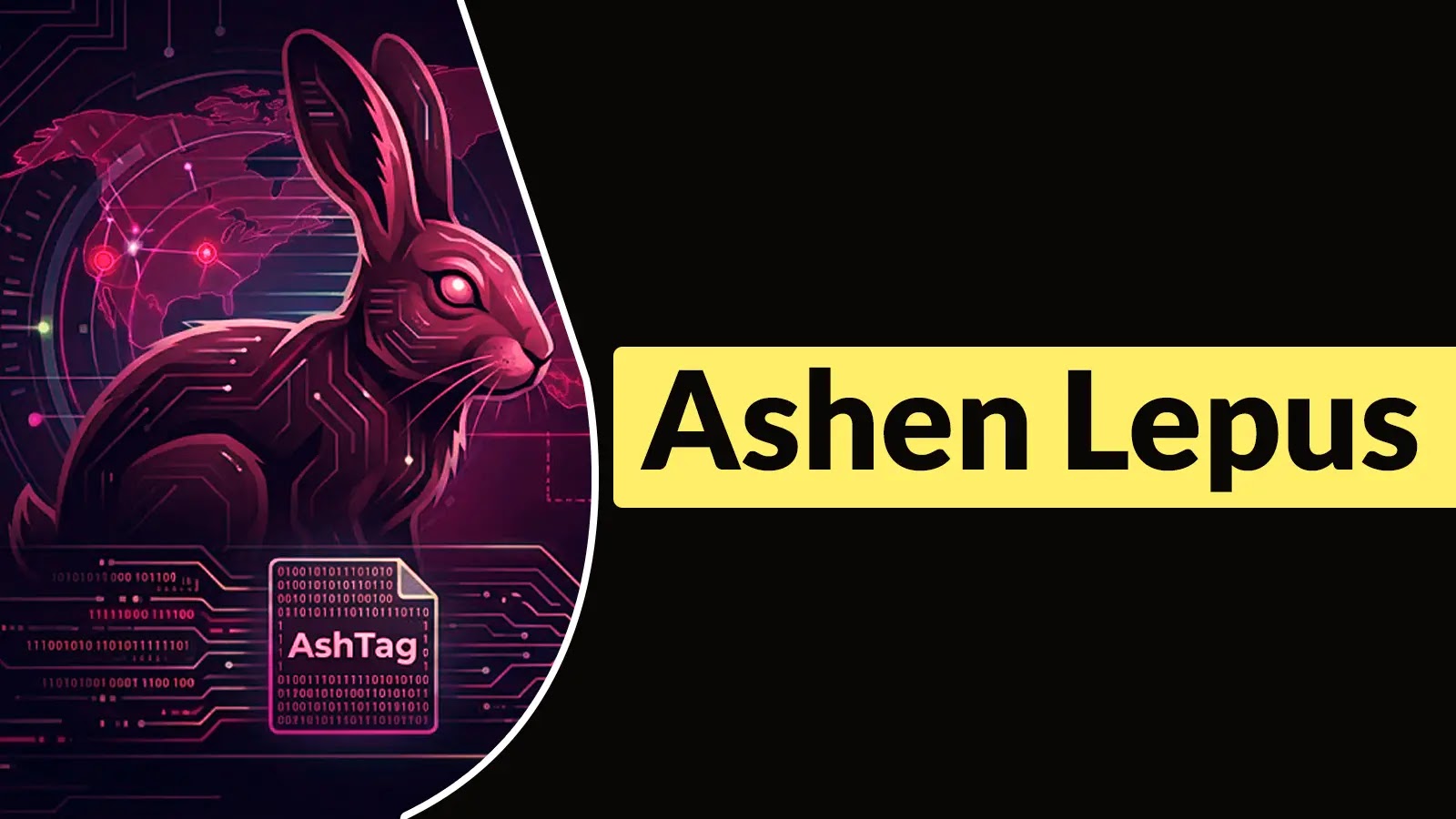
The digital shadows continue to lengthen across the Middle East, as a sophisticated threat actor known as Ashen Lepus, also tracked by intelligence agencies as WIRTE, has launched a highly targeted espionage campaign. This group is specifically setting its sights on governmental and diplomatic entities, deploying a novel malware strain dubbed AshTag. The implications of such an attack, particularly within a region rife with geopolitical complexities, demand immediate attention from cybersecurity professionals and diplomatic stakeholders alike.
Who is Ashen Lepus (WIRTE)?
Ashen Lepus is not a new player in the threat landscape. Identified as a Hamas-affiliated threat group, their operations typically revolve around intelligence gathering and surveillance, often aligning with the political objectives of their purported sponsors. Their resurgence with a new set of tactics and tools underscores the ever-present and adapting nature of state-sponsored or state-aligned cyber activity. Understanding their modus operandi is crucial for anticipating future threats and bolstering defenses.
The AshTag Malware: A Deep Dive into Espionage Tactics
The primary weapon in Ashen Lepus’s latest campaign is the recently identified AshTag malware. While specific technical details regarding AshTag’s full capabilities are still emerging, the context of its deployment points towards an advanced persistent threat (APT) designed for long-term espionage. Typically, malware used in such campaigns focuses on data exfiltration, keystroke logging, screen capturing, and maintaining persistent access to compromised systems.
Given the targets—diplomatic entities—AshTag is likely engineered to pilfer sensitive communications, classified documents, and strategic intelligence. The ability to remain undetected for extended periods is a hallmark of such tools, allowing threat actors to collect valuable information over time without triggering immediate alarms.
The Lure: Exploiting Regional Politics and Trust
A critical component of Ashen Lepus’s strategy is their masterful use of social engineering, particularly through realistic Arabic-language diplomatic lures. These lures are meticulously crafted to reference current regional politics and sensitive security talks, making them highly convincing to their intended targets.
- These weaponized documents exploit human trust, mimicking legitimate correspondence that officials would expect to receive.
- The attackers leverage regional geopolitical events as context, increasing the perceived authenticity of their malicious attachments.
- Once a target interacts with these compromised documents, likely via macro-enabled files or exploit chains, the AshTag malware is deployed onto their system, initiating the espionage phase.
Remediation Actions and Proactive Defense
Defending against sophisticated groups like Ashen Lepus requires a multi-layered and proactive cybersecurity posture. Organizations, especially those in governmental and diplomatic sectors, must prioritize robust security measures.
- Employee Training and Awareness: Conduct regular, realistic training on identifying phishing attempts and weaponized documents, emphasizing the dangers of opening unsolicited attachments, even if they appear legitimate.
- Email Security Gateways: Implement advanced email security solutions with sandbox analysis capabilities to detect and block malicious attachments and URLs before they reach end-users.
- Endpoint Detection and Response (EDR): Deploy EDR solutions to monitor endpoints for suspicious activity, detect malware execution, and enable rapid incident response.
- Patch Management: Maintain a rigorous patch management schedule to ensure all operating systems and applications are up-to-date, addressing known vulnerabilities. Pay particular attention to productivity suites (e.g., Microsoft Office) often targeted by document-borne malware.
- Network Segmentation: Segment networks to limit lateral movement in the event of a breach, containing potential damage and slowing down attackers.
- Privileged Access Management (PAM): Implement PAM solutions to control, monitor, and audit access to critical systems and data, minimizing the risk of credential compromise.
- Threat Intelligence Feeds: Subscribe to and integrate threat intelligence feeds within security operations to stay informed about active threats, TTPs (Tactics, Techniques, and Procedures), and indicators of compromise (IoCs) associated with groups like Ashen Lepus.
The Continuing Threat to Eastern Diplomatic Entities
The campaign by Ashen Lepus (WIRTE) and the deployment of AshTag malware represent a significant and ongoing threat to governmental and diplomatic organizations in the Middle East. Their reliance on politically charged lures highlights a sophisticated understanding of regional dynamics and a tailored approach to social engineering.
Maintaining vigilance, investing in advanced security infrastructure, and fostering a strong security-aware culture are paramount in countering these evolving cyber espionage efforts. Proactive defense and immediate incident response are not merely best practices; they are essential for safeguarding national security and diplomatic integrity.