Authorities Arrested Hackers With Specialized FLIPPER Hacking Equipment Used to Attack IT Systems
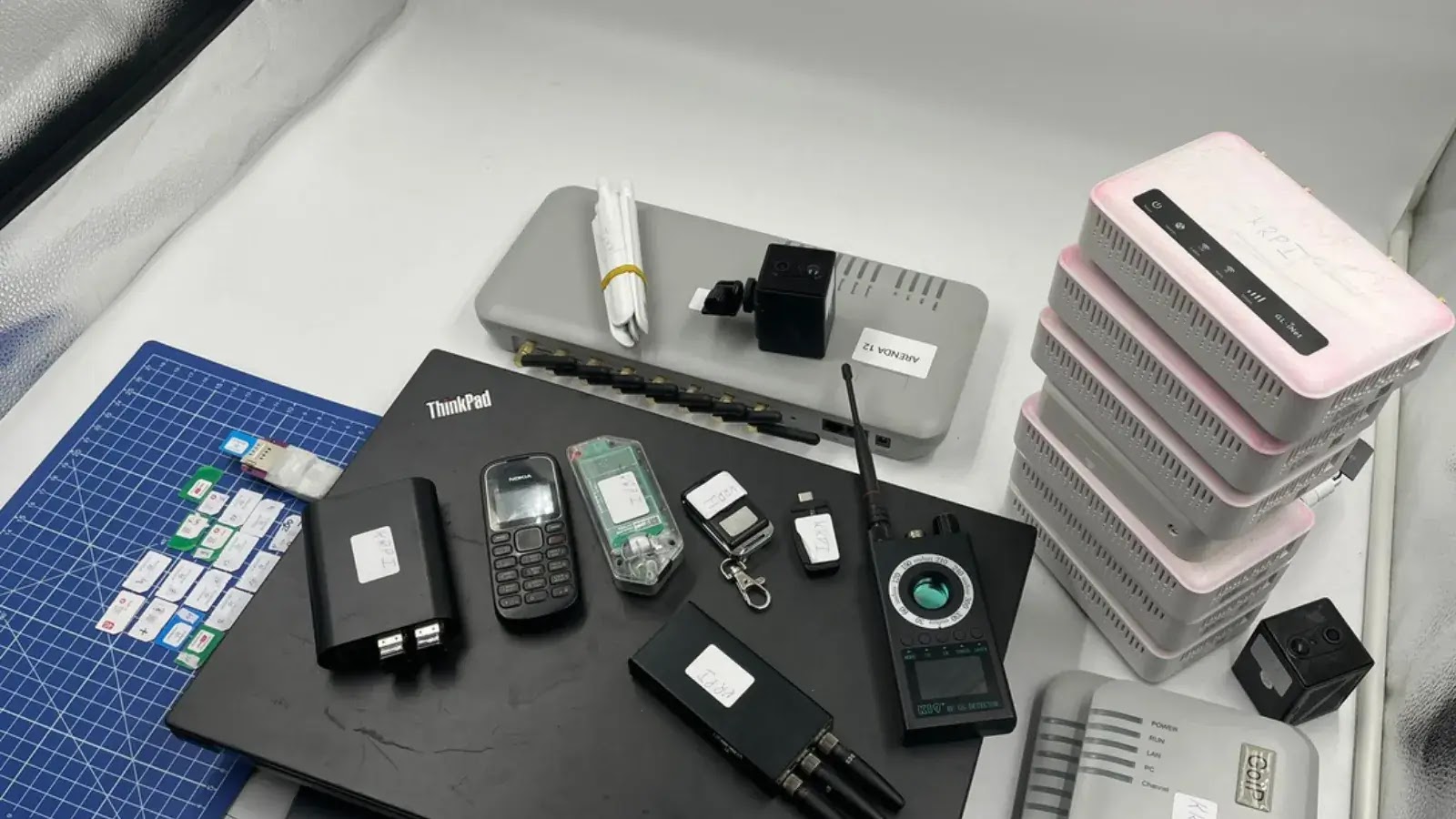
The swift action of Polish authorities recently underscored a growing threat in the cybersecurity landscape: the physical tools wielded by malicious actors. In a significant incident in Warsaw, three individuals were apprehended carrying specialized FLIPPER hacking equipment, allegedly intended for sophisticated attacks on critical IT and telecommunications infrastructure. This event serves as a stark reminder that cyber threats extend beyond virtual exploits, often leveraging tangible devices for nefarious purposes.
The Warsaw Arrest: A Glimpse into Physical Hacking Tactics
During a routine traffic stop in Warsaw’s Śródmieście district, Polish authorities detained three Ukrainian citizens, aged 43, 42, and 39. The discovery of specialized FLIPPER hacking equipment in their possession immediately raised alarms. While the specific models or modifications of the FLIPPER devices were not detailed in the initial report, their alleged intent to compromise IT and telecommunications systems points to a planned, sophisticated operation. This incident highlights the convergence of physical and cyber attack vectors, where readily available devices can be weaponized with precise intent.
Understanding FLIPPER Hacking Equipment
While the source material doesn’t specify the exact “FLIPPER hacking equipment,” the term commonly refers to devices like the Flipper Zero. The Flipper Zero is a portable multi-tool for pentesters and hardware enthusiasts, capable of interacting with various digital systems in the real world. Its versatility makes it a powerful asset for legitimate security research, but also a potent tool in the hands of malicious actors. Key capabilities that make such devices attractive for illicit activities include:
- Radio Frequency (RF) Hacking: Interacting with protocols like Sub-1 GHz (used in garage doors, alarms, smart home devices) and NFC (Near Field Communication) for card emulation or reading.
- Infrared (IR) Blasting: Controlling TVs and other IR-enabled devices.
- GPIO (General Purpose Input/Output) Pins: Allowing for custom hardware interactions and debugging.
- USB Communication: Emulating keyboards (BadUSB attacks) or connecting to other devices.
- Bluetooth Low Energy (BLE) Interaction: Communicating with and potentially exploiting BLE devices.
The alleged use of this specialized equipment against IT and telecommunications systems could involve a range of tactics, from unauthorized access to sensitive data via NFC card cloning, to disrupting network infrastructure through targeted RF interference, or even deploying BadUSB payloads to gain initial access to endpoints.
The Threat Landscape: Physical Tools and Cyber Attacks
The Warsaw arrest underscores a critical aspect of modern cybersecurity that is sometimes overlooked: the physical attack surface. While firewalls and intrusion detection systems protect digital perimeters, a physical device like a Flipper Zero can bypass many traditional defenses by directly interacting with vulnerable hardware or radio frequencies. Such incidents highlight:
- Inside Threat Potential: These devices can be used discreetly by insiders or by external actors gaining physical access.
- Supply Chain Risks: Vulnerabilities in device firmware or hardware design can be exploited.
- Evolving Attack Vectors: Adversaries are continuously looking for novel ways to exploit both digital and physical weaknesses. The use of specialized tools like the Flipper Zero demonstrates a move towards more sophisticated, hardware-assisted attacks.
Remediation Actions and Security Best Practices
Addressing the threat posed by specialized physical hacking tools requires a multi-layered security strategy that extends beyond traditional software-based defenses.
- Physical Security Hardening:
- Access Control: Implement robust physical access controls for all critical infrastructure, server rooms, and telecommunications facilities. This includes keycard systems, biometric scanners, and continuous surveillance.
- Entry Point Monitoring: Install cameras and sensors at all entry/exit points and routinely review footage for unusual activity.
- Asset Tagging and Inventory: Maintain an up-to-date inventory of all hardware assets and regularly audit their physical presence and condition.
- Network Segmentation and Isolation:
- Isolate critical IT and telecommunications systems using network segmentation to limit the impact of a potential breach, even if physical access is gained to a less sensitive segment.
- Implement strong access controls for network ports and disable unused ports.
- Endpoint Security Enhancement:
- USB Port Control: Implement policies to restrict or disable USB port access on critical workstations and servers to mitigate BadUSB attacks. Use solutions that whitelist approved USB devices.
- Hardware Attestation: Employ hardware attestation mechanisms where possible to verify the integrity of device firmware and hardware during boot.
- Radio Frequency (RF) Security:
- RF Shielding: Consider RF shielding for sensitive areas to prevent eavesdropping or interference from external RF devices.
- Wireless Network Audits: Regularly audit and secure wireless networks. Use strong authentication and encryption (e.g., WPA3).
- Employee Awareness and Training:
- Social Engineering Training: Educate employees about the risks of social engineering tactics that might trick them into providing physical access or connecting unauthorized devices.
- Suspicious Activity Reporting: Encourage employees to report any suspicious individuals or unattended devices found within secure areas.
- Incident Response Planning:
- Develop and regularly test incident response plans specifically addressing physical security breaches and the compromise of hardware.
- Ensure forensics capabilities to analyze devices and systems potentially affected by physical hacking tools.
Conclusion
The arrest of hackers in Warsaw with specialized FLIPPER hacking equipment serves as a potent reminder that cybersecurity is not solely a digital battle. Threat actors are increasingly leveraging sophisticated physical tools to breach defenses, underscoring the necessity for comprehensive security strategies. Organizations must adopt a holistic approach that integrates robust physical security measures with advanced cyber defenses, coupled with continuous vigilance and employee training. Protecting critical IT and telecommunications infrastructure demands a proactive stance against both virtual and tangible threats.