Beware of Fake Shops from Threat Actors to Attack Winter Olympics 2026 Fans
As the excitement builds for the Milano Cortina 2026 Winter Olympics, fans are eagerly anticipating everything from the athletic prowess to the official merchandise. However, cybersecurity threats often follow major global events, and the upcoming Olympics are no exception. Cybercriminals are now actively targeting enthusiastic fans through an elaborate network of fake online stores, designed not to deliver Olympic memorabilia, but to steal vital payment information and personal data.
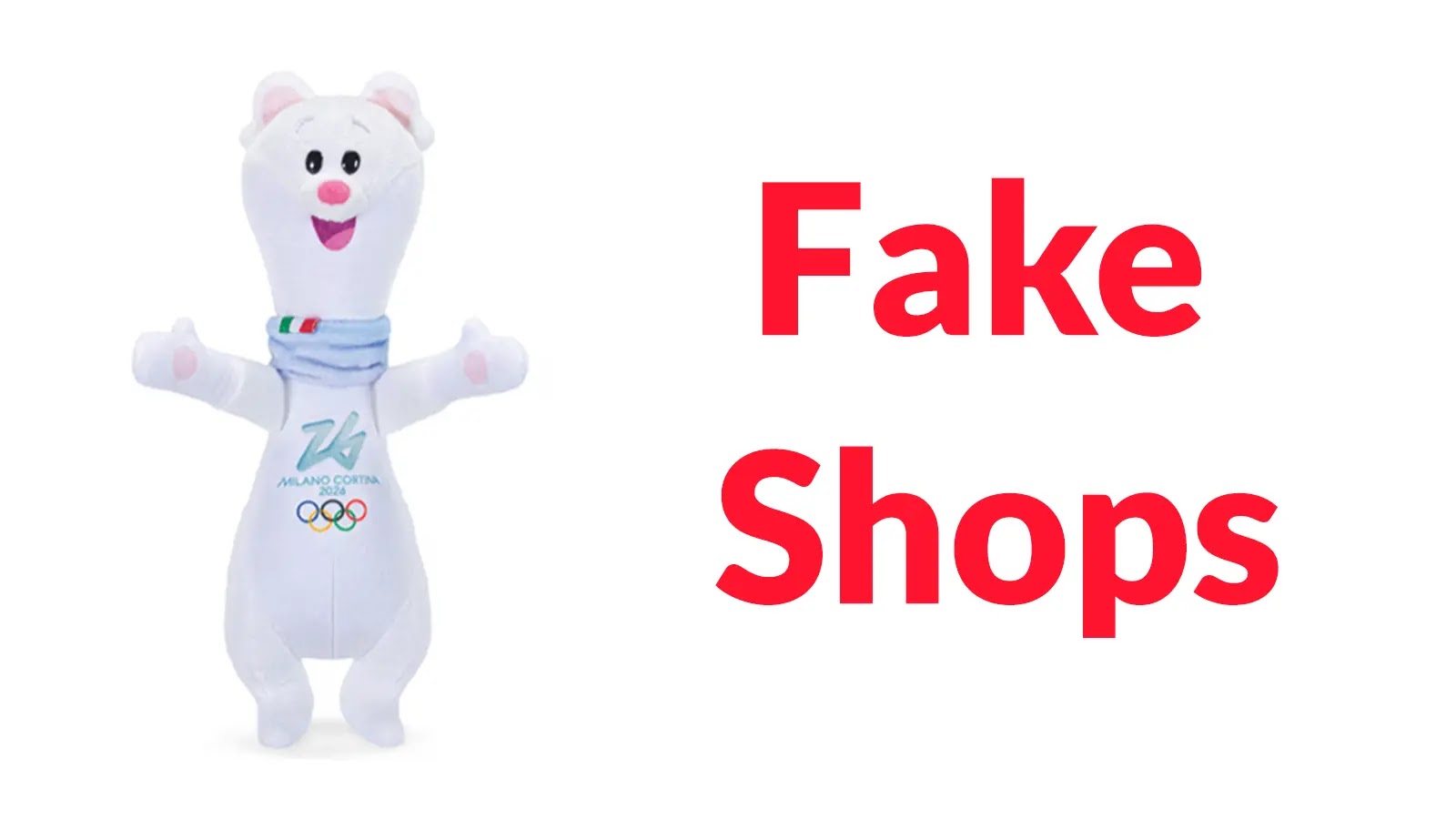
This organized scam campaign leverages the significant demand for official Olympic mascot merchandise, particularly the highly sought-after Tina and Milo plush toys. With genuine items quickly selling out, threat actors are exploiting this scarcity to lure unsuspecting shoppers into their traps. Understanding these deceptive tactics is crucial for protecting your personal and financial integrity.
The Anatomy of the Fake Shops Scam
Cybercriminals meticulously craft these fraudulent e-commerce sites to mimic legitimate online retailers. They often replicate official branding, use high-quality product images, and even feature seemingly authentic customer reviews to build trust. Their primary goal is to capitalize on the emotional connection fans have with the Olympics and their desire to own exclusive merchandise.
- Exploiting Demand: The current scarcity of popular items, like the Tina and Milo plush toys, creates a perfect storm for this scam. When genuine products are unavailable, consumers are more likely to seek alternatives, making them vulnerable to fake offerings.
- Sophisticated Infrastructure: These aren’t crude, quickly assembled phishing pages. The threat actors are deploying an extensive network of fake shops, indicating a well-resourced and coordinated campaign aimed at a broad audience of Olympic enthusiasts.
- Data Harvesting: Beyond just collecting payment card details, these fake shops are designed to gather a wealth of personal data. This information can then be used for identity theft, further targeted phishing attacks, or sold on dark web marketplaces.
Recognizing and Avoiding Malicious Merchandise Outlets
Distinguishing between a legitimate vendor and a fraudulent shop can be challenging, but several red flags can help you identify a fake site. Vigilance and a critical approach to online shopping are your best defenses against these scams.
- Unbelievable Deals: If a price seems too good to be true, it almost certainly is. Cybercriminals often use drastically reduced prices to entice buyers, knowing that affordability can override caution.
- Suspicious URLs: Always scrutinize the website address. Look for misspellings, unusual domain extensions (e.g., .xyz, .top), or URLs that don’t match the official brand. Genuine Olympic merchandise will likely be sold through highly reputable, well-known e-commerce platforms or the official Olympic store.
- Lack of Secure Transactions: Before entering any payment information, verify that the website uses an HTTPS connection (indicated by a padlock icon in the browser’s address bar). While HTTPS doesn’t guarantee legitimacy, its absence is a definitive warning sign.
- Poor Grammar and Spelling: Professional, established online retailers invest in quality content. Frequent grammatical errors, typos, or awkward phrasing on a website can indicate a hurried, amateurish setup often associated with scam operations.
- Unusual Payment Methods: Be wary if a site only offers obscure payment options or requests direct bank transfers, cryptocurrency, or gift cards. Reputable merchants typically provide secure and widely recognized payment gateways.
- Absence of Contact Information: A legitimate business will have clear, accessible contact details, including a physical address, phone number, and customer service email. Scammers often omit this information or provide non-functional details.
Remediation Actions and Best Practices for Online Shoppers
Protecting yourself from fake online shops requires proactive measures and a healthy dose of skepticism. By adopting these best practices, you can significantly reduce your risk of falling victim to these Olympic-themed scams.
- Source Verification: Always begin your merchandise search from the official Milano Cortina 2026 Winter Olympics website or official partners. These sites will direct you to authorized retailers.
- Research Unfamiliar Retailers: If you find a store advertising Olympic merchandise that you’ve never heard of, conduct thorough online research. Look for independent reviews, check for news articles, and see if there are any warnings about the site.
- Use Strong, Unique Passwords: Even if a site appears legitimate, using strong, unique passwords for all your online accounts minimizes the risk of compromise if that site’s security is later breached. Consider a password manager.
- Enable Two-Factor Authentication (2FA): Where available, activate 2FA on your online shopping and financial accounts. This adds an extra layer of security, making it much harder for unauthorized users to access your accounts even if they have your password.
- Monitor Bank Statements: Regularly review your credit card and bank statements for any unauthorized or suspicious transactions. Report discrepancies immediately to your financial institution.
- Use Credit Cards for Purchases: Credit cards often offer better fraud protection than debit cards. In case of a fraudulent transaction, it’s generally easier to dispute charges and recover funds when using a credit card.
- Avoid Clicking Suspicious Links: Be extremely cautious of links received in unsolicited emails, text messages, or social media posts, even if they appear to be related to the Olympics. Always navigate directly to official websites.
- Update Your Devices: Ensure your operating system, web browser, and antivirus software are always up to date. Security updates often patch vulnerabilities that cybercriminals exploit.
Reporting Suspected Scams
If you encounter a fake Olympic merchandise site, it’s vital to report it. Doing so helps protect other potential victims and aids law enforcement in disrupting these criminal operations.
- National Consumer Protection Agencies: Report the scam to your country’s relevant consumer protection agency or fraud reporting center.
- Cybersecurity Authorities: Contact national cybersecurity agencies or internet crime complaint centers.
- Domain Name Registrars: If you can identify the domain registrar, you can often report abuse directly to them.
- Social Media Platforms: If the scam is being promoted on social media, report the posts or profiles to the platform administrators.
The allure of collecting commemorative items from events like the Winter Olympics is strong, but it’s essential to channel that enthusiasm safely. Cybercriminals will persistently exploit popular events and high-demand products to orchestrate their schemes. By understanding their tactics, recognizing the warning signs of a fake shop, and adopting proactive security practices, fans can protect themselves from financial loss and identity theft, ensuring their focus remains on the thrill of the games, not the aftermath of a scam.