Beware of New Phishing Attack that Abuses Cloudflare and ZenDesk Pages to Steal Logins
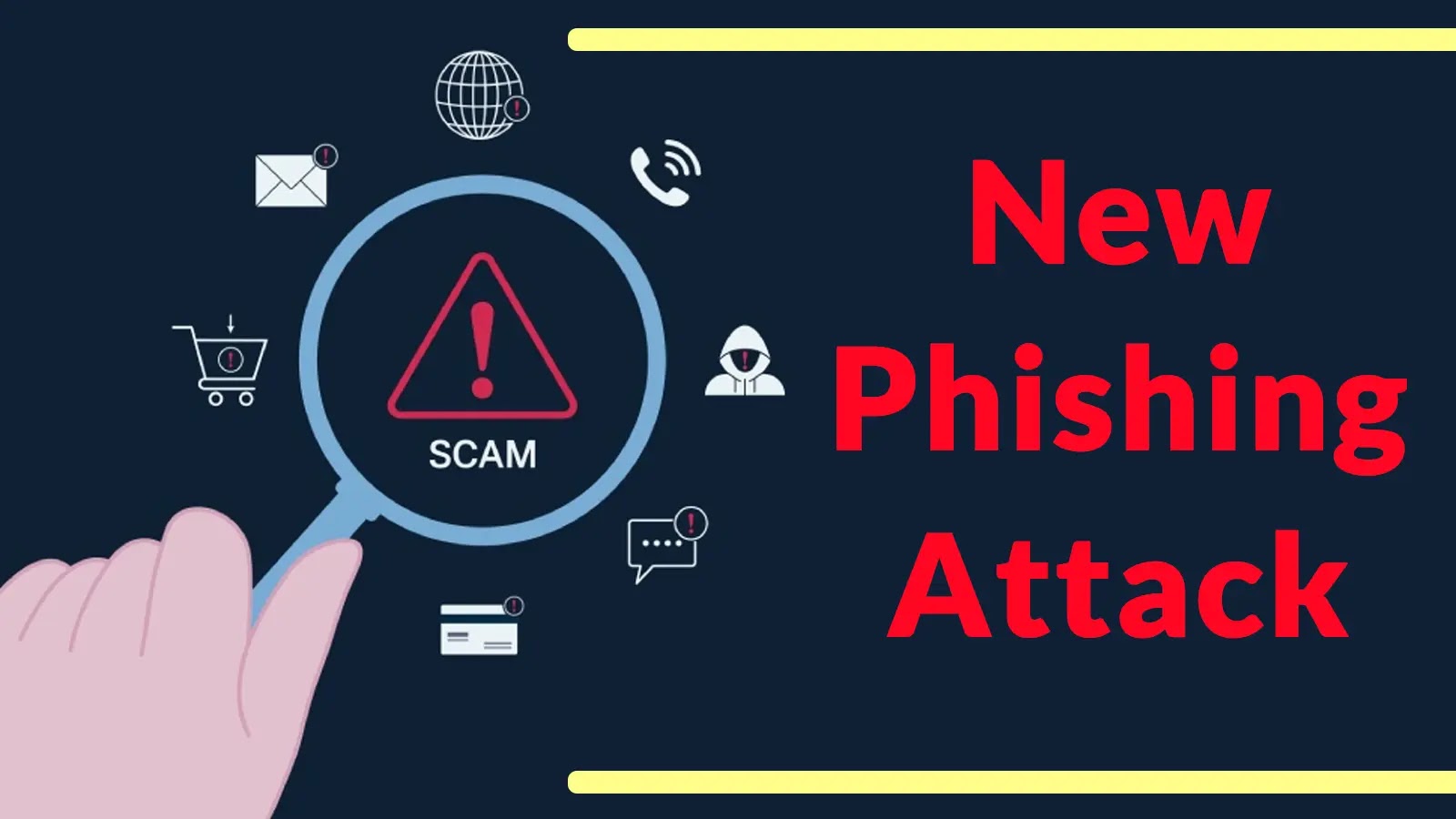
In the evolving landscape of cyber threats, the sophistication of phishing attacks continues to escalate. A particularly concerning new campaign has emerged, demonstrating a troubling trend: the weaponization of trusted cloud services. Threat actors are now cleverly exploiting legitimate platforms like Cloudflare Pages and ZenDesk to launch large-scale credential theft operations, masquerading their malicious intent behind the very infrastructure designed for reliability and service. This tactic, which leverages the inherent trust users place in these platforms, significantly amplifies the success rate of such social engineering attacks.
Understanding the Cloudflare and ZenDesk Phishing Tactic
This recent phishing campaign distinguishes itself by moving beyond traditional rogue websites. Instead of setting up new, easily identifiable malicious domains, the attackers are abusing existing, reputable services. Specifically, they are leveraging:
- Cloudflare Pages: These are legitimate hosting environments offered by Cloudflare, primarily used by developers to deploy static sites and single-page applications. The attackers are deploying phishing pages directly onto Cloudflare Pages, benefiting from Cloudflare’s robust infrastructure and the trust associated with its domain. This makes the phishing links appear more legitimate and harder for conventional security tools to flag as suspicious.
- ZenDesk Platforms: ZenDesk is a widely used customer service and support platform. Threat actors are creating fake support pages or knowledge base articles within ZenDesk, or imitating ZenDesk login portals. This capitalizes on the expectation that interactions with customer support platforms are secure and trustworthy, tricking users into revealing their login credentials.
The core of this attack is social engineering. Users receive phishing emails or messages containing links that, upon first glance, appear to direct to legitimate Cloudflare or ZenDesk URLs. Unsuspecting individuals, believing they are interacting with a genuine service, proceed to enter their sensitive login information, which is then siphoned off by the attackers.
The Escalating Threat of Trust Exploitation
The exploitation of services like Cloudflare Pages and ZenDesk represents a significant shift in phishing methodologies. It blurs the lines between legitimate and malicious infrastructure, making it increasingly difficult for users and automated systems to differentiate. The inherent trust associated with these platforms provides a powerful cloak for threat actors, enabling them to bypass traditional security filters that might flag unknown or suspicious domains. Over 600 instances of this campaign have already been identified by security researchers, underscoring its widespread nature and the urgency for heightened vigilance.
Remediation Actions for Individuals and Organizations
Combating this sophisticated phishing campaign requires a multi-layered approach, focusing on education, technical controls, and proactive monitoring.
- Enhanced User Education:
- Verify URLs meticulously: Always scrutinize the full URL, not just the visible text. Be wary of subtle misspellings or domains that seem slightly off.
- Hover before clicking: Before clicking any link, hover over it to reveal the actual destination URL.
- Be suspicious of unsolicited requests: Exercise extreme caution with emails or messages asking for login credentials, especially if they create a sense of urgency.
- Report suspicious activities: Encourage employees to report any suspected phishing attempts to the IT security team immediately.
- Implement Multi-Factor Authentication (MFA): MFA remains one of the most effective deterrents against credential theft. Even if an attacker obtains a password, MFA can prevent unauthorized access.
- Email Security Solutions: Deploy advanced email filtering solutions capable of detecting sophisticated phishing attempts, including those originating from seemingly legitimate services. These solutions often employ AI and machine learning to identify anomalous email patterns and suspicious link structures.
- Web Application Firewalls (WAFs) and Cloud Security Posture Management (CSPM): For organizations, ensure WAFs are configured to detect and block access to known malicious content, even if hosted on legitimate platforms. CSPM tools can help identify misconfigurations in cloud services that could be exploited.
- Browser Security Extensions: Utilize browser extensions that flag suspicious websites and known phishing domains.
- Regular Security Audits: Conduct regular audits of cloud service configurations to ensure they are secure and not inadvertently being abused.
Tools for Detection and Mitigation
Several tools and practices can aid in detecting and mitigating the risks associated with such phishing campaigns:
| Tool Name | Purpose | Link |
|---|---|---|
| PhishTank | Community-based phishing URL verification. | https://www.phishtank.com/ |
| Gophish | Open-source phishing framework for security awareness training. | https://getgophish.com/ |
| Cloudflare DNS Filtering | Provides protection against malicious domains at the DNS level. | https://www.cloudflare.com/dns/ |
| Proofpoint Email Protection | Advanced email security platform for threat detection and prevention. | https://www.proofpoint.com/us/products/email-security |
| Security Awareness Training Platforms | Educates users about phishing and other cyber threats (e.g., KnowBe4). | https://www.knowbe4.com/ |
Conclusion
The exploitation of Cloudflare Pages and ZenDesk for phishing campaigns underscores a critical evolution in the threat landscape. Attackers are becoming more adept at leveraging trusted infrastructure to enhance the credibility of their social engineering efforts. For individuals and organizations, vigilance, robust security practices, and continuous education are paramount. By understanding these new tactics and implementing proactive measures, we can collectively strengthen our defenses against these increasingly sophisticated threats. Always question, always verify, and never assume a link is safe simply because the domain looks familiar.