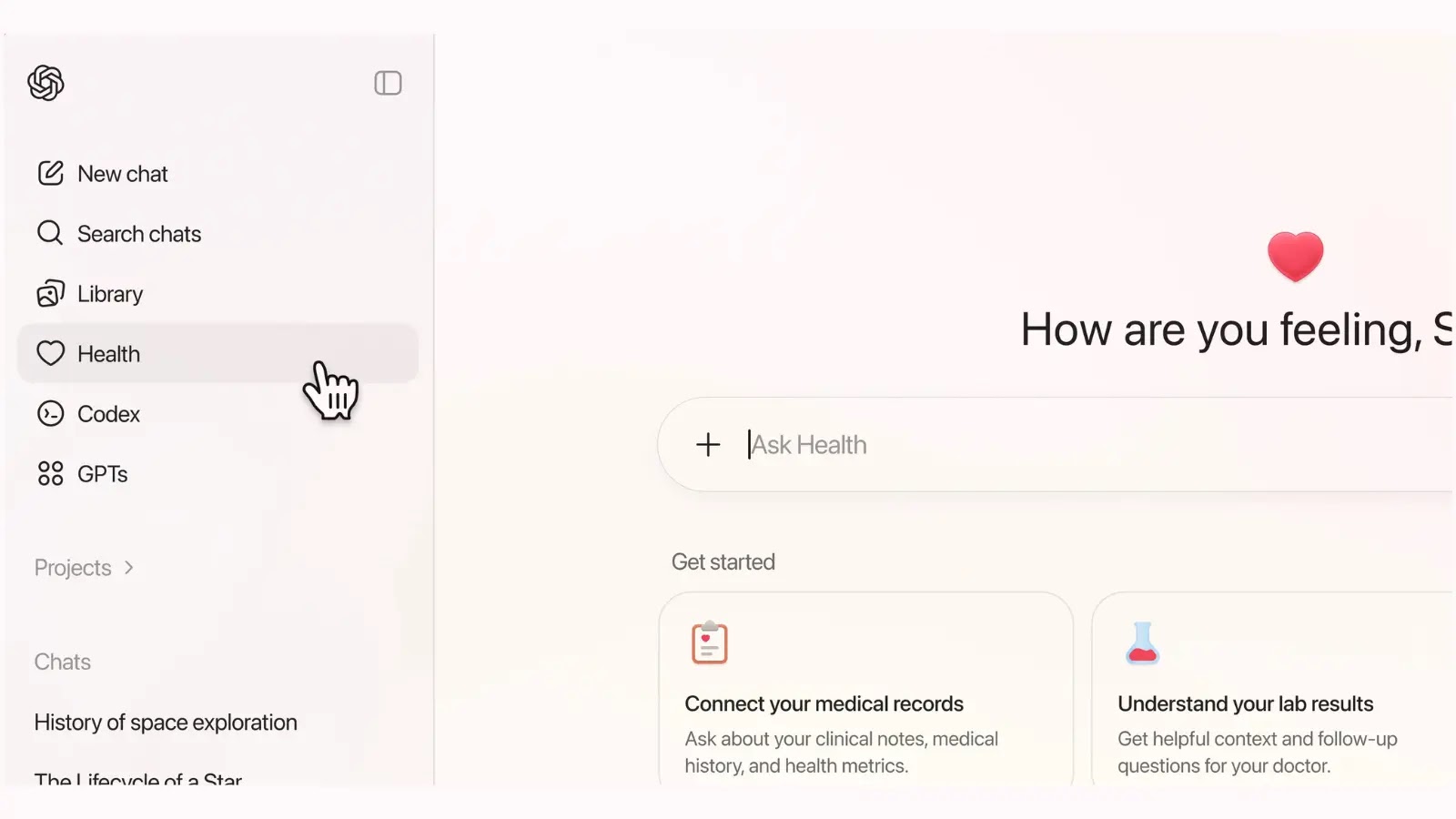
ChatGPT Health – A Dedicated Space for Health Queries With Strong Privacy and Security
Managing personal health information online has long been a delicate balance between convenience and security. The digital transformation of healthcare, while offering unprecedented access to information and support, simultaneously introduces critical concerns regarding data privacy. With an astounding 230 million weekly ChatGPT users seeking health-related insights, OpenAI has recognized this inherent tension and responded with a dedicated solution: ChatGPT Health. This specialized platform aims to provide a secure and private environment for users to explore health queries, moving beyond the general-purpose AI to a focused, protected space for sensitive medical data.
What is ChatGPT Health?
ChatGPT Health is OpenAI’s answer to the pressing demand for a secure and confidential environment when discussing health-related topics with an AI. It operates as a specialized platform, distinct from the general ChatGPT interface, specifically designed to handle the nuances and sensitivities of medical information. The core objective is to offer intelligent support for wellness questions while ensuring robust privacy and security measures are in place. This includes sophisticated encryption, stringent data handling policies, and a commitment to user control over their personal health data. By segmenting health inquiries into a dedicated platform, OpenAI aims to build a trusted space where users can feel confident sharing information crucial for personalized health assistance without fear of wider data exposure or misuse.
Addressing Privacy Concerns in Healthcare AI
The inherent sensitivity of health data makes privacy an paramount concern. In a general AI environment, the risk of sensitive medical information being inadvertently used for training data, shared with third parties, or exposed through security vulnerabilities is a constant shadow. ChatGPT Health tackles this head-on by implementing a fortified architecture. This platform is engineered with privacy-by-design principles, meaning data protection is integrated from the ground up, not as an afterthought. It likely incorporates advanced anonymization techniques, access controls, and strict data retention policies to minimize the risk associated with handling protected health information (PHI). Users will expect, and likely receive, clear disclosures on how their data is collected, processed, and stored, assuring them that their health journey remains a private one. While specific technical details on these privacy mechanisms are often proprietary, the commitment to a “secure space” implies adherence to, or even exceeding, industry compliance standards relevant to health data.
Security Features of ChatGPT Health
Beyond privacy, the security of the platform itself is foundational. For any system handling sensitive data, robust cybersecurity measures are non-negotiable. ChatGPT Health is expected to leverage state-of-the-art encryption for data in transit and at rest, protecting information from unauthorized interception or access. This includes Transport Layer Security (TLS) for communication and strong encryption algorithms for stored data. Furthermore, the platform would undoubtedly be subject to continuous security audits, penetration testing, and vulnerability assessments (e.g., proactive scanning for vulnerabilities like those identified as CVE-2023-XXXXX, if such were relevant to its underlying infrastructure). Access controls based on the principle of least privilege, multi-factor authentication for administrative access, and comprehensive logging and monitoring are also crucial components. These measures collectively aim to create a resilient defense against cyber threats, safeguarding the integrity and confidentiality of user health queries and subsequent AI interactions.
The Future of AI in Personal Health Management
ChatGPT Health represents a significant step towards the integration of AI into personal health management. By providing a secure and dedicated channel, it empowers individuals to proactively engage with their health data and seek informed perspectives on various wellness topics. This could range from understanding symptoms and exploring treatment options to managing chronic conditions and receiving personalized dietary or exercise advice. The platform’s ability to offer intelligent support securely could democratize access to health information and guidance, particularly for those in underserved communities or facing barriers to traditional healthcare. As AI capabilities advance, we can anticipate more sophisticated, contextual, and preventative health support, ultimately fostering greater health literacy and self-management among users. The success of ChatGPT Health will likely set a precedent for how other specialized AI applications handle sensitive personal data.
Key Takeaways
- The launch of ChatGPT Health addresses the critical need for a secure and private platform for health-related inquiries, driven by massive user demand.
- It’s a specialized platform designed with privacy-by-design principles to manage sensitive medical information.
- Robust security features, including advanced encryption, access controls, and continuous auditing, are integral to protecting user data.
- ChatGPT Health aims to provide intelligent support for wellness questions within a fortified digital environment.
- This initiative marks a crucial evolution in how AI interfaces with personal health, emphasizing trust, security, and user data control.