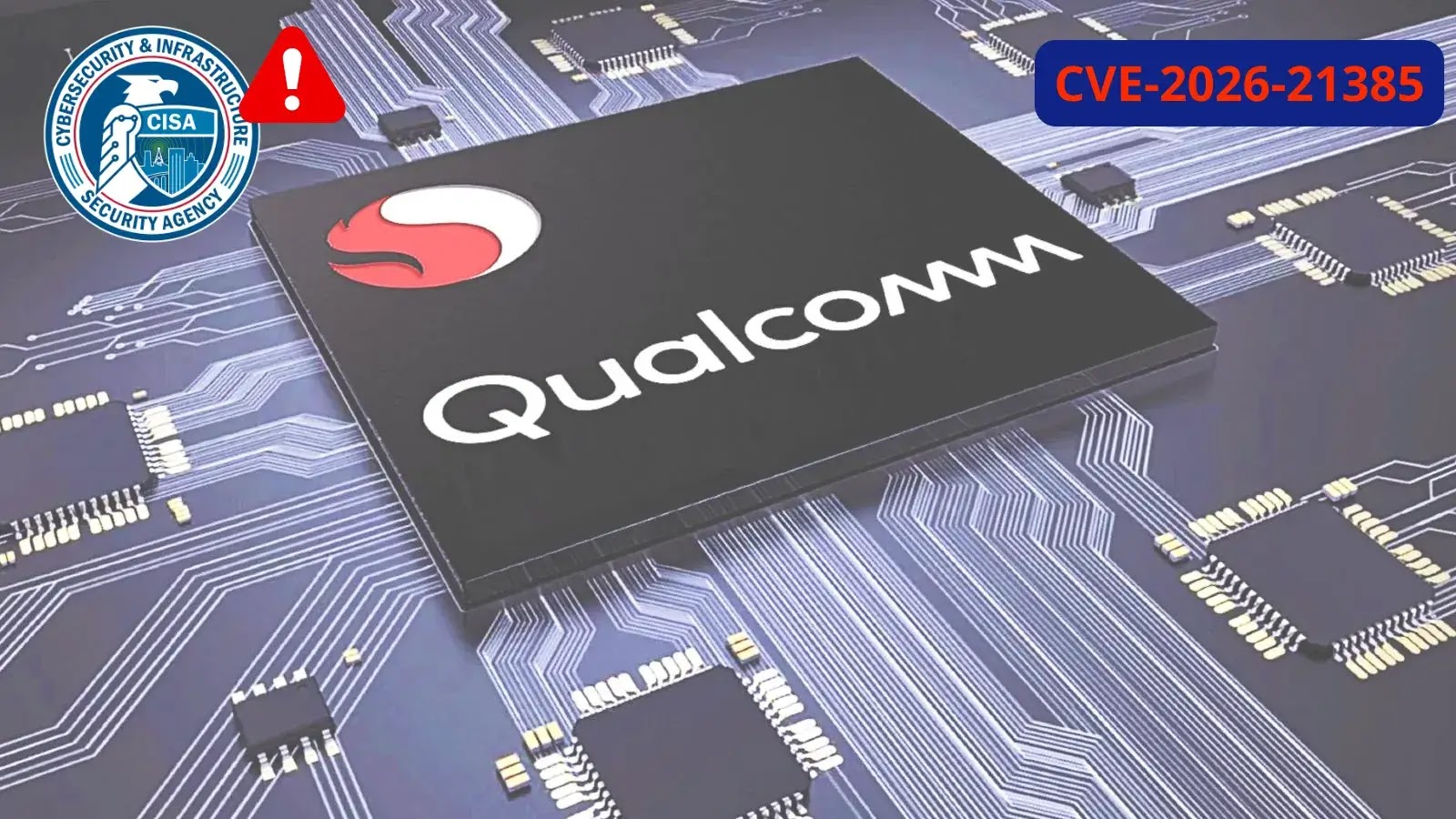
CISA warns of Qualcomm Chipsets Memory Corruption Vulnerability Exploited in Attacks
The cybersecurity landscape is constantly shifting, and few threats demand immediate attention quite like those impacting foundational hardware. CISA, the U.S. Cybersecurity and Infrastructure Security Agency, has issued a critical warning regarding a memory corruption vulnerability within Qualcomm chipsets that is actively being exploited in the wild. This isn’t a hypothetical risk; it’s a present danger requiring swift action from organizations worldwide.
For IT professionals, security analysts, and developers relying on devices powered by Qualcomm technology, understanding this threat and implementing the necessary mitigations is paramount. Ignoring such a warning from a reputable agency like CISA would be a significant oversight, potentially leading to severe security breaches, data loss, and operational disruptions.
Understanding the Qualcomm Chipset Vulnerability: CVE-2026-21385
The vulnerability in question is tracked as CVE-2026-21385. While specific public details regarding the nature of the exploit and the affected functions remain limited at this time, CISA’s intervention signals a serious and credible threat. Memory corruption flaws are particularly dangerous because they can lead to a variety of catastrophic outcomes, including:
- Arbitrary Code Execution: Attackers can inject and run malicious code on affected devices.
- Denial of Service (DoS): Causing systems to crash or become unresponsive.
- Information Disclosure: Gaining unauthorized access to sensitive data stored in memory.
- Privilege Escalation: Elevating an attacker’s access rights within a system.
The fact that CISA has added CVE-2026-21385 to its Known Exploited Vulnerabilities Catalog emphasizes the urgency. This catalog is reserved for vulnerabilities that have verifiable evidence of active exploitation, making them a top priority for remediation.
CISA’s Warning and Remediation Deadline
CISA officially cataloged CVE-2026-21385 on March 3, 2026, with an aggressive remediation deadline of March 24, 2026. This tight turnaround underscores the severity of the threat and the potential impact if left unaddressed. Federal Civilian Executive Branch (FCEB) agencies are mandated to comply with this deadline, but the warning extends to all organizations utilizing devices with Qualcomm chipsets.
While the full scope of impacted Qualcomm chipsets isn’t disclosed in public advisories, the broad nature of “Qualcomm chipsets” suggests a wide array of devices could be at risk. This includes, but is not limited to, smartphones, tablets, IoT devices, embedded systems, and potentially network infrastructure components that rely on these chipsets.
Remediation Actions: Securing Your Qualcomm-Powered Devices
Given the active exploitation and CISA’s urgent warning, immediate action is crucial. The primary recommendation is to apply vendor-provided mitigations as soon as they become available. Here’s a breakdown of actionable advice:
1. Patch Management is Paramount
- Identify Affected Devices: Conduct a comprehensive inventory of all devices within your organization that utilize Qualcomm chipsets. This may involve reviewing hardware specifications for mobile devices, IoT deployments, and specialized equipment.
- Monitor Vendor Advisories: Closely watch for security advisories and firmware updates from Qualcomm and device manufacturers (e.g., Samsung, Google, various IoT device makers, etc.). These updates will contain the necessary patches for CVE-2026-21385.
- Prioritize Patch Deployment: Once patches are released, deploy them with the highest priority. Utilize your existing patch management systems to ensure timely and widespread application across your infrastructure within CISA’s recommended timeframe.
2. Network Segmentation and Access Control
- Isolate Critical Assets: Implement network segmentation to isolate devices that might be vulnerable. This can limit the lateral movement of an attacker should a compromise occur.
- Least Privilege Principles: Ensure that all network services and user accounts operate with the principle of least privilege, minimizing the damage an attacker can inflict even if they exploit the vulnerability.
- Tighten Firewall Rules: Review and strengthen firewall rules to restrict unnecessary inbound and outbound connections to and from potentially vulnerable devices.
3. Continuous Monitoring and Threat Detection
- Implement Endpoint Detection and Response (EDR): EDR solutions can help detect suspicious activities on endpoints, potentially identifying exploitation attempts or post-exploitation behaviors even before a patch is applied.
- Network Intrusion Detection/Prevention Systems (NIDS/NIPS): Deploy and configure NIDS/NIPS to detect and potentially block known exploit patterns related to memory corruption. Stay updated with the latest threat intelligence feeds for these systems.
- Behavioral Analytics: Leverage security information and event management (SIEM) systems with behavioral analytics to flag anomalous activity that might indicate an ongoing attack.
4. Incident Response Planning
- Review and Update Plans: Ensure your incident response plan is up-to-date and includes specific procedures for responding to hardware-level vulnerabilities and potential large-scale compromises involving widespread device types.
- Conduct Drills: Perform tabletop exercises or simulations to test your team’s ability to detect, contain, eradicate, and recover from an exploit of this nature.
Tools for Detecting and Managing Vulnerabilities
While specific detection tools for a newly exploited vulnerability like CVE-2026-21385 might evolve, general vulnerability management and monitoring tools are essential for maintaining a strong security posture.
| Tool Name | Purpose | Link |
|---|---|---|
| Tenable.io / Nessus | Vulnerability scanning and management to identify known CVEs in your infrastructure. | https://www.tenable.com/ |
| Qualys VMDR | Comprehensive vulnerability management, detection, and response platform. | https://www.qualys.com/vmdr/ |
| Rapid7 InsightVM | Vulnerability management and prioritization based on risk. | https://www.rapid7.com/products/insightvm/ |
| Splunk Enterprise Security | SIEM for collecting, monitoring, and analyzing security event data. | https://www.splunk.com/en_us/software/security-information-event-management-siem.html |
| CrowdStrike Falcon Insight | Endpoint Detection and Response (EDR) for real-time threat detection and response. | https://www.crowdstrike.com/products/endpoint-security/falcon-insight-edr/ |
What This Means for Organizations
CISA’s warning about CVE-2026-21385 is a clear call to action. Organizations must treat this Qualcomm chipset memory corruption vulnerability with the utmost seriousness. The ongoing exploitation indicates that attackers are already leveraging this flaw, making proactive defense essential. Prioritizing vendor patches, bolstering network defenses, and enhancing monitoring capabilities are not merely best practices; they are critical steps to protect your organization from significant cyber threats.