Cognizant Hit With Multiple US Class-Action Lawsuits Following TriZetto Data Breach
The Aftermath: Cognizant Faces Lawsuits Post-TriZetto Data Breach
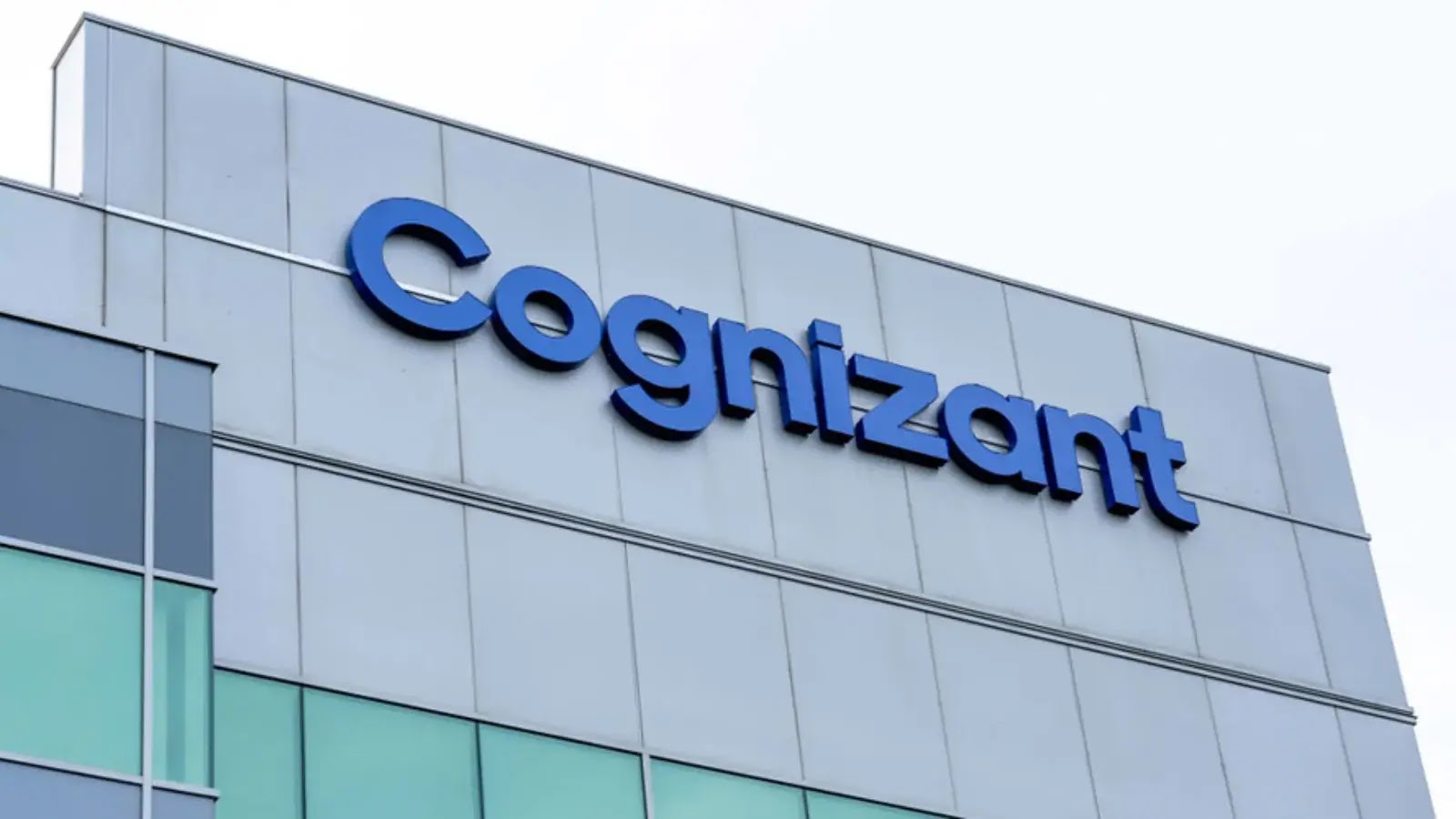
In an increasingly interconnected digital landscape, the security of sensitive personal information is paramount. When established major players in the tech and healthcare sectors suffer significant data breaches, the repercussions can be extensive and enduring. Such is the case with Cognizant Technology Solutions, which now finds itself at the center of multiple class-action lawsuits following a substantial data breach impacting its healthcare claims processing subsidiary, TriZetto Provider Solutions (TPS).
Understanding the TriZetto Data Breach Incident
The core of the issue stems from a security incident that compromised data processed by TriZetto Provider Solutions. While the full technical details of the breach are still emerging through court filings, it’s clear that unauthorized access to sensitive personal information occurred. Data breaches of this magnitude frequently involve sophisticated cyber-attacks, ranging from phishing campaigns leading to credential compromise to exploiting vulnerabilities in software or network infrastructure. The delay in disclosure of such incidents often exacerbates the impact on affected individuals and draws the scrutiny of regulators and legal entities.
Allegations of Negligence and Delayed Disclosure
The class-action lawsuits, filed in federal courts across New Jersey and Missouri, lay bare serious allegations against Cognizant. Plaintiffs claim that the company failed in its fundamental duty to adequately protect sensitive personal information. This failure, they contend, extends beyond merely being breached, encompassing a perceived lack of robust cybersecurity measures and, crucially, a delayed notification to affected parties. Timely disclosure is not just a regulatory requirement in many jurisdictions; it’s a critical step that allows individuals to take protective measures against potential identity theft and fraud.
Such lawsuits often hinge on whether a company exercised “reasonable care” in protecting data. This typically involves assessing:
- The implementation of industry-standard security protocols.
- Regular security audits and vulnerability assessments.
- Adequate employee training on cybersecurity best practices.
- Effective incident response plans, including prompt breach notification mechanisms.
Impact on Affected Individuals and the Legal Landscape
For the individuals whose data was compromised, the consequences can be significant. This often includes potential financial losses due to fraud, emotional distress, and the ongoing burden of monitoring credit reports and various accounts for unauthorized activity. The lawsuits seek to recover damages for these harms, as well as to compel Cognizant to implement stronger security measures to prevent future breaches.
From a legal perspective, these cases underscore the increasing trend of holding companies accountable for cybersecurity shortcomings. The legal landscape surrounding data privacy and breach notification continues to evolve, with regulations like GDPR, CCPA, and various state-specific laws imposing stricter obligations on organizations handling personal data. Companies found to be non-compliant or negligent in their security practices face not only legal battles but also significant reputational damage and potential regulatory fines.
Remediation Actions for Robust Cybersecurity Post-Breach
Organizations, particularly those handling vast amounts of sensitive data like Cognizant and TriZetto, must prioritize comprehensive cybersecurity strategies. While the specific exploit used in the TriZetto breach is not yet public, general best practices are always essential:
- Comprehensive Vulnerability Management: Regularly conduct penetration testing and vulnerability scanning. Promptly patch known weaknesses, especially those associated with critical CVEs (replace XXXX-XXXX with relevant CVEs once available if applicable).
- Strong Access Controls: Implement multi-factor authentication (MFA) across all systems, enforce the principle of least privilege, and regularly review user access rights.
- Data Encryption: Encrypt sensitive data both at rest and in transit. This minimizes the impact if data is exfiltrated.
- Incident Response Plan (IRP): Develop, test, and regularly update a robust IRP. This includes clear communication protocols for breach notifications to comply with legal requirements and maintain trust.
- Employee Security Awareness Training: Educate employees on phishing, social engineering, and secure data handling practices. Human error remains a significant factor in many breaches.
- Third-Party Risk Management: Thoroughly vet the security posture of all third-party vendors and subsidiaries (like TriZetto) that handle sensitive data. Ensure contractual agreements include strong security clauses and audit rights.
- Security Information and Event Management (SIEM): Utilize SIEM solutions to aggregate and analyze security logs, detecting anomalous activity indicative of an attack.
Conclusion: The Ongoing Challenge of Data Security
The lawsuits against Cognizant serve as a stark reminder of the continuous and evolving challenge of securing digital assets and sensitive personal information. They highlight the significant legal and financial ramifications for organizations that fail to uphold their duty of care. For businesses everywhere, this incident underscores the imperative for proactive, robust cybersecurity measures, transparent communication, and an unwavering commitment to protecting the data entrusted to them by their customers and partners.