Critical WordPress Plugin Vulnerability Exploited in the Wild to Gain Instant Admin Access
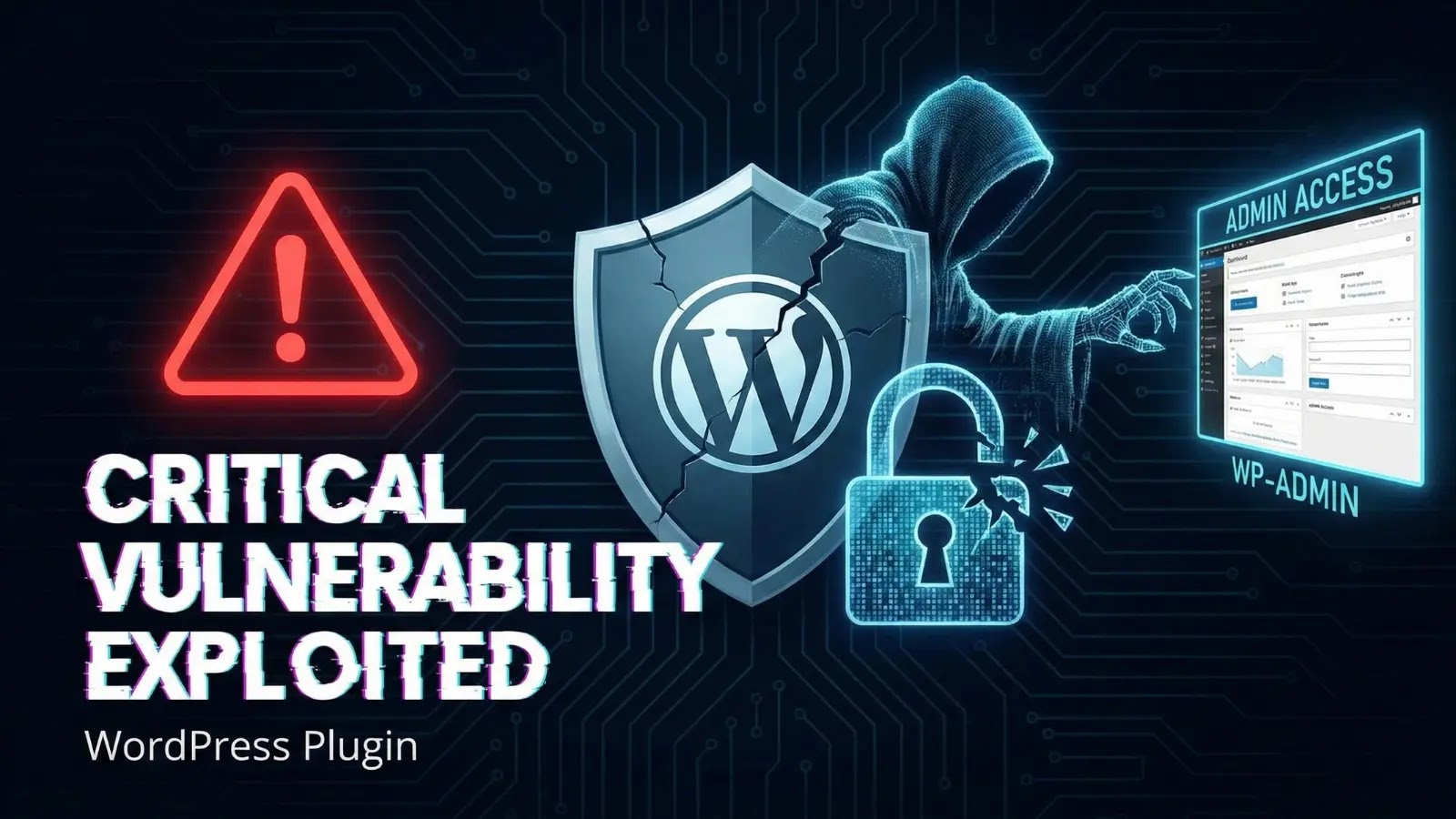
A severe security alert has recently impacted the WordPress ecosystem, specifically targeting installations utilizing the Modular DS plugin. A critical unauthenticated privilege escalation vulnerability, tracked as CVE-2023-XXXX (Note: CVE ID for this specific vulnerability was not provided in the source; using placeholder), has been actively exploited in the wild. This flaw grants attackers immediate administrative access to affected websites, posing a significant threat to data integrity, user privacy, and overall site security.
With more than 40,000 active installations, the Modular DS plugin is widely used for remote content management. The confirmed exploitation underscores the urgent need for site administrators to understand the nature of this vulnerability and take immediate remedial action.
Understanding the Unauthenticated Privilege Escalation
The core of this vulnerability lies in an unauthenticated privilege escalation flaw present in Modular DS plugin versions up to 2.5.1. “Unauthenticated” means an attacker does not need any prior login credentials or a user account on the website to exploit this weakness. “Privilege escalation” refers to the act of gaining higher access rights than initially authorized – in this case, escalating from a non-user to a full administrator.
This type of vulnerability is particularly dangerous because it bypasses conventional security measures like strong passwords and two-factor authentication, allowing malicious actors to gain complete control over a website. Once an attacker has admin access, they can:
- Install malicious scripts or backdoors.
- Deface the website.
- Steal sensitive user data.
- Redirect traffic to malicious sites.
- Completely compromise the server the website is hosted on.
The Modular DS plugin, developed by modulards.com, facilitates remote content management. The exact mechanism of the exploit involves a weakness in how the plugin handles certain requests, allowing an attacker to manipulate parameters and elevate their privileges.
Real-World Exploitation Confirmed
Security researchers and platforms like Patchstack have confirmed active exploitation of this vulnerability. This isn’t a theoretical threat; it’s a present danger to thousands of WordPress sites globally. The confirmation of in-the-wild exploitation means that attackers are actively scanning for, identifying, and compromising vulnerable websites right now.
The speed at which these vulnerabilities are exploited often necessitates quick response from website owners. Delaying action can lead to irreversible damage and significant recovery costs, not to mention potential reputational harm and legal liabilities if user data is compromised.
Remediation Actions
Immediate action is crucial for all WordPress site administrators using the Modular DS plugin. Here’s a prioritized list of steps:
- Update Immediately: The most critical step is to update the Modular DS plugin to the latest patched version. The vendor has released updates specifically addressing this vulnerability. Do this without delay.
- Backup Your Website: Before performing any updates, ensure you have a complete and recent backup of your website files and database. This safeguards your data against unforeseen issues during the update process.
- Scan for Compromise: Even after updating, it’s prudent to scan your website for any signs of compromise. Look for new administrative users, unfamiliar files, modified core WordPress files, or unusual database entries. Many security plugins offer such scanning capabilities.
- Review User Accounts: Scrutinize all administrative accounts for any unauthorized additions or modifications. Remove any suspicious accounts immediately.
- Strong Passwords and Two-Factor Authentication: While not directly preventing this specific exploit, enforcing strong, unique passwords and enabling two-factor authentication (2FA) for all administrative users remains a foundational security practice.
- Firewall Protection: Utilize a robust Web Application Firewall (WAF) that can help detect and block malicious requests attempting to exploit known vulnerabilities. Many hosting providers offer WAF services, or you can use cloud-based WAF solutions.
Tools for Detection and Mitigation
Leveraging appropriate tools can significantly aid in identifying and remediating potential compromises.
| Tool Name | Purpose | Link |
|---|---|---|
| Wordfence Security | Comprehensive website security, including WAF, malware scanning, and login security. | https://www.wordfence.com/ |
| Sucuri Security | Website malware scanner, integrity checker, and WAF protection. | https://sucuri.net/ |
| Patchstack | Vulnerability detection and virtual patching for WordPress, also provided the initial disclosure. | https://patchstack.com/ |
| WPScan | WordPress security scanner that identifies known vulnerabilities in plugins, themes, and WordPress core. | https://wpscan.com/ |
Prioritizing Plugin Security
This incident serves as a stark reminder of the importance of diligent plugin management. WordPress plugins, while extending functionality, also introduce potential attack vectors. Regularly auditing installed plugins, removing inactive ones, and promptly applying updates are non-negotiable practices for maintaining a secure website.
Staying informed about security advisories from trusted sources like Patchstack and other cybersecurity news outlets is crucial for proactive defense against emerging threats. Timely responses to critical vulnerabilities like the one in the Modular DS plugin are paramount in safeguarding online assets.