Cybersecurity Best Practices for Switch Deployment.
Network Switch Cyber Security Best Practices for Switch Deployment
In today’s interconnected world, the security of your network is paramount. Network switches, the unsung heroes of network infrastructure, play a crucial role in facilitating communication between devices. However, their ubiquitous presence also makes them attractive targets for cyber attacks. This article delves into cybersecurity best practices for securing network switches, focusing on deployment strategies and defense mechanisms against potential cyber threats.
Understanding Network Switches and Their Role in Cybersecurity
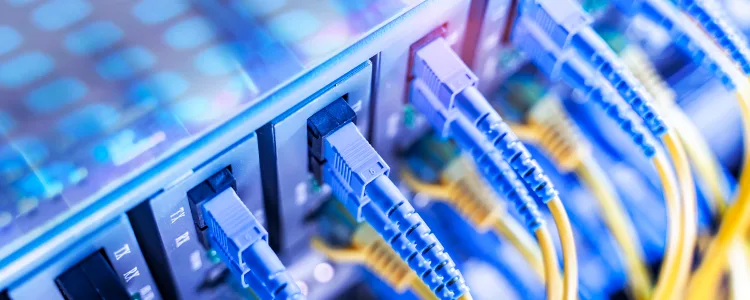
Network switches are fundamental components of any modern network, acting as central connection points for various network devices. Understanding their function and vulnerabilities is the first step in establishing robust cybersecurity. We need to recognize the critical role these devices play in maintaining the integrity and confidentiality of our data. Implementing appropriate security measures is no longer an option but a necessity.
What is a Network Switch?
A network switch is a network device that filters and forwards data packets between devices on a local area network (LAN). Unlike hubs that broadcast data to all connected devices, switches learn the MAC addresses of connected devices and forward network traffic only to the intended recipient. This intelligent forwarding capability enhances network efficiency and reduces network congestion.
Importance of Network Switches in Network Infrastructure
Network switches form the backbone of network infrastructure, enabling seamless communication between servers, workstations, and other network devices. Their role extends beyond simple data forwarding; they also provide a platform for implementing network security policies and access control. Properly configured switches are essential for maintaining network performance and ensuring that only authorized users gain access to network resources. The security best practices can improve switch security.
Common Security Threats to Network Switches
Network switches are vulnerable to various security threats, including unauthorized access, configuration tampering, and denial-of-service attacks. Cyber attackers may attempt to exploit security vulnerabilities to gain access to sensitive data or disrupt network operations. Weak passwords, unpatched firmware, and misconfigured switch port settings are common entry points for malicious actors. We must proactively address these security risks to safeguard our network infrastructure and ensure cybersecurity.
Best Practices for Securing Network Switches

Configuration Best Practices for Network Security
Effective configuration is crucial in maintaining network security. Network administrators should adhere to the principle of least privilege, granting users only the network access necessary to perform their duties. Strong passwords should be enforced for all network device accounts, and the default passwords must be changed immediately after deployment. Disabling unnecessary switch ports and services can reduce the attack surface. Regular configuration audits help identify and rectify security vulnerabilities, improving the overall security posture. The goal is to create a robust layer of security.
Implementing Access Control Measures
Implementing robust access control measures is essential for preventing unauthorized access to network resources. Network Access Control (NAC) solutions can authenticate and authorize network users before granting access to the network. Multi-factor authentication should be enabled for administrative accounts to enhance security controls. Role-Based Access Control (RBAC) ensures that users have appropriate privileges based on their roles. Monitoring and logging network access attempts can help detect and respond to suspicious activity, mitigating potential security breaches.
Utilizing Port Security Features
Utilizing port security features is a highly effective method to protect against malicious activities on the network. Port security enables you to restrict network access based on MAC addresses, limiting the number of devices that can connect to a single switch port.
This prevents unauthorized network devices from gaining access to the network. Configure port security to shut down ports automatically upon detecting unauthorized activity. Regular monitoring of port security logs is important to identify and address potential security incidents. Proactive use of these measures can prevent cyber threats.
Deploying Network Switches with Cybersecurity in Mind

Steps for Secure Switch Deployment
Secure switch deployment begins with careful planning and execution. Start by performing a risk assessment to identify potential security risks and vulnerabilities. Install the latest security patches and firmware updates to address known security vulnerabilities. Configure network switches in a secure environment before deploying them to production. Enable encryption protocols such as SSH and HTTPS for secure network management and communication. These steps are vital for establishing a solid foundation for network infrastructure security.
Network Segmentation Strategies
Network segmentation is a powerful strategy for isolating sensitive network resources and limiting the impact of security breaches. By dividing the network into smaller, isolated segments, you can restrict the movement of cyber threats and prevent them from spreading to other parts of the network. VLANs (Virtual LANs) can be used to logically segment the network. Implement strict access control policies between network segments to control network traffic flow. Network segmentation enhances the overall security posture and minimizes the potential damage from cyber attacks.
Integrating Firewalls with Network Switches
Integrating firewalls with network switches adds an extra layer of security to the network infrastructure. Firewalls act as gatekeepers, inspecting network traffic and blocking malicious activity before it reaches the network switches. Deploy firewalls at the perimeter of the network to protect against external security threats. Configure firewalls to work in tandem with network switches, enforcing security policies and access control rules. Effective integration of firewalls and switches enhances the overall network security and protects against cyber attacks.
Monitoring and Responding to Cyber Attacks on Network Switches

Identifying Security Breaches and Risks
Identifying security breaches and assessing associated security risks are critical components of a robust cybersecurity strategy. Proactive network monitoring enables network administrators to detect anomalous network traffic patterns and suspicious activity indicative of a potential cyber attack. Implementing intrusion detection systems (IDS) and intrusion prevention systems (IPS) provides real-time monitoring and automated threat response capabilities. Regular vulnerability scanning helps identify security vulnerabilities in network devices, allowing for timely remediation. Thorough risk assessments inform the development of effective security policies and incident response plans.
Protocols for Incident Response
Establishing clear protocols for incident response is essential for minimizing the impact of security breaches and ensuring business continuity. An incident response plan should outline the steps to take when a cyber attack is detected, including containment, eradication, and recovery. The plan should define roles and responsibilities for incident response team members. Regular testing of incident response procedures helps identify areas for improvement and ensures preparedness. Following established protocols enables a swift and coordinated response to cyber threats, minimizing downtime and data loss. This best practice improves overall network security.
Regular Audits and Security Assessments
Regular audits and security assessments are crucial for maintaining a strong security posture. Security audits evaluate the effectiveness of existing security controls and identify potential security vulnerabilities. Penetration testing simulates cyber attacks to assess the resilience of network infrastructure. Security assessments provide an objective evaluation of the organization’s security policies, procedures, and infrastructure. Addressing findings from audits and assessments helps strengthen security and reduce the risk of security incidents. These efforts ensure ongoing compliance with security best practices and regulatory requirements, enhancing overall cybersecurity.
Future Trends in Network Switch Security
-
AI-based threat detection – Switches will use AI to automatically find and block suspicious activities.
-
Zero-Trust security – Every device will be verified before accessing the network, even inside the LAN.
-
Stronger encryption – Switches will support advanced, future-proof encryption to protect data.
-
Built-in automation – Security tasks like updates and policies will be applied automatically.
-
Programmable security features – Switches will allow custom, flexible security rules that adapt to new threats.
Evolving Cybersecurity Threats
The cybersecurity landscape is constantly evolving, with cyber threats becoming increasingly sophisticated. As network infrastructure becomes more complex, new attack vectors emerge, targeting vulnerabilities in network devices and applications. Cyber attackers are leveraging advanced techniques such as AI-powered malware and zero-day exploits to bypass traditional security measures. Staying ahead of these evolving security threats requires continuous monitoring, threat intelligence sharing, and proactive security measures. Understanding these trends is vital for developing effective cybersecurity strategies and protecting against emerging security risks.
Innovations in Switch Security Technologies
Innovations in switch security technologies are driving enhanced protection against cyber attacks. Next-generation network switches incorporate advanced security features such as embedded firewalls, intrusion detection and prevention systems, and threat intelligence integration. These technologies enable real-time threat detection and automated response, enhancing the overall security posture. Software-defined networking (SDN) allows for centralized network management and dynamic security policy enforcement. Continuous innovation in switch security technologies is essential for keeping pace with the evolving cyber threat landscape and ensuring infrastructure security.
The Role of AI and Machine Learning in Network Security
AI and machine learning are playing an increasingly significant role in network security. These technologies can analyze vast amounts of network traffic data to identify anomalous patterns and detect potential cyber attacks. Machine learning algorithms can learn from past security incidents and predict future security threats. AI-powered security tools can automate threat detection, response, and remediation, reducing the burden on security teams. The integration of AI and machine learning enhances the effectiveness of network security measures and improves the ability to defend against advanced security threats. The use of AI and machine learning provides an enhanced layer of security for network infrastructure.

What are the cybersecurity best practices for switch deployment?
Cybersecurity best practices for switch deployment include implementing strong access controls, regularly auditing network activity, and configuring security protocols such as port security. Additionally, using a secure virtual private network (VPN) can enhance the security of the entire network by encrypting data transmissions.
How can I improve access control to the switch?
To improve access control to the switch, ensure that only authorized personnel can access the management interface. This can be done by implementing robust security measures such as role-based access controls and enforcing strong passwords. Additionally, consider configuring specific switch ports to limit access to the network for unauthorized devices.
What role do regular security audits play in network security?
Regular security audits are crucial in identifying vulnerabilities within the network infrastructure. They help organizations assess the effectiveness of current security practices, detect potential security breaches, and ensure compliance with security standards. By conducting these audits, businesses can implement necessary configuration changes to enhance the overall security posture.
How does implementing network segmentation improve cybersecurity?
Implementing network segmentation is a key strategy in improving cybersecurity. By dividing the network into multiple segments, organizations can contain potential security threats, limit access to sensitive data, and effectively manage network traffic. This practice also allows for more tailored security measures to be applied to different types of network segments.
What are the security risks associated with connecting to the network?
Connecting to the network can expose organizations to various security risks, including cyber attacks and unauthorized access. Without proper security measures in place, network devices may become vulnerable to exploitation. Therefore, it is essential to implement security protocols and practices that safeguard against these threats.
How can I enable port security on my network switch?
To enable port security on your network switch, access the switch configuration interface and configure the desired ports to restrict access based on MAC addresses. This can help prevent unauthorized devices from connecting to the network, thereby enhancing the overall security of your network infrastructure.
What are the best practices for securing physical network infrastructure?
Securing the physical network infrastructure involves implementing robust physical security measures such as surveillance cameras, access control systems, and secure server rooms. Limiting physical access to network devices is essential to protect against tampering and unauthorized access, which could lead to significant security breaches.
How can I utilize security information and event management (SIEM) in my network design?
Utilizing security information and event management (SIEM) in your network design allows for real-time monitoring of network activity and centralized logging of security events. This information is critical for detecting anomalies, responding to security threats, and maintaining compliance with regulatory requirements. Integrating SIEM solutions can enhance the overall security posture of the network.
What types of network security protocols should be implemented?
Implementing a variety of network security protocols is essential for protecting data integrity and confidentiality. Common protocols include Secure Sockets Layer (SSL), Internet Protocol Security (IPsec), and Transport Layer Security (TLS). Ensuring that robust security protocols are in place is vital for defending against potential cyber threats and maintaining secure communications within the network.