Cybersecurity for Remote Work: Challenges and Solutions.
Remote Work Force Cybersecurity: Challenges and Solutions
The digital landscape has undergone a seismic shift, largely propelled by the increasing prevalence of remote and hybrid work models. As organizations embrace the flexibility and cost-effectiveness of remote work, they simultaneously confront a complex web of cybersecurity challenges. This article aims to explore these challenges and provide actionable security solutions, empowering businesses to secure their remote workforces effectively. By understanding the unique threats posed by remote environments and implementing robust security practices, organizations can maintain productivity while mitigating risk.
Understanding Remote Work and Cybersecurity

The Rise of Remote Work
The shift to remote work has been accelerated by technological advancements and evolving workforce expectations. Remote work environments are increasingly common, offering employees flexibility and autonomy. The rise of remote work has reshaped traditional work environments, requiring organizations to adapt their security policies. The traditional perimeter-based security model is no longer sufficient in the age of remote work, necessitating a more comprehensive approach. As more organizations adopt remote work policies, securing remote workforces becomes a critical imperative. Many companies now operate with a hybrid work approach. This demands robust, scalable, and adaptable security measures that can protect data and assets across diverse locations and devices.
Defining Cybersecurity in the Age of Remote Work
Cybersecurity in the age of remote work extends beyond traditional network security to encompass endpoint security, cloud security, and data security. It involves implementing security controls and protocols to protect remote employees and their devices from cyber threats. Remote work cybersecurity also includes regular security audits and security awareness training to educate remote workers about phishing attacks and other security risks. Defining cybersecurity in this context means safeguarding sensitive data and systems against unauthorized access, use, disclosure, disruption, modification, or destruction. Cybersecurity best practices also mandate that organizations establish clear security policies and enforce compliance across all remote work environments to enhance security.
Cybersecurity Risks in Remote Work Environments
Remote work introduces a myriad of cybersecurity risks, including the use of personal devices for work purposes, unsecured home networks, and increased susceptibility to phishing attacks. Remote workers are often outside the protective umbrella of the corporate network, making them vulnerable to various cyber threats, especially over home wi-fi. A data breach can have devastating consequences, including financial losses, reputational damage, and legal liabilities. Therefore, it is essential to implement robust security strategies to mitigate these risks. Enhancing endpoint security, securing remote access, and providing cybersecurity training are crucial steps in securing remote workforces. Organizations must address these cybersecurity challenges proactively to maintain a strong security posture for their remote teams.
Challenges of Remote Work Cybersecurity
Unique Cybersecurity Challenges for Remote Workers
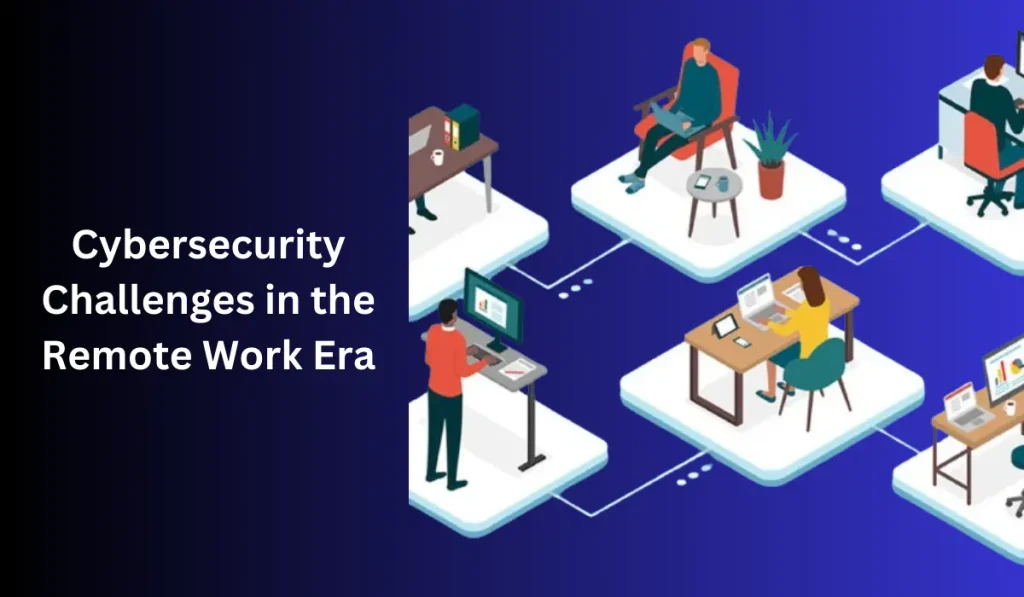
Unique cybersecurity challenges arise for remote workers due to their operating environments. Remote working often involves specific situations that increase risk. These situations include:
- Using personal devices on home networks, which may lack the security protocols of a corporate network.
- Exposure to increased security risks and cyber threats.
Ensuring secure remote work requires addressing these vulnerabilities with specialized security solutions. Remote work security also demands continuous security awareness training to educate employees about phishing attacks and other cybersecurity risks that specifically target remote work environments. We recognize the paramount importance of securing remote work forces. That’s why we provide robust cybersecurity training to help employees work securely from home. security practices.
Common Security Risks in Hybrid Work Models
Hybrid work models, blending traditional office and remote work, present unique security challenges. These arise because employees moving between locations can expose sensitive data if security isn’t consistent. Some of the common security risks associated with hybrid work include:
- Unsecured remote access increases vulnerability to cyberattacks, highlighting the need for robust cybersecurity measures.
- Inconsistent security policies across different work environments can create significant challenges in remote work.
Addressing these challenges is vital, as is mitigating the potential for data leakage when personal devices are used for work. Cybersecurity training must focus on maintaining a strong security posture regardless of the work environment to safeguard your enterprise and ensure tomorrow’s success. Therefore it’s very important that all your remote employees work follow the best security practices to mitigate challenges in remote work.
Impact of Remote Work on Workforce Security
The shift to remote work significantly impacts workforce security, necessitating a reevaluation of traditional security strategies. The increased reliance on cloud security and remote access creates new attack vectors for cyber criminals. A data breach originating from a remote work environment can have far-reaching consequences, affecting the entire organization. Therefore, implementing robust security controls, conducting regular security audits, and providing comprehensive cybersecurity training are crucial for mitigating these risks. We assure your infrastructure is secure and safe, protecting the organization from potential security incidents and enhancing overall remote work cybersecurity. It’s important to use security tools to secure remote work.
Best Practices for Securing Remote Workforces

Implementing Secure Remote Work Policies
Implementing secure remote work policies is fundamental for maintaining cybersecurity awareness among employees who work from home. Organizations must establish clear guidelines regarding the use of personal devices, remote access protocols, and data security practices. These policies should address password management, acceptable use of company resources, and procedures for reporting security incidents. Consistent enforcement of these security policies across all work environments is essential for creating a remote work environment that is safe and productive. By implementing these security measures, organizations can reduce the security risk associated with remote workforces, ensuring the protection of sensitive information and systems. Don’t let your remote employees get caught out.
Cybersecurity Training for Remote Workers
Cybersecurity training for remote workers is crucial in mitigating cybersecurity risks. Remote employees need to be educated about phishing attacks, social engineering tactics, and other cyber threats that specifically target remote work environments. Security awareness training should also cover security best practices for securing home networks and personal devices. Regular security updates and simulations can help reinforce security protocols and keep the remote workforce vigilant. Investing in comprehensive cybersecurity training enhances workforce security, making remote employees a strong line of defense against cyber threats. Safeguarding your enterprise, ensuring tomorrow’s success with our high quality cybersecurity training.
Tools and Technologies for Remote Work Security
Utilizing the right security tools and technologies is essential for securing remote workforces. Endpoint security solutions, such as antivirus software and intrusion detection systems, are vital for protecting remote worker devices from security threats. Remote access solutions, like virtual private networks (VPNs), create secure remote connections. Cloud security measures, including data encryption and access controls, safeguard data stored in the cloud. Implementing multi-factor authentication adds an extra layer of security to prevent unauthorized access. By leveraging these security tools, organizations can enhance their remote work security and minimize the impact of potential security incidents. Act now to safeguard your endpoints and improve your overall security posture.
Solutions to Overcome Cybersecurity Challenges
Developing a Comprehensive Cybersecurity Strategy
Developing a comprehensive cybersecurity strategy is essential for securing remote work environments. cybersecurity strategy is paramount for addressing the cybersecurity challenges associated with remote work. This strategy should encompass risk assessments, security policies. Incident response plans are crucial for remote teams to effectively manage cybersecurity challenges. Teamwin Global Technologica provides a comprehensive suite of IT security solutions, including advanced firewalls (FortiGate, Sophos, Checkpoint), robust endpoint security (Sentinel One, Crowd strike), privileged access management (PAM), and enterprise CCTV/biometric systems. Our expertise in cloud security and regulatory assurance directly addresses compliance needs. By defining clear roles and responsibilities and allocating resources effectively, organizations can create a strong foundation for mitigating cyber threats in remote work environments. This is a critical step in securing remote workforces.
Monitoring and Responding to Cyber Threats
Monitoring and responding to cyber threats promptly is crucial for minimizing the impact of security incidents. Proactive Threat Management services focus on continuously monitoring for cyber threats. Implementing rapid responses to prevent and mitigate attacks. TeamWin offers real-time Dark Web monitoring. We offer 24/7 support and monitoring, ensuring immediate assistance and reliable security solutions whenever needed. Regular security audits can help identify vulnerabilities and ensure compliance with security protocols. By developing effective incident response plans and conducting regular security awareness training, organizations can enhance their ability to detect, contain, and recover from cyber attacks. The focus is on ensuring that any data breach is quickly noticed.
Continuous Improvement of Remote Work Security Measures
Continuous improvement of remote work security Measures to enhance cybersecurity awareness are essential for staying ahead of evolving security threats. cyber threats. Regularly reviewing and updating security policies and procedures is crucial for adapting to new risks. Expert Network security is crucial for securing remote work environments effectively. Assessment provides a thorough evaluation of a client’s A strong network security posture is vital for protecting remote workers from evolving security threats., identifying pain points and recommending appropriate security solutions. We also offer Internal Networking, which supports employees’ personal and professional growth through a robust internal network infrastructure. Conducting periodic security assessments, soliciting feedback from remote employees, and staying informed about industry best practices can help identify areas for improvement. We are dedicated to ensuring that every interaction leaves you feeling valued and inspired.

5 Surprising Facts About Cybersecurity for Remote Work Challenges and Solutions
- Over 70% of remote workers admit to using personal devices for work, increasing vulnerability to cyberattacks.
- Phishing attacks targeting remote workers have surged by 400% since the onset of the pandemic.
- Nearly 60% of organizations lack a comprehensive cybersecurity policy tailored for remote work environments.
- Remote work can lead to a 30% increase in insider threats as employees become more isolated.
- Companies that invest in cybersecurity training for remote employees see a 50% reduction in successful cyberattacks.
What are the unique cybersecurity challenges in remote work?
Remote work has introduced new cybersecurity challenges, including increased risk of security breaches due to unsecured home networks and personal devices. Employees working remotely may not have the same level of security as they would in a corporate office, making it easier for cyber threats to infiltrate company systems.
How can organizations implement robust security measures for their remote workforce?
To ensure that remote employees are protected, organizations should implement robust security measures such as VPNs, multi-factor authentication, and regular security patches. These tools help to secure remote access and protect sensitive data from unauthorized access.
What are some practical solutions to address cybersecurity threats in remote work settings?
Practical solutions include providing cybersecurity training to employees, establishing a culture of security awareness, and utilizing endpoint protection solutions. These measures empower employees to recognize potential threats and take appropriate actions to mitigate risks.
What key challenges do security teams face in remote work environments?
Security teams face key challenges such as managing diverse devices and platforms, ensuring compliance with security policies, and addressing the varying levels of cybersecurity knowledge among employees. These challenges require strategic planning and continuous monitoring of security protocols.
How do security risks evolve as remote work becomes more common?
As remote work becomes a norm, security risks evolve to include phishing attacks targeting remote workers, unsecured Wi-Fi networks, and the potential for data leakage from personal devices. Organizations must stay updated on the latest security threats and adapt their strategies accordingly.
What cybersecurity best practices should remote workers follow?
Remote workers should follow cybersecurity best practices such as using strong, unique passwords, regularly updating software, and being cautious of suspicious emails. Additionally, employing security tools like antivirus software can enhance their security posture while working from home.
How can we create a culture of security awareness among remote teams?
Creating a culture of security awareness among remote teams involves regular training sessions, sharing updates about potential cyber threats, and encouraging open discussions about security concerns. This proactive approach helps employees feel responsible for maintaining a secure remote work environment.
What are the risks associated with remote work and how can they be mitigated?
The risks of remote work include exposure to cyber threats, potential data breaches, and challenges in maintaining effective communication between teams. To mitigate these risks, companies should enforce strict security policies, provide necessary training, and ensure that robust security measures are in place.