Cybersecurity in Blockchain Technology
Cybersecurity: The Role of Blockchain Technologies in Enhancing Cybersecurity
In today’s digital landscape, cybersecurity threats are ever-evolving and increasingly sophisticated. Traditional security measures often struggle to keep pace with these emerging dangers. This article explores how aspects of blockchain can transform cybersecurity practices. blockchain technologies, renowned for their inherent security features, can enhance cybersecurity and provide innovative solutions to protect sensitive data and critical infrastructure.
Understanding Blockchain Technologies
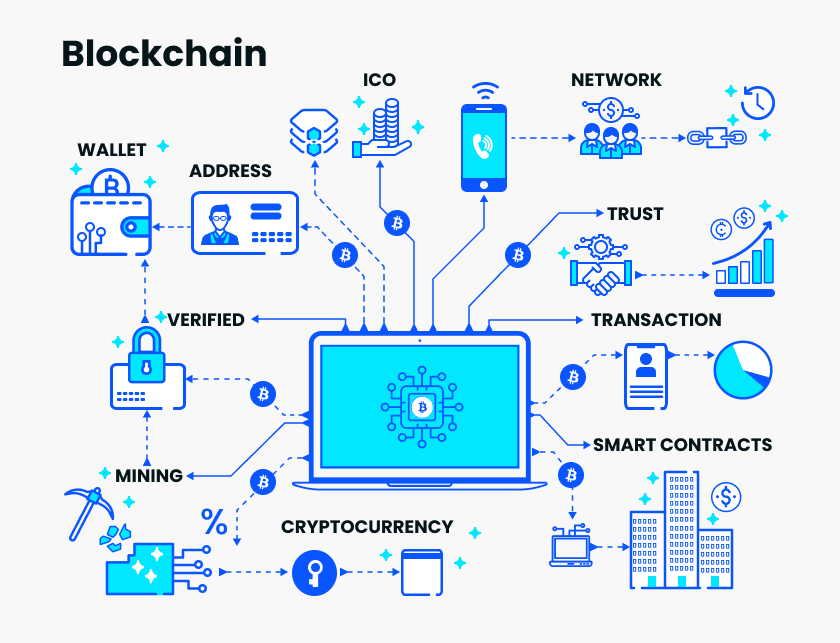
Blockchain technologies are revolutionizing data security and integrity across various sectors. By leveraging blockchain, organizations can enhance security and protect against cyber threats more effectively than with traditional security measures, particularly in the event of a security breach. The application of blockchain in cybersecurity offers a robust and decentralized approach to safeguarding digital assets.
What is Blockchain?
Blockchain is a distributed ledger technology that records transactions across many computers. The blockchain network ensures that any alteration to a block requires the consensus of the network, making it exceptionally difficult to tamper with. The use of blockchain provides a transparent and immutable record of all transactions, enhancing data security.
How Blockchain Works
Blockchain works by grouping transactions into blocks, which are then cryptographically linked together in a chain, ensuring data on the blockchain remains secure. Each block contains a hash of the previous block, creating a secure and tamper-evident record. Leveraging blockchain in cybersecurity ensures that data breaches and unauthorized modifications are easily detectable, enhancing overall security controls.
Types of Blockchain Technologies
Blockchain technology comes in various forms. These include aspects of blockchain that enhance security measures.
- Public blockchains, which are permissionless and open for anyone to use.
- Enterprise blockchains, typically permissioned and managed by a specific organization.
- Private blockchains.
Adopting blockchain, particularly enterprise blockchains, can offer tailored security solutions.
The Role of Blockchain in Cybersecurity

The role of blockchain technology in cybersecurity is becoming increasingly vital as organizations seek more robust and decentralized security measures that leverage the impact on cybersecurity.. Blockchain provides a framework that enhances data security and protects against various cyber threats. Integrating blockchain into existing systems can create a more resilient cybersecurity posture, minimizing the single point of failure that traditional security models often face. The potential of blockchain to transform cybersecurity is substantial, making it a key area of focus for security professionals.
Enhancing Cybersecurity with Blockchain
Enhance cybersecurity by leveraging blockchain’s unique attributes, such as immutability and transparency. Blockchain in cybersecurity can offer innovative solutions for securing data, managing identities, and ensuring the integrity of transactions. Adopting blockchain technologies helps to enhance security controls and reduce the risk of cyberattacks, showcasing the robustness of blockchain. The application of blockchain provides a secure and verifiable method for handling sensitive information, ultimately strengthening an organization’s overall security framework. The blockchain platform is increasingly essential due to its decentralized nature and its impact on cybersecurity.
Blockchain Security Features
Blockchain security features are inherently designed to protect data from tampering and unauthorized access. Each block in the blockchain network contains a cryptographic hash of the previous block, making it exceptionally difficult to alter the chain without detection. The use of blockchain in cybersecurity ensures that any attempts to modify data are immediately apparent. Blockchain cybersecurity offers a robust defense against cyber threats, providing enhanced security through decentralization and cryptographic security measures. The blockchain solution is highly efficient.
Impact of Blockchain on Cybersecurity Threats
The impact of blockchain on cybersecurity is significant. Using blockchain, organizations can mitigate risks associated with data breaches, identity theft, and other cyber threats by ensuring that information on a blockchain is secure.. The use of blockchain technologies creates a secure and tamper-proof environment, minimizing the potential for malicious activities, as blockchain eliminates vulnerabilities present in traditional systems. By implementing blockchain for cybersecurity, companies can enhance security and ensure that critical data remains protected, demonstrating the impact on cybersecurity. The future of cybersecurity increasingly relies on innovative solutions like blockchain to stay ahead of evolving cyber threats and safeguard digital assets. Blockchain could protect assets.
Blockchain Technology in Securing Digital Assets

Securing Supply Chains with Blockchain
The implementation of blockchain technologies offers a transformative approach to securing supply chains. Traditional methods often suffer from a lack of transparency and traceability, making them vulnerable to fraud and inefficiencies. By leveraging blockchain, every transaction and movement of goods can be recorded on a distributed ledger, providing an immutable audit trail. The use of blockchain in cybersecurity ensures that all parties have access to the same verifiable information on a blockchain, enhancing trust and reducing disputes..
Blockchain for Cyber Threat Mitigation
Blockchain can play a crucial role in cyber threat mitigation. One of the key strengths of blockchain in cybersecurity is its decentralized nature, which eliminates the single point of failure that can be exploited in traditional systems. Adopting blockchain provides a more resilient infrastructure, reducing the risk of successful cyberattacks. Implementing blockchain helps organizations enhance security and better protect their valuable data assets by tracking the movement of sensitive assets.
Case Studies: Successful Implementations
Several organizations have successfully implemented blockchain cybersecurity solutions to address various security challenges. These case studies demonstrate the potential of blockchain technologies to enhance security and mitigate cyber threats effectively. By learning from these real-world examples, other organizations can gain insights into how blockchain can be tailored to their specific needs. Exploring blockchain applications can provide a framework for better security practices, emphasizing the robustness of blockchain.
Future of Blockchain in Cybersecurity
The future of blockchain in cybersecurity is bright, with ongoing developments promising to revolutionize how organizations protect themselves against cyber threats. As blockchain technologies continue to evolve, they will likely play an increasingly important role in enhancing security across various industries. The potential of blockchain is vast, offering innovative solutions for data security, identity management, and secure transactions. The blockchain solution will lead the future.
Emerging Trends in Blockchain Technologies
Several emerging trends in blockchain technologies are poised to impact the cybersecurity landscape. One notable trend is the development of more scalable and efficient blockchain platforms, addressing some of the limitations of earlier blockchain implementations. Another trend is the integration of blockchain with other advanced technologies, such as artificial intelligence and machine learning. Staying informed about these trends is crucial for organizations looking to enhance cybersecurity.
Challenges and Limitations
Despite its many benefits, blockchain technology also faces challenges and limitations that need to be addressed. One significant challenge is the regulatory uncertainty surrounding blockchain, which can hinder its widespread adoption. Scalability issues remain a concern, as some blockchain networks struggle to handle high transaction volumes. Additionally, the complexity of blockchain can be a barrier to entry for organizations lacking the necessary expertise. Blockchain security measures need to be improved.
Predictions for Blockchain’s Role in Cybersecurity
Predictions for blockchain’s role in cybersecurity suggest a significant increase in its adoption over the coming years. As cyber threats continue to grow in sophistication, organizations will increasingly turn to blockchain for its enhanced security features and decentralized architecture. The role of blockchain technology in cybersecurity is expected to expand beyond data security to encompass identity management, supply chain security, and more. Blockchain could protect assets effectively.
5 Surprising Facts about cybersecurity in blockchain technology
- Blockchain does not make systems invulnerable: while ledgers are tamper-evident, most successful attacks target off-chain components (exchanges, wallets, APIs), so cybersecurity in blockchain technology often focuses more on surrounding infrastructure than the chain itself.
- Immutability can amplify small mistakes: smart contract bugs and misconfigured rules are permanent on many blockchains, meaning a single coding error can lead to irreversible loss or theft.
- 51% attacks are still a real threat: smaller or newer proof-of-work/proof-of-stake networks can be overtaken by attackers who gain majority control, allowing transaction reversal or double-spend despite blockchain’s decentralization promise.
- Privacy is weaker than it looks: public ledger transactions can be deanonymized through metadata analysis, linking addresses to real-world identities unless advanced privacy-preserving techniques are used.
- Quantum computing is a looming but manageable risk: quantum algorithms threaten current cryptographic primitives used in blockchain, yet post-quantum cryptography and upgrade paths exist and are being researched to protect future cybersecurity in blockchain technology.
What is the role in securing digital systems for blockchain technology and cybersecurity?
Blockchain technology provides a tamper-evident, decentralized ledger that can improve cybersecurity by ensuring data integrity and traceability. In both public blockchain and private blockchain environments, stored on a blockchain records and cryptographic validation reduce single points of failure, while blockchain ledgers and the architecture of blockchain enable transparent auditing and stronger access controls. The nature of the blockchain and blockchain infrastructure contributes to a secure blockchain approach that complements traditional cybersecurity frameworks.
How can blockchain to enhance cybersecurity within enterprise blockchain deployments play a role in securing digital assets?
Enterprise blockchain deployments can integrate blockchain technology to enhance cybersecurity by using permissioned ledgers, role-based access, and cryptographic identity management. Implementing a blockchain solution in an enterprise often involves a management system for a blockchain and a system for a blockchain network that enforces policies, improves resilience, and supports compliance with cybersecurity frameworks. These blockchain-based cybersecurity practices help protect sensitive business data and streamline secure collaboration across organizations.
What cybersecurity applications demonstrate the role in securing digital identity using blockchain for identity?
Blockchain for identity offers decentralized identifiers and verifiable credentials that limit reliance on centralized identity providers. When identity data is stored on the blockchain or references are stored on the blockchain with off-chain storage for personal data, it enhances privacy and reduces identity theft. Different blockchain platforms and private blockchain options can be tuned to the needs of identity management, showing how blockchain facilitates secure authentication and authorization in the realm of cybersecurity.
What are the cybersecurity challenges and how do they affect the role in securing digital infrastructure?
Cybersecurity challenges in blockchain include key management, smart contract vulnerabilities, consensus attacks, and privacy concerns when data is added to the blockchain. While blockchain technology can improve resilience and integrity, adoption of blockchain also introduces new attack vectors that require updated cybersecurity frameworks, secure blockchain design, and rigorous testing of the architecture of blockchain-based systems to mitigate risks across the landscape of cybersecurity.
How does the public blockchain versus private blockchain debate influence the role in securing digital transactions?
Public blockchain offers transparency and decentralized security through open participation and broad consensus, which can reduce central points of failure. Private blockchain and enterprise blockchain provide controlled environments, enabling tailored access controls and compliance features suited for organizations, showcasing the robustness of blockchain. The choice between different blockchain platforms affects how blockchain technology and cybersecurity objectives—such as confidentiality, availability, and integrity—are balanced when implementing a blockchain solution.
In what ways can blockchain technology and cybersecurity intersect to improve cybersecurity for stored on the blockchain assets?
Blockchain-based approaches can secure records stored on the blockchain by leveraging immutability, cryptographic signatures, and distributed consensus to prevent tampering. For sensitive assets, hybrid architectures store hashes or pointers on blockchain ledgers while keeping raw data off-chain, combining the benefits of blockchain for verification with conventional encryption. This architecture of blockchain and careful design improve cybersecurity while addressing privacy and performance concerns.
What benefits of blockchain technology may be realized when integrating blockchain technology into existing security practices?
Integrating blockchain technology into existing security practices can provide benefits of blockchain technology such as enhanced auditability, tamper resistance, decentralized trust, and automated enforcement via smart contracts. These capabilities can streamline identity management, supply chain verification, and incident response workflows. When properly architected, blockchain to enhance cybersecurity also helps organizations meet regulatory requirements and strengthen their overall cybersecurity posture.
Can blockchain-based cybersecurity systems revolutionize the landscape of cybersecurity and what is their potential to revolutionize cybersecurity?
Blockchain-based cybersecurity has the potential to revolutionize cybersecurity by enabling decentralized trust, reducing dependence on centralized authorities, and creating immutable audit trails across public blockchain and enterprise blockchain uses. However, realizing this potential requires overcoming integration challenges, maturing cybersecurity frameworks, and ensuring secure key and contract management. When successful, blockchain facilitates new models of secure collaboration and data sharing that transform the landscape of cybersecurity.
What practical steps should organizations take when implementing a blockchain solution to fulfill their role in securing digital operations?
Organizations implementing a blockchain solution should assess the architecture of blockchain and select appropriate different blockchain platforms (public, private, or consortium) based on risk and governance needs. Key steps include establishing a management system for a blockchain, integrating blockchain technology with existing cybersecurity frameworks, performing threat modeling, securing private keys, conducting smart contract audits, and planning for scalability in the blockchain infrastructure. These measures help ensure blockchain technology can improve security outcomes in the realm of cybersecurity, particularly in the event of a security breach.