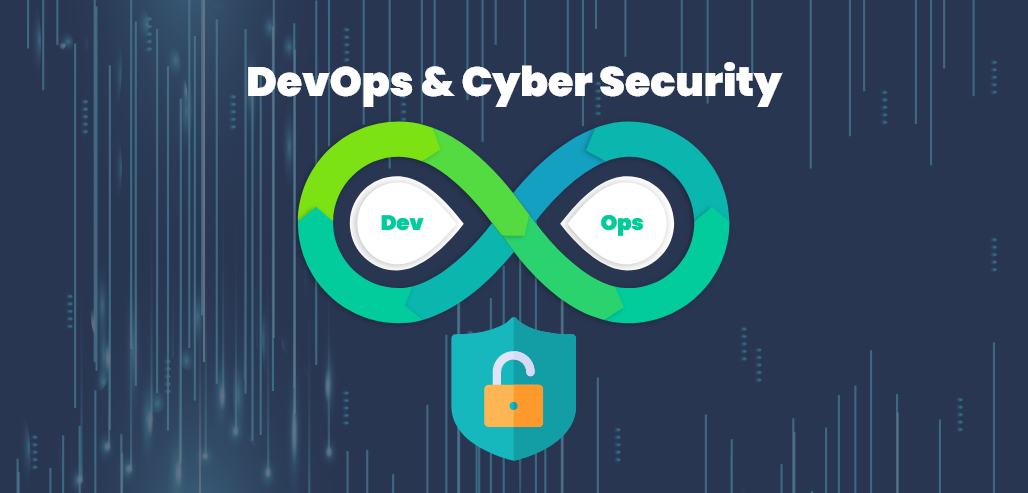
Cybersecurity in DevOps: Integrating Security Early
DevSecOps Best Practices: Integrate Security in DevOps Security
In today’s fast-paced software development landscape, integrating security into every stage of the DevOps process is not just an option but a necessity. DevSecOps represents a cultural shift that embeds security as a shared responsibility throughout the entire software development lifecycle. This proactive approach helps organizations address security early, reduce security risks, and ensure security without sacrificing speed and agility.
Understanding DevSecOps
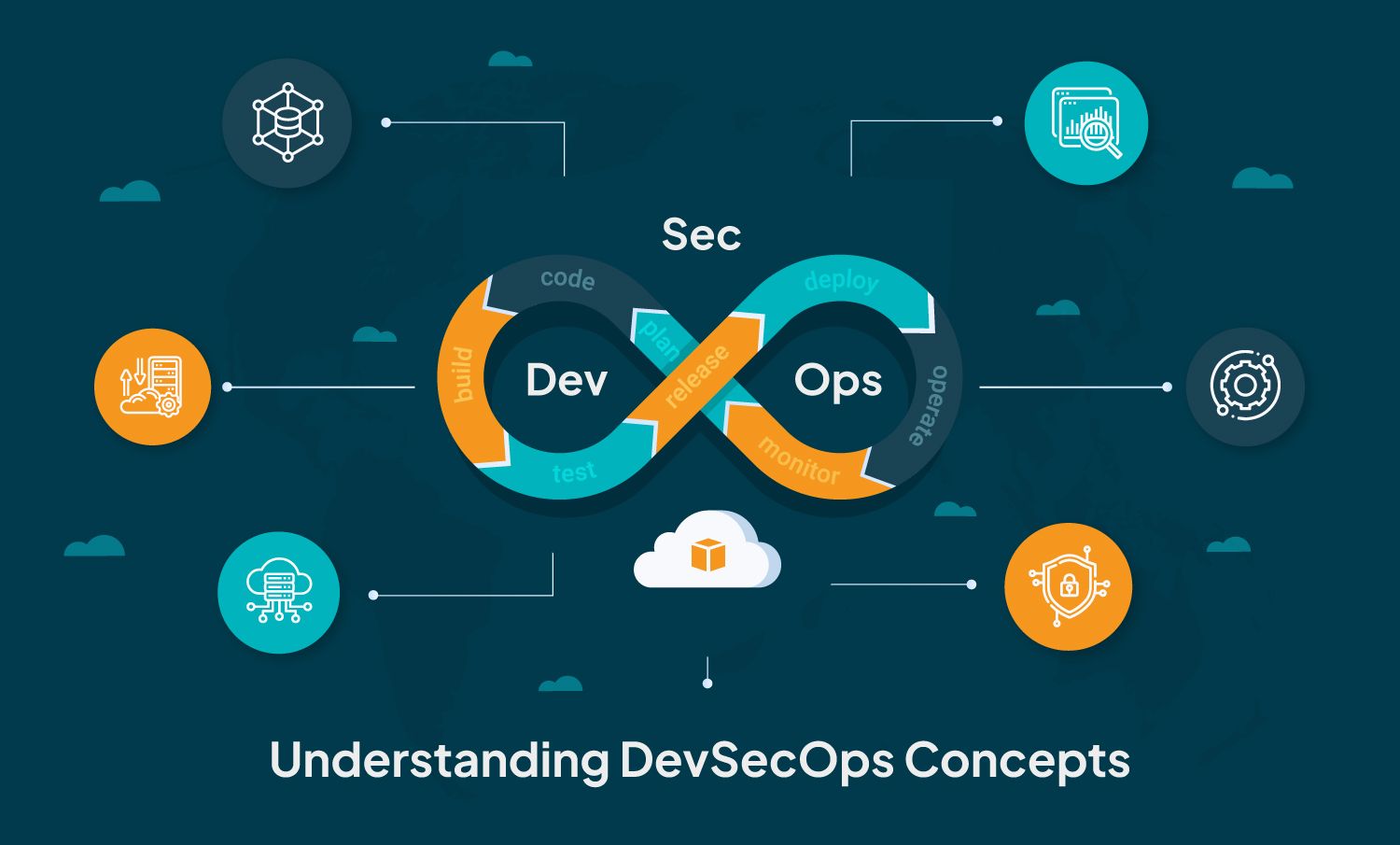
Definition of DevSecOps
DevSecOps is the integration of security practices within the DevOps process. It emphasizes that security is a shared responsibility across the entire IT lifecycle, from development to operations. By embedding security into the DevOps pipeline, DevSecOps aims to automate security, detect security issues early, and improve the overall security posture of applications. This approach ensures that security is an integral part of every stage of the development process, not an afterthought, by implementing DevSecOps principles.
Importance of Integrating Security into DevOps
Integrating security into DevOps is crucial for organizations looking to deliver secure and reliable software quickly. Traditional methods often treat security as a separate phase, leading to delays and increased costs. By integrating security into DevOps, organizations can Identify security vulnerabilities early in the development lifecycle, reducing the impact of security incidents and fostering collaboration between developers and security teams.. This approach also helps ensure security compliance and build a strong security foundation for all applications.
Key Principles of DevSecOps
DevSecOps is built upon several key principles, including the integration of security into DevOps practices. These principles include:
- Shift security left, focusing on early identification and addressing of security risks.
- Automating security, streamlining the DevOps workflow through automated testing and checks.
Encouraging collaboration between development, security, and operations teams is also crucial. This collaboration ensures security is integrated into every aspect of the development lifecycle, leading to more secure code and improved overall security.
Best Practices for Embedding Security in the DevOps Pipeline

Automate Security Testing in the Development Process
To enhance the speed and efficiency of software delivery, it is crucial to implement DevSecOps methodologies. Automate security testing throughout the entire development process to enhance container security and streamline security scanning.. By implementing automated security checks and integrating security into DevOps, organizations can identify security vulnerabilities early and address security risks effectively. Automating security testing ensures that security measures are consistently applied, reducing the likelihood of security incidents and improving the overall security posture of applications. This proactive approach not only saves time but also enhances the quality of secure code.
Utilizing Security Tools within the DevOps Pipeline
Effectively Utilizing security tools within the DevOps pipeline is essential for maintaining a strong security posture and incorporating security processes throughout the development lifecycle.. Integrating application security tools such as static analysis, dynamic analysis, and vulnerability scanners into the DevOps process enables security teams to identify and remediate security issues efficiently. The right security tools can automate security tasks, provide real-time feedback to developers, and ensure that security standards are consistently met. By leveraging these tools, organizations can enhance security in DevOps and minimize potential security threats through effective security processes.
Implementing Static Application Security Testing (SAST)
Implementing Static Application Security Testing (SAST) is a best practice for identifying security vulnerabilities early in the development lifecycle. SAST tools analyze source code to detect potential security flaws, such as buffer overflows, SQL injection vulnerabilities, and cross-site scripting (XSS) vulnerabilities. Integrating SAST into the DevOps pipeline allows developers to identify and fix security issues before they make their way into production. Shifting security left with SAST and improving the overall security and reliability of software applications is achievable by this process.
Security Challenges in DevOps
Common Security Issues Faced in DevOps
One of the common security issues faced in DevOps is the potential for Increased attack surfaces due to rapid development cycles necessitate continuous security measures to protect applications.. The need to integrate security into every stage of the DevOps process can lead to overlooked security measures. Insufficient security training for development teams, misconfigured security controls, and a lack of visibility into security risks are also prevalent challenges. By addressing these issues proactively, organizations can improve their DevOps security and mitigate potential security threats through robust security policies.
Maintaining Security Posture in a Rapid Development Environment
Maintaining security posture in a rapid development environment requires a strategic approach to DevOps security. As development cycles accelerate, it becomes essential to automate security testing and continuously monitor applications for security vulnerabilities. Implementing security checks at various stages of the DevOps pipeline ensures that security standards are consistently met. This approach enables organizations to integrate security into DevOps without sacrificing speed and agility, ultimately enhancing the overall security of their software applications.
Strategies for Addressing Security Challenges
To effectively address security challenges in DevOps, several strategies can be employed. These include:
- Implementing secure coding practices
- Providing security training for development teams
- Fostering collaboration between security professionals, development, and operations teams is essential for implementing DevSecOps effectively.
Automating security testing and integrating security tools into the DevOps workflow can help identify security vulnerabilities early in the development process. Shifting security early and proactive measures and continuous monitoring are essential for maintaining a strong security posture and ensuring security in a rapid development environment.
Implementing Cybersecurity Measures in DevSecOps
Ensuring Security through Continuous Monitoring
Continuous monitoring is paramount to maintaining a robust DevSecOps environment. By implementing real-time security checks and monitoring systems, organizations can detect security vulnerabilities and address security risks promptly. Continuous monitoring should be an integral part of the DevOps pipeline, allowing security teams to proactively identify security issues and ensure security throughout the software development lifecycle. This vigilant approach strengthens the security posture and helps prevent potential security incidents by helping to integrate security.
Cloud Security Considerations for DevSecOps
Cloud security is a critical aspect of DevSecOps, especially as more organizations migrate to cloud-based infrastructure. Organizations need to consider the unique security challenges posed by cloud environments, such as data breaches and misconfigured security controls, while adhering to security policies. Addressing these security challenges requires a comprehensive approach that includes implementing strong security measures, conducting regular security testing, and adhering to cloud security best practices. This can be achieved by shifting security left, identifying potential security risks early and ensuring secure code within cloud environments.
Best Practices for Application Security in DevOps
Here’s how to secure the application effectively. You should embed security into DevOps by incorporating security scanning and continuous security practices.
- Implementing secure coding practices.
- Using application security tools throughout the development process.
Regularly conduct static and dynamic application security testing (SAST and DAST) to identify security vulnerabilities and ensure compliance with security policies. Provide security training for development teams to enhance their awareness of security risks and best practices. These best practices collectively ensure that application security is a core consideration at every stage of the DevOps process, strengthening the overall security posture.
The Role of Automation in Securing DevOps
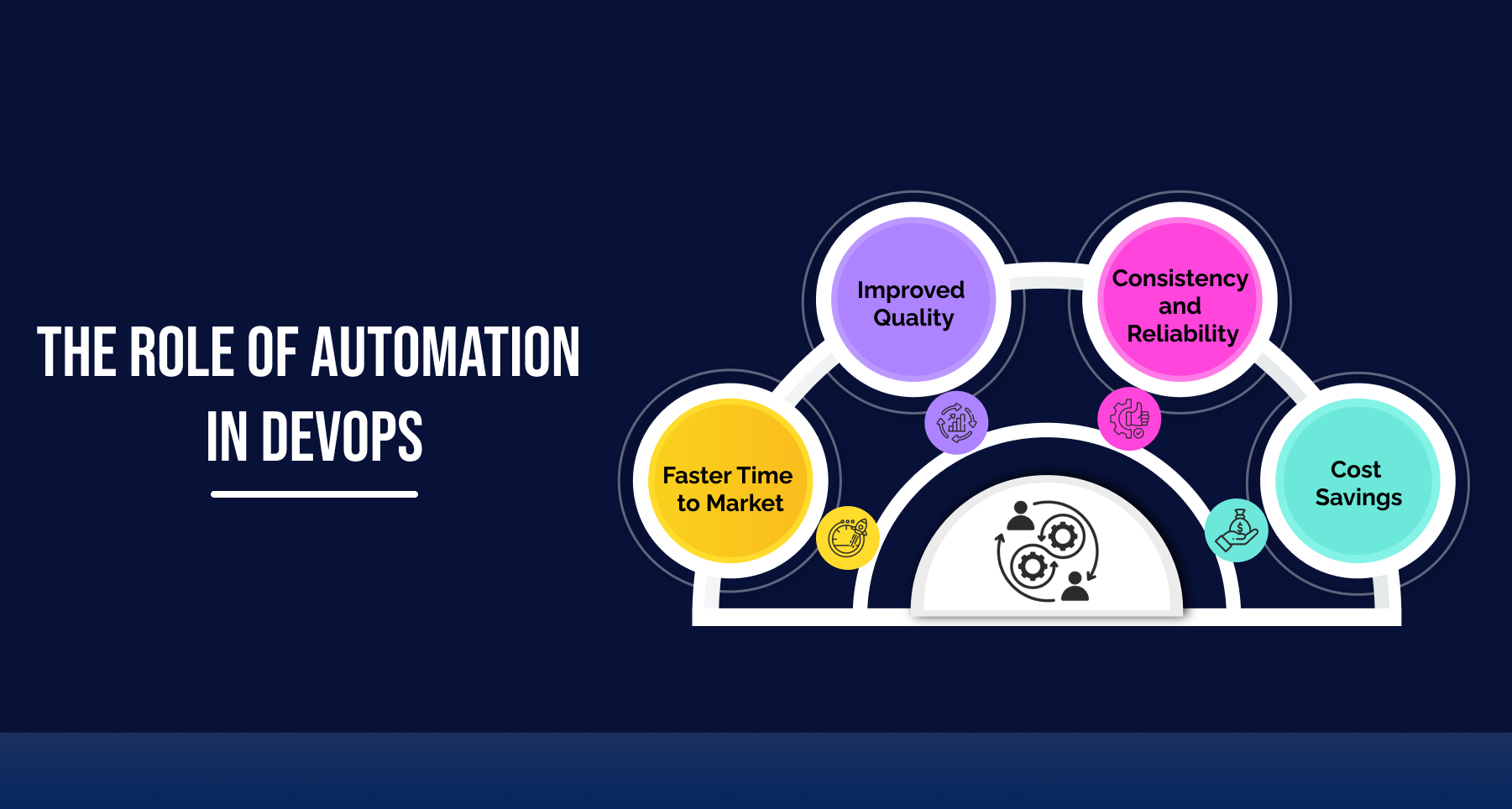
Automating Security Practices in the Development Lifecycle
Automating security practices within the development lifecycle is a cornerstone of DevSecOps. Automation streamlines the DevOps workflow by integrating security checks, security testing, and compliance tasks directly into the pipeline. By automating security, organizations can identify security issues early in the development process, reducing the need for costly rework and improving the overall security posture. Automate security practices to embed security into DevOps, enabling more secure, efficient, and reliable software delivery.
Benefits of Automation for Security Testing
Automation of security testing brings numerous benefits, including increased speed, improved accuracy, and enhanced scalability, which are critical for continuous security.. Automating security testing reduces manual effort, ensuring that security checks are consistently applied. Security teams can identify security vulnerabilities in a timely manner, address security risks promptly, and ensure that security measures are up-to-date. The increased efficiency allows development teams to focus on innovation, while security professionals can concentrate on strategic security initiatives.
Integrating Automated Security Tools into the DevOps Workflow
Integrating automated security tools such as SAST and DAST into the DevOps workflow is essential for maintaining a strong security posture. Selecting and integrating the right security tools enables security professionals to identify security vulnerabilities early in the development process. These tools also provide real-time feedback to developers, helping them to write more secure code. Shift security left by integrating security tools into the DevOps pipeline, fostering a proactive approach to security and ensuring security throughout the software development lifecycle.
5 Surprising Facts about Cybersecurity in DevOps: Integrating Security Early
- Shifting left reduces cost exponentially: Fixing security issues during design or early pipeline stages can be up to 30x cheaper than remediating them after production, making early integration financially transformative.
- Automated security finds more than humans alone: Continuous security scans and automated testing catch classes of misconfigurations and dependencies that manual reviews frequently miss, increasing overall detection coverage in DevOps.
- Developers can outperform dedicated teams with the right tools: When security tools are embedded into developer workflows (IDE plugins, pre-commit hooks, CI gates), developer-led remediation becomes faster and often more effective than centralized security triage.
- Containers and serverless change the threat model dramatically: Moving to containerized and serverless architectures shifts attack surfaces from traditional hosts to supply chains, images, and function permissions—so integrating security early must include build-time and artifact provenance controls.
- Cultural change often matters more than tools: Successful DevSecOps initiatives rely less on buying point products and more on shifting responsibilities, incentives, and measurable security KPIs so teams adopt secure practices as part of regular development.

How do we implement devsecops to integrate security early in the development?
Implementing devsecops means bringing security early in the development lifecycle so that development and security teams collaborate from the start. This includes embedding automated security checks into continuous integration and continuous delivery pipelines, training devops teams on secure coding, and defining clear ownership for threat modeling and vulnerability remediation. By ensuring security is embedded and that devsecops ensures that security practices are part of everyday workflows, security gaps shrink and fixes happen earlier and faster.
What devops security best practices should teams adopt to shift security left?
Devops security best practices include integrating static and dynamic analysis into CI/CD, using infrastructure as code with security policies, automated dependency scanning, secret management, and continuous monitoring. Shift-left security demands that these controls run early and often so that vulnerabilities early in the cycle are detected. Regular threat modeling sessions and cross-training between development and security teams help make security is embedded in every sprint.
How can we enhance security by integrating security into your devops workflows?
Enhance security by automating security gates in pipelines, incorporating security unit tests, and embedding security requirements into user stories and acceptance criteria. Integrating security into your devops reduces manual security toil, enables faster feedback loops, and ensures that build security checks prevent vulnerable code from reaching production. Collaboration between development and security teams makes security part of the definition of done.
Why is it important to shift security and focus on vulnerabilities early rather than relying on traditional security?
Shifting security to the left and addressing vulnerabilities early reduces cost and risk. Traditional security often finds issues late in the cycle, creating bottlenecks and rework. By finding issues earlier with automated scans during continuous integration and continuous delivery, teams can remediate faster and minimize exposure. This approach aligns with the principle that security can become a continuous capability rather than a gating afterthought.
What are practical steps for implementing security in CI/CD pipelines for devops teams?
Practical steps include adding static application security testing (SAST) and software composition analysis (SCA) to pre-commit and build stages, running dynamic application security testing (DAST) in staging, enforcing policy-as-code for infrastructure, and instituting automated rollbacks on critical findings. Educating devops teams to interpret results and prioritize fixes ensures that continuous integration and continuous delivery pipelines contribute to a secure delivery model.
How do we balance speed and security when building security into rapid release cycles?
Balance speed and security by prioritizing high-impact, low-friction controls first: automated dependency checks, secrets scanning, and pre-merge static scans. Use risk-based testing for more invasive tests and shift more expensive manual security activities to later stages or periodic audits. When security is embedded and devsecops ensures that security feedback is actionable, teams can maintain velocity while reducing the likelihood of critical vulnerabilities.
What role do development and security teams play in preventing security gaps and manual security bottlenecks?
Development and security teams must collaborate to define shared goals, responsibilities, and metrics that measure security posture. Security teams should provide guardrails, automated tools, and guidance, while developers adopt secure coding practices and incorporate security checks into their workflows. This collaboration reduces manual security review bottlenecks and closes security gaps by making security part of every pull request and build.
How does adopting shift-left security and build security practices change an organization’s risk profile?
Adopting shift-left security and build security practices reduces the number and severity of vulnerabilities released to production, shortens remediation cycles, and improves compliance posture. As security early in the development becomes routine, security incidents decline and security can become measurable through metrics like mean time to detection and remediation. Overall, integrating security into your devops increases resilience and lowers operational risk.