DPRK IT Workers Impersonating Individuals Using Real LinkedIn Accounts to Apply for Remote Roles
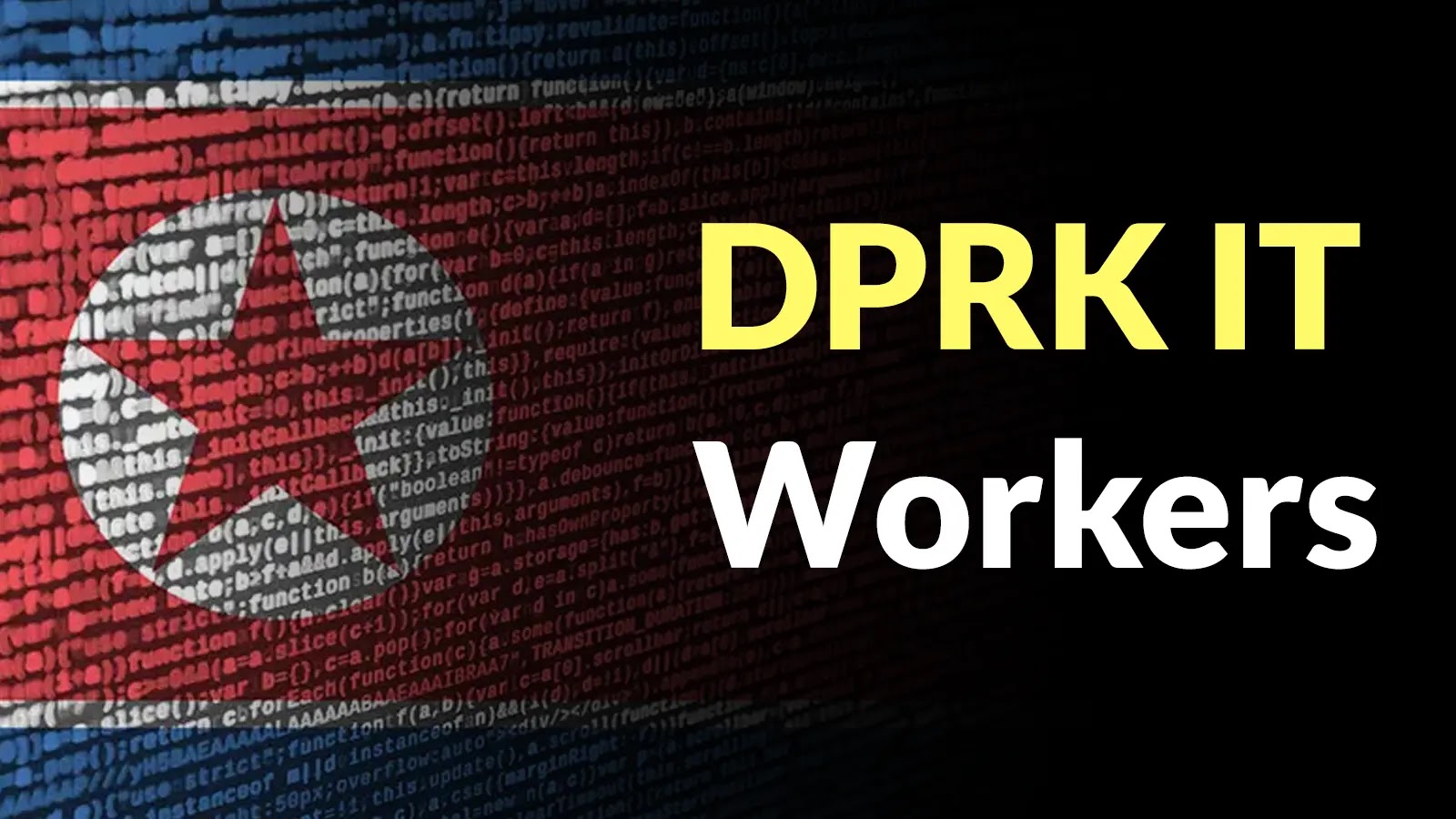
The digital frontier of remote employment, a landscape once offering unparalleled flexibility, now confronts an escalating and insidious threat. North Korean operatives, long recognized for their sophisticated cyber tactics aimed at revenue generation for the regime, have significantly refined their approach to infiltrating global organizations. This evolution moves beyond the long-standing practice of fabricating identities, entering a new and more complex phase: the impersonation of real individuals using legitimate LinkedIn accounts to secure remote IT roles.
This critical shift demands immediate attention from cybersecurity professionals, HR departments, and hiring managers worldwide. Understanding this new modus operandi is essential for protecting sensitive data, preventing financial diversion, and maintaining operational integrity.
DPRK’s Evolving Impersonation Tactics
For years, the Democratic People’s Republic of Korea (DPRK) has strategically deployed skilled IT workers to infiltrate global supply chains and technology sectors. Their objective is clear: leverage remote work opportunities to funnel hard currency back to the regime, bypassing international sanctions. Initially, these efforts often involved creating entirely fictitious identities, complete with fabricated resumes and nonexistent professional histories.
However, recent intelligence indicates a profound tactical pivot. Instead of generating new, easily detectable fake identities, DPRK operatives are now actively hijacking or deeply impersonating legitimate, existing individuals, often with extensive professional histories and credible LinkedIn profiles. This tactic makes detection significantly harder, as the imposters benefit from a pre-established digital footprint and reputation. They leverage these compromised or carefully crafted personas to apply for remote information technology roles, often those requiring specialized skills and offering substantial remuneration.
The implications of such sophisticated impersonation are far-reaching. Once embedded within an organization, these operatives gain access to sensitive intellectual property, proprietary data, and potentially critical infrastructure. Their activities can range from subtle data exfiltration to more overt acts of sabotage or financial fraud, all while appearing to be legitimate employees.
The Urgency of Verification in Remote Hiring
The shift to advanced impersonation techniques underscores the critical need for robust verification processes in remote hiring. Traditional background checks, while still necessary, might not be sufficient to detect an operative meticulously mimicking a real person. The challenge is amplified by the sheer volume of applications for remote roles and the pressure on hiring teams to fill positions quickly.
Organizations must move beyond surface-level reviews of resumes and online profiles. A comprehensive strategy involves a multi-layered approach to candidate assessment, focusing on behavioral cues, technical proficiency validation, and advanced digital forensics for identity verification.
Remediation Actions and Best Practices
Protecting your organization from these sophisticated DPRK threats requires a proactive and adaptive defense strategy. Below are actionable steps for enhanced vigilance:
- Enhanced Identity Verification: Implement multi-factor authentication (MFA) for all internal systems, including HR and recruitment platforms. Utilize biometric authentication where feasible. For candidates, consider video interviews that require real-time identity presentation (e.g., holding up ID).
- Deep Background Checks and Reverse Image Searches: Go beyond standard checks. Conduct reverse image searches on profile pictures to detect inconsistencies or re-use. Verify educational credentials and employment history directly with institutions and previous employers, rather than relying solely on provided documents.
- Behavioral Analysis During Interviews: Train hiring managers and interviewers to recognize subtle behavioral indicators that might suggest impersonation or deception. This includes inconsistencies in communication style, unusual technical knowledge gaps despite a strong resume, or reluctance to engage in video calls.
- Technical Skill Validation: For IT roles, implement rigorous technical assessments, coding challenges, and live problem-solving sessions that are difficult to outsource or fake. Monitor for unusual patterns in how these tests are completed.
- Continuous Monitoring of Employee Accounts: Even after hiring, implement advanced endpoint detection and response (EDR) solutions and security information and event management (SIEM) systems to continuously monitor employee activity, especially for remote workers. Look for anomalous login times, unusual data access patterns, or attempts to access unauthorized systems.
- LinkedIn Profile Scrutiny: Be suspicious of LinkedIn profiles that seem “too perfect,” have an unusually high number of connections from disparate industries without clear commonality, or exhibit inconsistencies in endorsements or recommendations. Cross-reference stated employment history with public records or company websites.
- Cybersecurity Awareness Training: Educate all employees, especially those involved in HR and IT recruitment, about the evolving tactics of state-sponsored actors. Knowledge is the first line of defense.
- Incident Response Planning: Develop and regularly test an incident response plan specifically tailored to address situations involving insider threats or compromised employee accounts.
Conclusion
The sophisticated impersonation tactics employed by DPRK IT workers represent a critical challenge in the remote work paradigm. Organizations can no longer afford to rely on outdated verification methods. By adopting a multi-layered approach to identity verification, enhancing technical and behavioral assessments, and maintaining continuous vigilance, businesses can significantly bolster their defenses against these evolving threats. Protecting your enterprise means prioritizing robust cybersecurity practices at every stage of the employee lifecycle, from recruitment to offboarding.