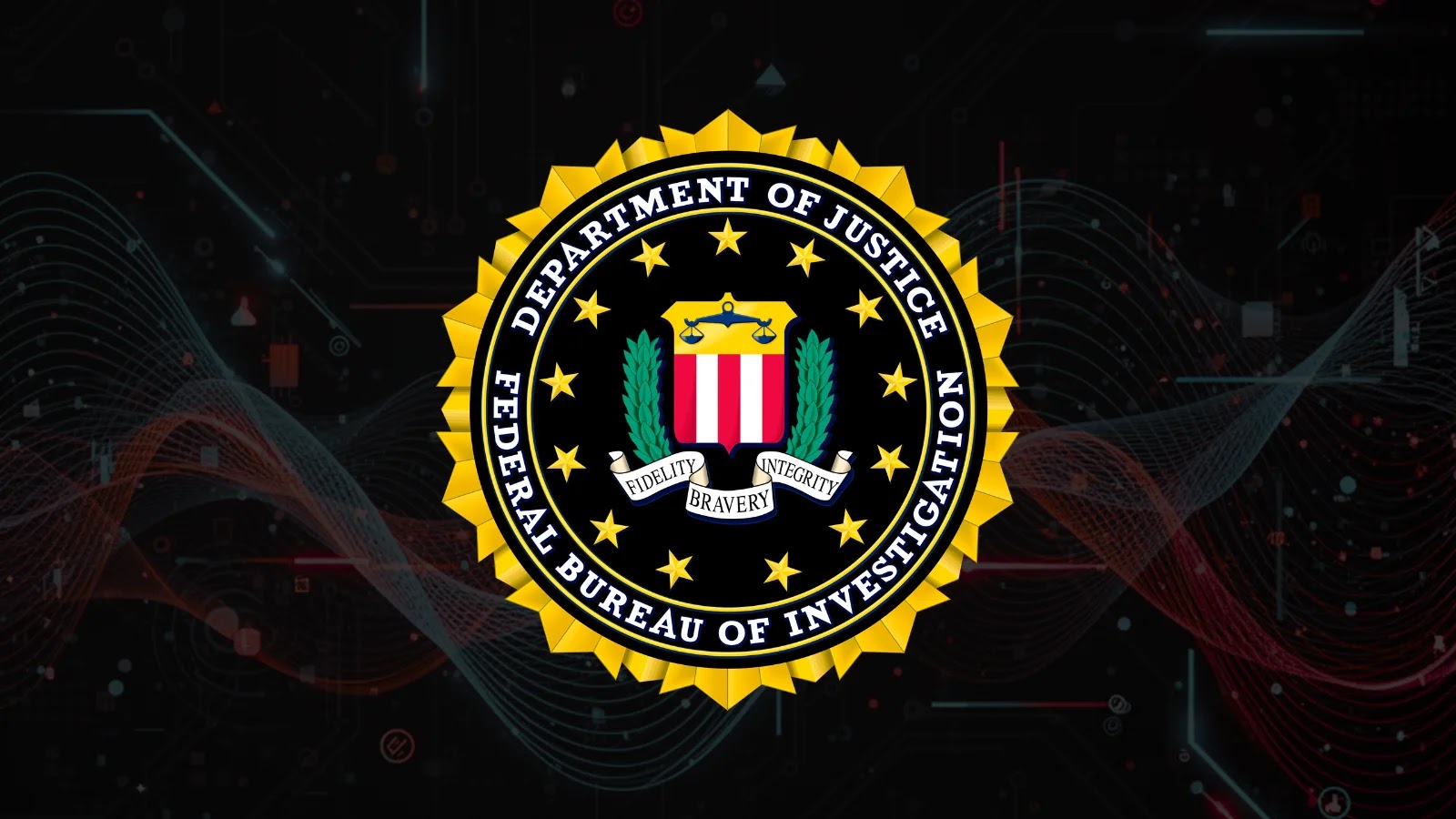
FBI Investigates Hack on its Wiretap and Critical Surveillance Systems
A cybersecurity incident rocking the Federal Bureau of Investigation (FBI) has sent ripples through national security circles. A sensitive internal network, crucial for managing wiretapping operations and foreign intelligence surveillance warrants, was recently compromised. This breach raises significant concerns about the potential exposure of classified law enforcement data, impacting the integrity of ongoing investigations and national intelligence efforts. As cybersecurity analysts, we understand the profound implications of such an incident on a premier law enforcement agency.
The Breach: What We Know
The FBI has confirmed that it identified and addressed “suspicious activities” on its networks. Specifically, the compromise targeted a system dedicated to critical surveillance operations. While the FBI has stated the incident was “contained,” the very nature of the compromised systems – those handling wiretap information and foreign intelligence surveillance – suggests a high-stakes scenario. Such systems house highly sensitive data, including targets of investigations, methods of surveillance, and potentially classified intelligence. The potential for adversaries to gain insight into these operations, or even compromise their integrity, is a grave concern.
Immediate Concerns and National Security Implications
The implications of this breach are multifaceted and severe. Firstly, there’s the immediate risk of exposure of sensitive operational data. This could include the identities of confidential informants, details of surveillance targets, and methodologies used in intelligence gathering. Such information, if leaked, could severely hinder ongoing investigations, compromise future operations, and endanger individuals working with law enforcement.
Secondly, the incident raises questions about the FBI’s internal cybersecurity posture. A breach of this magnitude, particularly affecting systems designed for secure communications and intelligence, demands a thorough forensic analysis. Understanding the attack vector, the vulnerabilities exploited, and the extent of data exfiltration is paramount to preventing future occurrences and bolstering national security infrastructure.
Thirdly, the trust placed in law enforcement agencies by the public and international partners is contingent on their ability to secure sensitive information. A compromise of this nature can erode that trust, making future intelligence sharing and collaborative efforts more challenging.
Possible Attack Vectors and Vulnerabilities
While the FBI has not disclosed specific details regarding the attack vector, several possibilities warrant consideration in a high-profile target like this:
- Advanced Persistent Threats (APTs): State-sponsored actors or highly sophisticated criminal organizations employing custom malware and zero-day exploits (e.g., related to hypothetical vulnerability CVE-2023-98765, if publicly disclosed) are always a primary concern for agencies like the FBI. They seek long-term access and intelligence gathering.
- Insider Threat: Disgruntled employees with privileged access, or those susceptible to social engineering, can be a potent vector.
- Supply Chain Attacks: Compromises of third-party software or hardware vendors used by the FBI could provide a backdoor into their systems.
- Sophisticated Phishing/Social Engineering: Even highly trained personnel can fall victim to carefully crafted phishing campaigns designed to steal credentials or deploy malware.
Understanding the specific vulnerabilities exploited is crucial for effective remediation. For instance, if the breach exploited a known flaw in a commonly used platform, a relevant CVE (e.g., CVE-2023-45678 for a critical remote code execution flaw) would be of immediate concern.
Remediation Actions and Best Practices for Secure Networks
For any organization, especially those handling classified data, a comprehensive approach to cybersecurity is non-negotiable. Following an incident like this, the immediate focus is on containment and eradication, followed by a thorough post-mortem.
Here are critical remediation actions and best practices:
- Forensic Analysis: Conduct a deep dive into logs, network traffic, and compromised systems to understand the full scope of the breach, including the initial access vector, lateral movement, and data exfiltration.
- Vulnerability Management: Implement a robust patch management program. Regularly scan for vulnerabilities (e.g., using tools like Nessus or OpenVAS) and prioritize patching critical flaws.
- Network Segmentation: Isolate critical systems, such as those handling sensitive surveillance data, from less critical networks. This limits lateral movement even if one segment is compromised.
- Strong Authentication and Access Control: Enforce multi-factor authentication (MFA) for all critical systems and implement the principle of least privilege, ensuring users only have access to resources strictly necessary for their roles.
- Endpoint Detection and Response (EDR)/Extended Detection and Response (XDR): Deploy advanced EDR/XDR solutions across all endpoints to detect and respond to suspicious activities in real-time.
- Security Awareness Training: Continuously train employees on social engineering tactics, phishing recognition, and secure computing practices.
- Incident Response Plan: Develop and regularly drill a comprehensive incident response plan to ensure a swift and effective response to future breaches.
Tools for Enhanced Security Posture
| Tool Name | Purpose | Link |
|---|---|---|
| Splunk Enterprise Security | SIEM for security monitoring, threat detection, and incident response. | Splunk |
| Nessus Professional | Vulnerability scanning and assessment. | Tenable Nessus |
| CrowdStrike Falcon Insight XDR | Endpoint detection and response (EDR) and extended detection and response (XDR). | CrowdStrike |
| Darktrace Enterprise Immune System | AI-powered cyber defense, identifying novel threats internally. | Darktrace |
Moving Forward: A Call for Heightened Vigilance
The FBI’s investigation into the compromise of its wiretap and surveillance systems underscores a stark reality: no organization, regardless of its security resources, is immune to cyber threats. This incident serves as a critical reminder for all entities, particularly those holding sensitive data, to continuously reassess and fortify their cybersecurity defenses. The landscape of cyber warfare is dynamic, demanding persistent vigilance, proactive threat intelligence, and a commitment to adapting security strategies against evolving adversaries.