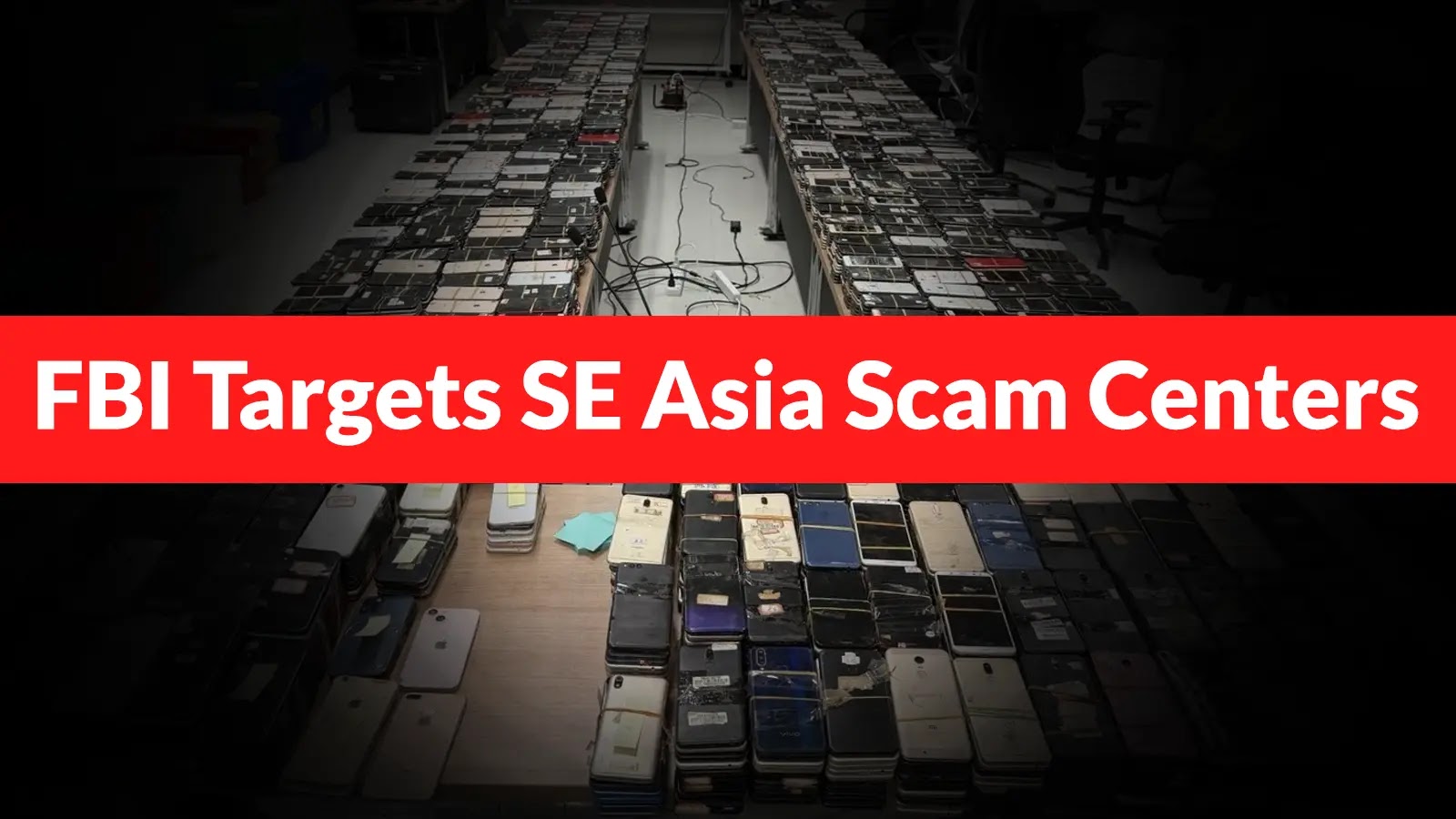
FBI, Thai Partners Target Southeast Asia Scam Centers Behind Cyber Fraud on Americans
The insidious nature of cyber fraud often masks its true intent until it’s too late. It typically begins with an innocuous message – a friendly social media outreach, a “wrong number” text evolving into a prolonged conversation, or a carefully cultivated romantic connection that deepens over weeks. For tens of thousands of Americans, these seemingly innocent digital interactions have culminated in devastating financial losses, ranging from depleted life savings and emptied retirement accounts to scattered assets. This pervasive threat, originating from sophisticated scam centers in Southeast Asia, highlights a critical vulnerability in our increasingly interconnected world. The recent collaboration between the FBI and its Thai partners marks a significant turning point in the fight against these relentless cybercriminals.
Understanding the Threat: Southeast Asian Cyber Fraud Networks
The scale and sophistication of these Southeast Asian scam centers are truly alarming. These aren’t isolated incidents perpetrated by individual actors; rather, they are highly organized operations engaging in various forms of cyber fraud. Their primary targets are often unsuspecting individuals, lured into meticulously crafted schemes designed to exploit human emotions and trust. The reference to “wrong-number” texts evolving into conversations is a classic tactic known as “pig butchering” – a long-con investment fraud that slowly builds a victim’s confidence before draining their finances.
These operations leverage a deceptive array of social engineering techniques. They invest considerable time in building rapport, creating believable personas, and exploiting common psychological vulnerabilities. The anonymity and global reach of the internet allow these groups to operate with relative impunity, making international collaboration essential for effective countermeasures.
The FBI and Thai Partnership: A United Front
The proactive engagement of the FBI, working in concert with Thai law enforcement agencies, underscores the transnational nature of cybercrime. This partnership is crucial for several reasons:
- Cross-Border Jurisdiction: Cybercriminals often operate from jurisdictions where local laws or enforcement capabilities might be less stringent, or where extradition is challenging. International collaborations circumvent these hurdles.
- Intelligence Sharing: The exchange of intelligence – including victim data, modus operandi, and financial flows – is vital for understanding the full scope of these criminal enterprises and identifying key players.
- Resource Mobilization: Combining the resources and expertise of multiple law enforcement agencies significantly enhances the capability to disrupt and dismantle these sophisticated networks.
- Victim Support: While the primary focus is on bringing perpetrators to justice, these operations also aim to identify victims and, where possible, recover stolen assets or provide support.
This coordinated effort sends a strong message to cybercriminal organizations: geographical distance will not guarantee impunity. It establishes a precedent for future international operations against similar threats.
Common Cyber Fraud Tactics Employed
While the specific schemes can vary, several overarching tactics are consistently used by these scam centers:
- Romance Scams: Criminals create fake online personas, build emotional connections with victims over extended periods, and then fabricate emergencies or investment opportunities requiring financial assistance. These can be particularly devastating due to the emotional manipulation involved.
- Investment Scams (Pig Butchering): This sophisticated fraud involves building trust through social media or messaging platforms, then convincing victims to invest in seemingly legitimate but fake cryptocurrency or forex platforms. The initial small returns build confidence, leading to larger investments that are ultimately stolen.
- Phishing/Smishing Attacks: Although not always originating from these specific centers, the underlying social engineering techniques are similar. Victims receive deceptive emails or texts designed to steal credentials or personal information.
- Tech Support Scams: Impersonating legitimate tech companies, scammers convince victims their devices have issues and demand payment for unnecessary “fixes” or gain remote access to steal information.
Remediation Actions and Protective Measures
Protecting oneself and others from these elaborate cyber fraud schemes requires vigilance, education, and adherence to best practices. There is no specific CVE linked to social engineering, as it exploits human vulnerabilities rather than software flaws. However, the preventative measures are critical.
- Verify Identities: Always be skeptical of unsolicited messages or new online connections, especially those professing immediate deep affection or offering lucrative investment opportunities. Conduct reverse image searches on profile pictures.
- Exercise Caution with Investment Opportunities: Be extremely wary of unsolicited investment advice, particularly for cryptocurrency or foreign exchange. Always consult a trusted financial advisor and use reputable, regulated platforms.
- Never Share Personal Information: Do not share sensitive personal, financial, or login details with anyone you haven’t thoroughly vetted, especially online.
- Beware of Urgent Requests: Scammers often create a sense of urgency to pressure victims into making hasty decisions. Take time to think and verify.
- Report Suspicious Activity: If you suspect you’ve been targeted or are a victim of a scam, report it immediately to your local law enforcement agency and a relevant body like the FBI’s Internet Crime Complaint Center (IC3).
- Educate Yourself and Others: Share information about these scam tactics with friends and family, particularly elderly individuals who are often targeted. Awareness is a powerful defense.
- Strong Security Practices: While not directly preventing social engineering, strong passwords, multi-factor authentication, and up-to-date antivirus software reduce the impact if a scam compromises credentials.
The fight against cyber fraud is ongoing, and while law enforcement agencies are making significant strides, individual preparedness remains a crucial line of defense. The collaboration between the FBI and Thai partners serves as a compelling reminder that international cooperation is essential to dismantle these criminal networks and protect global citizens from financial ruin.