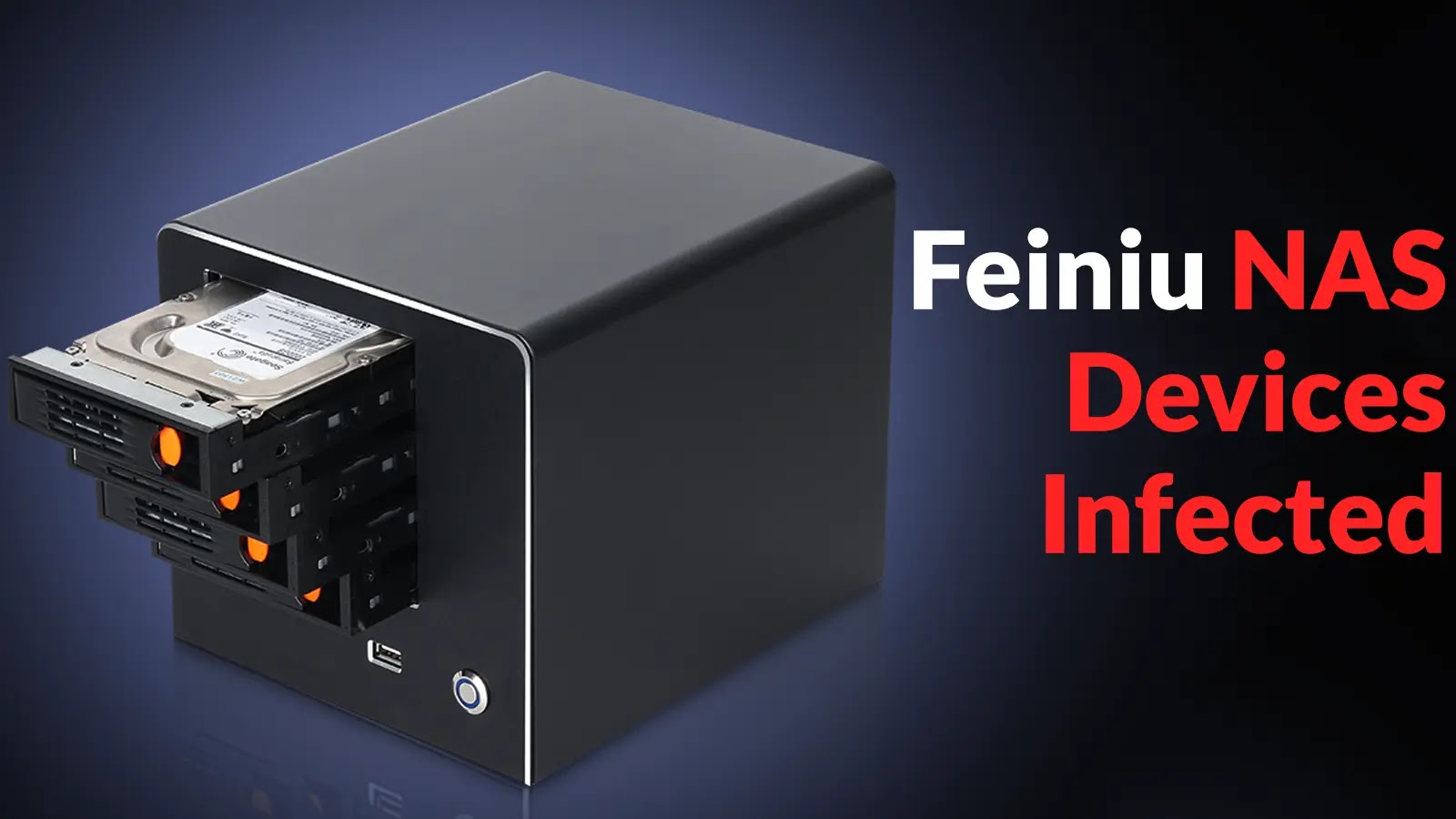
Feiniu NAS Devices Infected in Large-Scale Netdragon Botnet Attack Exploiting Unpatched Vulnerabilities
Feiniu NAS Devices Under Siege: Unpatched Vulnerabilities Fueling Netdragon Botnet Campaign
In a pressing development for data security, Feiniu (fnOS) Network Attached Storage devices are currently facing a widespread and aggressive attack. These devices are being actively compromised and recruited into the Netdragon botnet, a malicious network that first emerged in October 2024. This campaign is particularly concerning as it leverages undisclosed, unpatched security vulnerabilities within the fnOS platform, putting countless users’ data and network integrity at severe risk.
The Netdragon Botnet: A Growing Threat
The Netdragon botnet, identified in late 2024, has rapidly evolved into a significant threat actor. Unlike typical botnets that might target a broad spectrum of devices, Netdragon’s current focus on Feiniu NAS systems highlights a targeted and sophisticated approach. Botnets of this nature can be utilized for a variety of malicious activities, including:
- Distributed Denial of Service (DDoS) Attacks: Leveraging the collective power of compromised devices to overwhelm target servers and cripple online services.
- Data Exfiltration: Stealing sensitive information stored on the NAS devices, which often includes personal documents, financial records, and proprietary business data.
- Cryptocurrency Mining: Illegitimately using the NAS device’s processing power to mine cryptocurrencies, leading to performance degradation and increased energy consumption for the owner.
- Command and Control (C2) Infrastructure: Using compromised NAS devices as relays for further attacks or to host malicious content.
The attackers behind Netdragon are demonstrating a clear understanding of the fnOS architecture. Their ability to exploit unpatched vulnerabilities indicates either a zero-day exploit or vulnerabilities uncovered through extensive reverse-engineering of the fnOS firmware.
Feiniu NAS and the Exploited Vulnerabilities
Feiniu NAS devices are popular for their affordability and features, making them a common choice for small businesses and home users alike. However, the current exploitation of undisclosed vulnerabilities presents a critical security flaw. The lack of public disclosure regarding these specific vulnerabilities (no CVE assigned at the time of reporting) means users are left in the dark about the exact nature of the weakness, making proactive defense challenging.
When an unpatched vulnerability is exploited, it creates an opportune window for attackers. Unlike publicly known vulnerabilities that might have patches or workarounds, zero-day or undisclosed flaws offer attackers a significant advantage, allowing them to bypass traditional security measures until a fix is released.
Remediation Actions for Feiniu NAS Owners
Given the active exploitation, immediate action is crucial for all Feiniu NAS device owners. While a patch from Feiniu is the ultimate solution, the following steps can drastically reduce exposure and mitigate the risk of compromise:
- Disconnect from the Internet: If your Feiniu NAS is not actively used for internet-facing services, disconnect it immediately from the public internet. This is the most effective temporary measure to prevent further compromise or attack.
- Isolate on Network: If disconnecting is not feasible, isolate the NAS device on a segregated network segment or VLAN with strict firewall rules, only allowing essential internal traffic.
- Implement Strong Firewall Rules: Restrict inbound and outbound access to essential ports only. Block all unnecessary services and ports that are exposed to the internet.
- Change Default Credentials: Ensure all default usernames and passwords have been changed to complex, unique credentials. Regularly review user accounts and remove any unnecessary or dormant accounts.
- Monitor Network Traffic: Implement network monitoring tools to detect unusual outbound connections or suspicious activity originating from your NAS device. Look for connections to unknown IP addresses or domains.
- Regular Backups: Maintain regular, off-site backups of all critical data stored on your NAS. This ensures data recovery in the event of a successful compromise or data encryption by ransomware.
- Stay Informed: Closely monitor official Feiniu communications and reputable cybersecurity news sources for updates, patch releases, and further guidance.
- Consider Alternative Solutions: If immediate patching is not available or if the risk remains high, consider migrating critical data to more secure or supported storage solutions.
Detection and Mitigation Tools
While specific tools for these unpatched vulnerabilities are not yet available, general cybersecurity practices and tools remain vital in detecting and mitigating threats:
| Tool Name | Purpose | Link |
|---|---|---|
| Nmap | Network scanning, port discovery, and service identification. | https://nmap.org/ |
| Wireshark | Network protocol analyzer for deep inspection of network traffic. | https://www.wireshark.org/ |
| Snort/Suricata | Intrusion Detection/Prevention Systems (IDS/IPS) for real-time traffic analysis and attack detection. | https://www.snort.org/ https://suricata-ids.org/ |
| Endpoint Detection and Response (EDR) solutions | Advanced threat detection and response capabilities for endpoints (if applicable to a server component on NAS). | (Varies by vendor, e.g., CrowdStrike, SentinelOne) |
Conclusion
The Netdragon botnet’s active targeting of Feiniu NAS devices via unpatched vulnerabilities underscores the critical importance of timely security updates and vigilant network management. NAS devices, often seen as secure data repositories, are increasingly becoming targets for sophisticated attackers due to the sensitive nature of the data they hold. Feiniu users must prioritize the suggested remediation actions to protect their data and prevent their devices from becoming unwitting participants in malicious cyber campaigns. The cybersecurity community anticipates further details regarding these vulnerabilities and a timely response from Feiniu to safeguard its user base.