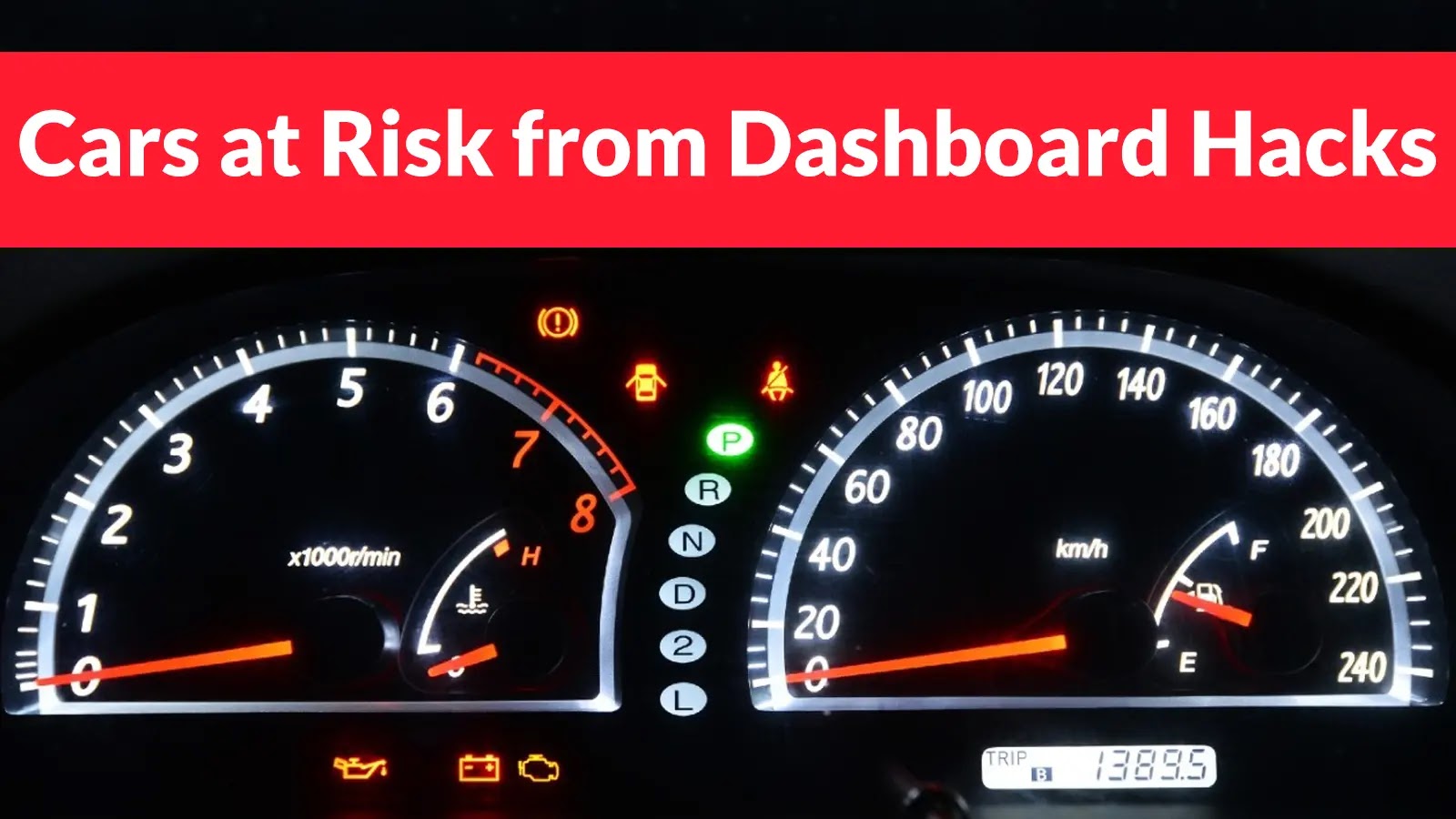
Hackers Could Take Control of Car Dashboard by Hacking Its Modem
The Connected Car: A New Battleground for Cybersecurity
Modern vehicles are more than just modes of transport; they are sophisticated, interconnected devices that increasingly resemble computers on wheels. This digital transformation, while offering unparalleled convenience and advanced features, simultaneously ushers in a new era of cybersecurity vulnerabilities. The seemingly futuristic scenario of a car dashboard being remotely hijacked, once the stuff of science fiction, is rapidly becoming a tangible threat. This article delves into how a car’s modem can become the gateway for malicious actors to gain unauthorized control, turning a driving experience into a potential nightmare.
From Convenience to Compromise: The Modem as an Attack Vector
The very connectivity that defines modern vehicles – from over-the-air updates to integrated navigation and entertainment systems – relies heavily on the car’s modem. This crucial component acts as the vehicle’s conduit to the internet, processing vast amounts of data and enabling communication with external networks. However, this critical function makes it a prime target for cybercriminals. Exploiting vulnerabilities within the modem’s software or its communication protocols can grant attackers a dangerous foothold, potentially allowing them to compromise various in-car systems.
The implications of such a breach are far-reaching. Imagine losing control of your infotainment system, your navigation rerouted, or even critical vehicle functions manipulated remotely. The recent hypothetical-turned-reality of running video games like Doom directly on a car’s dashboard highlights the severe lack of security segmentation between non-critical and critical vehicle systems once a compromise is established. This demonstrates that a successful attack on the modem could escalate rapidly, impacting systems far beyond mere entertainment.
The Anatomy of a Dashboard Hijack
Gaining control of a car’s dashboard through its modem would typically involve several stages. Initially, attackers would likely seek to identify and exploit software vulnerabilities within the modem’s firmware or the operating system running on the infotainment unit. These vulnerabilities could range from unpatched security flaws to insecure configurations or even backdoors. Once access is established, the attackers can leverage this initial compromise to escalate privileges and explore other interconnected systems within the vehicle’s network (CAN bus).
The integration of advanced displays and processors in dashboards further exacerbates this risk. These powerful units, while enhancing user experience, run complex software stacks that can harbor numerous vulnerabilities. Without robust isolation mechanisms and continuous security updates, a compromised dashboard becomes a launchpad for further attacks, potentially extending to critical vehicle control units (ECUs). The full source material outlines this vulnerability, emphasizing the critical need for a defense-in-depth approach to automotive cybersecurity.
Remediation Actions: Securing Your Connected Vehicle
Addressing the vulnerabilities that allow for car dashboard hijacking requires a multi-faceted approach involving both manufacturers and vehicle owners. Proactive and reactive measures are essential to mitigate these growing threats.
- Regular Software Updates: Vehicle manufacturers must prioritize and deliver timely over-the-air (OTA) security updates for modems and infotainment systems. Owners should ensure these updates are installed promptly.
- Robust Network Segmentation: Critical vehicle control systems (e.g., braking, steering) must be logically and physically segregated from less critical systems like infotainment, even if they share network infrastructure.
- Secure Boot Mechanisms: Implementing secure boot processes ensures that only trusted and signed software can run on the vehicle’s systems, preventing the execution of malicious code.
- Intrusion Detection and Prevention Systems (IDPS): In-vehicle IDPS can monitor network traffic for anomalous behavior, flagging potential attacks and even taking automated mitigation steps.
- Penetration Testing and Bug Bounty Programs: Manufacturers should consistently conduct third-party penetration testing and encourage ethical hackers to identify and report vulnerabilities through bug bounty programs.
- Owner Vigilance: Be wary of connecting to untrusted Wi-Fi networks in your vehicle, and avoid installing third-party applications from unverified sources on your infotainment system.
Tools for Automotive Cybersecurity Assessment and Mitigation
Specialized tools are essential for identifying vulnerabilities and enhancing the security posture of connected vehicles. These tools cater to various stages of the security lifecycle, from design to deployment and ongoing maintenance.
| Tool Name | Purpose | Link |
|---|---|---|
| CANalyzer/CANoe | Vehicle network analysis, simulation, and diagnostics for CAN bus. | https://www.vector.com/int/en/products/products-a-z/software/canalyzer/ |
| Udemy Ethical Hacking for Connected Cars | Educational course for understanding car hacking techniques. | https://www.udemy.com/course/car-hacking-for-beginners/ |
| Savari V2X Solutions | Security solutions for Vehicle-to-Everything (V2X) communication. | https://www.qualcomm.com/products/automotive/v2x-communication |
| Griffin (GHIDRA) | Software reverse engineering (SRE) framework for analyzing firmware. | https://ghidra-sre.org/ |
| Fuzzing Tools (e.g., American Fuzzy Lop PlusPlus – AFL++) | Automated vulnerability discovery by providing invalid or unexpected inputs to software. | https://github.com/AFLplusplus/AFLplusplus |
Looking Ahead: The Road to Secure Automotive Connectivity
The increasing connectivity of modern vehicles brings both immense potential and significant risks. As we continue to integrate more sophisticated technology into our cars, the attack surface expands, demanding a more rigorous approach to cybersecurity. The ability for hackers to take control of a car dashboard by exploiting its modem is a stark reminder that no part of the connected vehicle ecosystem can be overlooked. Both manufacturers and consumers must remain vigilant, prioritizing robust security measures, timely updates, and a comprehensive understanding of the threats that loom on the digital horizon. Securing our vehicles is no longer just about physical safety; it’s about the security of our digital lives on the move.