Hackers Exploiting Microsoft Office 0-day Vulnerability to Deploy Malware
A disturbing trend continues to emerge in the world of cyber warfare: nation-state actors relentlessly targeting critical infrastructure and government entities. The latest alarm bell rings loud with the revelation that a sophisticated, Russia-linked threat group is actively exploiting a zero-day vulnerability in Microsoft Office to deploy advanced malware. This isn’t merely another bug; it’s a critical weapon being wielded against Ukrainian government bodies and European Union organizations, demanding immediate attention from every security professional.
The Microsoft Office Zero-Day Under Attack
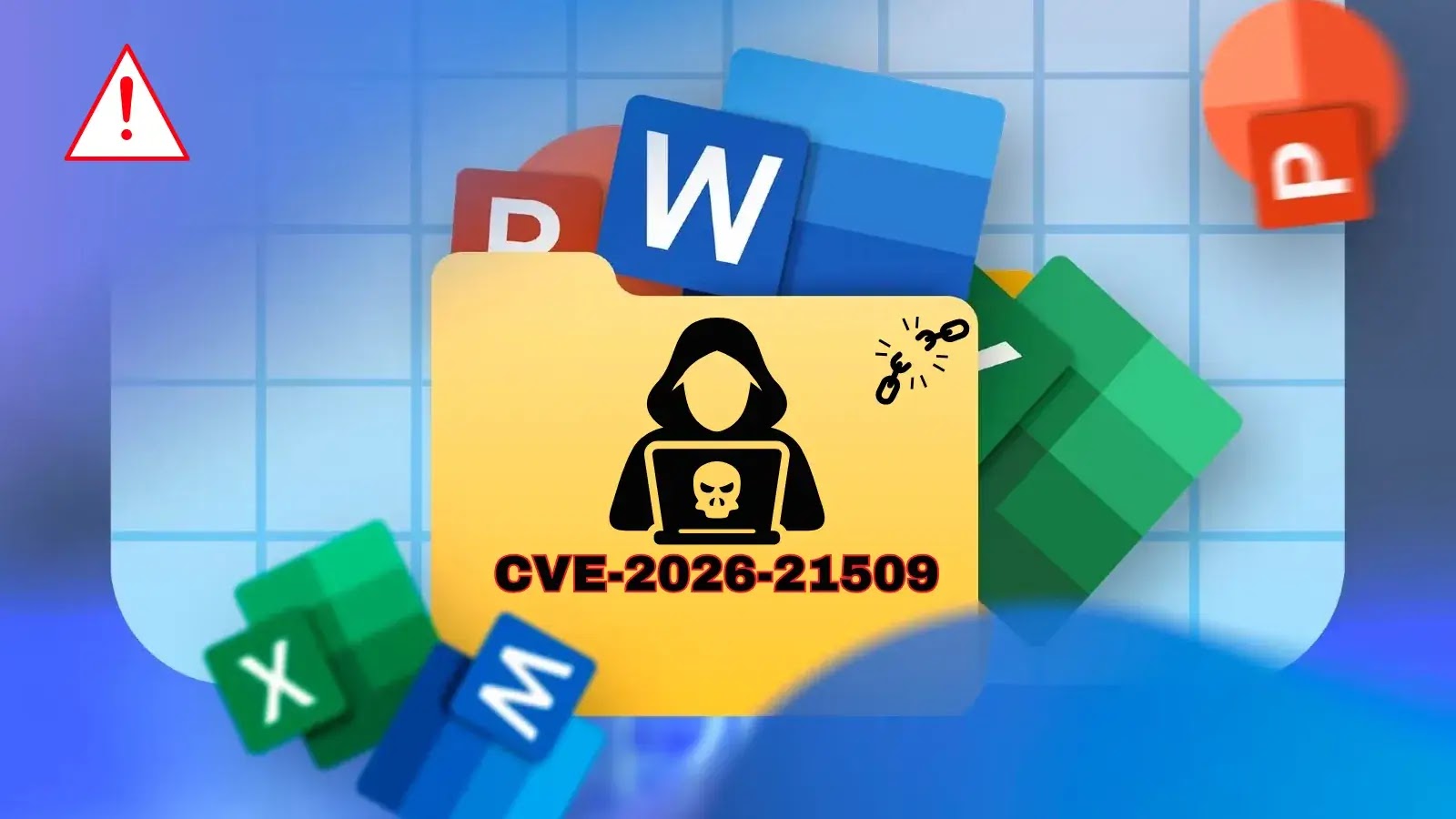
At the heart of this unfolding crisis is a previously unknown flaw in Microsoft Office, now officially identified as CVE-2026-21509. Zero-day vulnerabilities are particularly insidious because they are exploited before a patch is available, leaving systems highly exposed. In this instance, the vulnerability allows attackers to bypass existing security measures and execute malicious code, paving the way for further compromise.
Microsoft officially disclosed this critical flaw on January 26, 2026, alongside warnings of its active exploitation. The speed with which this vulnerability has been weaponized highlights the aggressive nature of modern cyber threats and the constant race between defenders and attackers.
UAC-0001 (APT28): The Threat Actor
The group responsible for leveraging CVE-2026-21509 is known in the intelligence community as UAC-0001, more commonly referred to as APT28. This Russia-linked advanced persistent threat (APT) group has a long and notorious history of cyber espionage and disruptive operations. Often associated with Russian military intelligence (GRU), APT28 is known for its sophisticated attack methodologies, extensive reconnaissance, and persistent targeting of governments, defense organizations, and critical infrastructure globally.
Their exploitation of this Microsoft Office zero-day underscores their capability to identify and weaponize novel vulnerabilities, posing a significant and ongoing threat to national security and digital sovereignty.
Targeting Ukrainian Government and EU Organizations
The primary targets of this campaign are Ukrainian government entities and various organizations within the European Union. This targeting aligns with APT28’s historical operational objectives, which frequently involve gathering intelligence, disrupting operations, and influencing geopolitical events in regions of strategic interest to Russia.
The deployment of sophisticated malware via a zero-day vulnerability grants the attackers deep access to compromised networks, enabling data exfiltration, espionage, and potentially further destructive actions. For these critical organizations, the implications are severe, ranging from sensitive data breaches to operational paralysis.
Malware Deployment and Impact
While the specific malware deployed through CVE-2026-21509 has not been fully detailed in the immediate disclosures, the nature of APT28’s operations suggests a range of possibilities. Historically, this group utilizes custom-built malware, remote access trojans (RATs), and information stealers designed for persistent access and stealthy data collection. The impact on compromised organizations can include:
- Data Exfiltration: Theft of sensitive government documents, intelligence, and organizational data.
- Espionage: Persistent monitoring of communications and network activities.
- Network Compromise: Establishing beachheads for lateral movement and further infiltration.
- Disruption: Potential for future destructive cyberattacks.
Remediation Actions and Mitigation Strategies
Given the active exploitation of CVE-2026-21509, immediate and decisive action is paramount for all organizations utilizing Microsoft Office. While a patch from Microsoft is the ultimate solution, proactive mitigation can significantly reduce exposure.
- Patch Immediately: As soon as a patch for CVE-2026-21509 is released by Microsoft, prioritize its deployment across all affected systems. Implement robust patch management policies to ensure timely updates.
- Endpoint Detection and Response (EDR): Enhance EDR solutions to monitor for anomalous activity and suspicious process execution, particularly related to Microsoft Office applications. Configure behavioral analytics to identify deviations from normal user activity.
- Network Segmentation: Implement strong network segmentation to limit the lateral movement of attackers if a compromise occurs. Isolate critical systems and sensitive data.
- Email Security: Reinforce advanced email security gateways to filter out malicious attachments and phishing attempts, which are common initial vectors for such attacks. Educate users on identifying sophisticated phishing lures.
- Application Hardening: Follow Microsoft’s security best practices for Office applications, including disabling macros by default and configuring Protected View settings.
- Threat Hunting: Proactively hunt for indicators of compromise (IOCs) related to APT28 tactics, techniques, and procedures (TTPs) within your environment.
- User Awareness Training: Continuously train employees on cybersecurity best practices, including vigilance against social engineering and suspicious attachments.
Relevant Cybersecurity Tools
Leveraging the right tools can significantly bolster your defense against threats like CVE-2026-21509.
| Tool Name | Purpose | Link |
|---|---|---|
| Microsoft Defender for Endpoint | Endpoint Detection & Response (EDR) and threat protection. | https://www.microsoft.com/en-us/security/business/endpoint-security/microsoft-defender-endpoint |
| Vulnerability Scanners (e.g., Tenable Nessus, Qualys) | Identify unpatched vulnerabilities and misconfigurations. | https://www.tenable.com/products/nessus |
| Email Security Gateways (e.g., Proofpoint, Mimecast) | Advanced threat protection for email-borne attacks. | https://www.proofpoint.com/us/products/email-security |
| Network Intrusion Detection/Prevention Systems (NIDS/NIPS) | Monitor for and block malicious network traffic. | https://www.snort.org/ |
Looking Ahead: The Persistent Zero-Day Threat
The exploitation of CVE-2026-21509 by APT28 serves as a stark reminder of the sophisticated and evolving nature of cyber threats originating from nation-state actors. Zero-day vulnerabilities remain a critical vector, allowing determined adversaries to bypass conventional defenses. Constant vigilance, an accelerated patching cadence, robust threat intelligence integration, and layered security controls are no longer optional but fundamental requirements for any organization operating in today’s threat landscape. Staying ahead requires understanding the adversary, applying the right security hygiene, and being prepared to respond swiftly.