Hackers Leverage Malicious PyPI Package to Attack Users and Steal Cryptocurrency Details
A disturbing trend in software supply chain attacks has emerged, directly targeting users and their valuable cryptocurrency assets. The seemingly innocuous act of installing a Python package from the trusted Python Package Index (PyPI) has become a new vector for sophisticated malware campaigns. This particular incident highlights how attackers are increasingly sophisticated, mimicking legitimate tools to exploit the trust inherent in open-source ecosystems.
The Deceptive PyPI Lure: Counterfeit ‘Pyspellchecker’ Unleashes Malicious Payloads
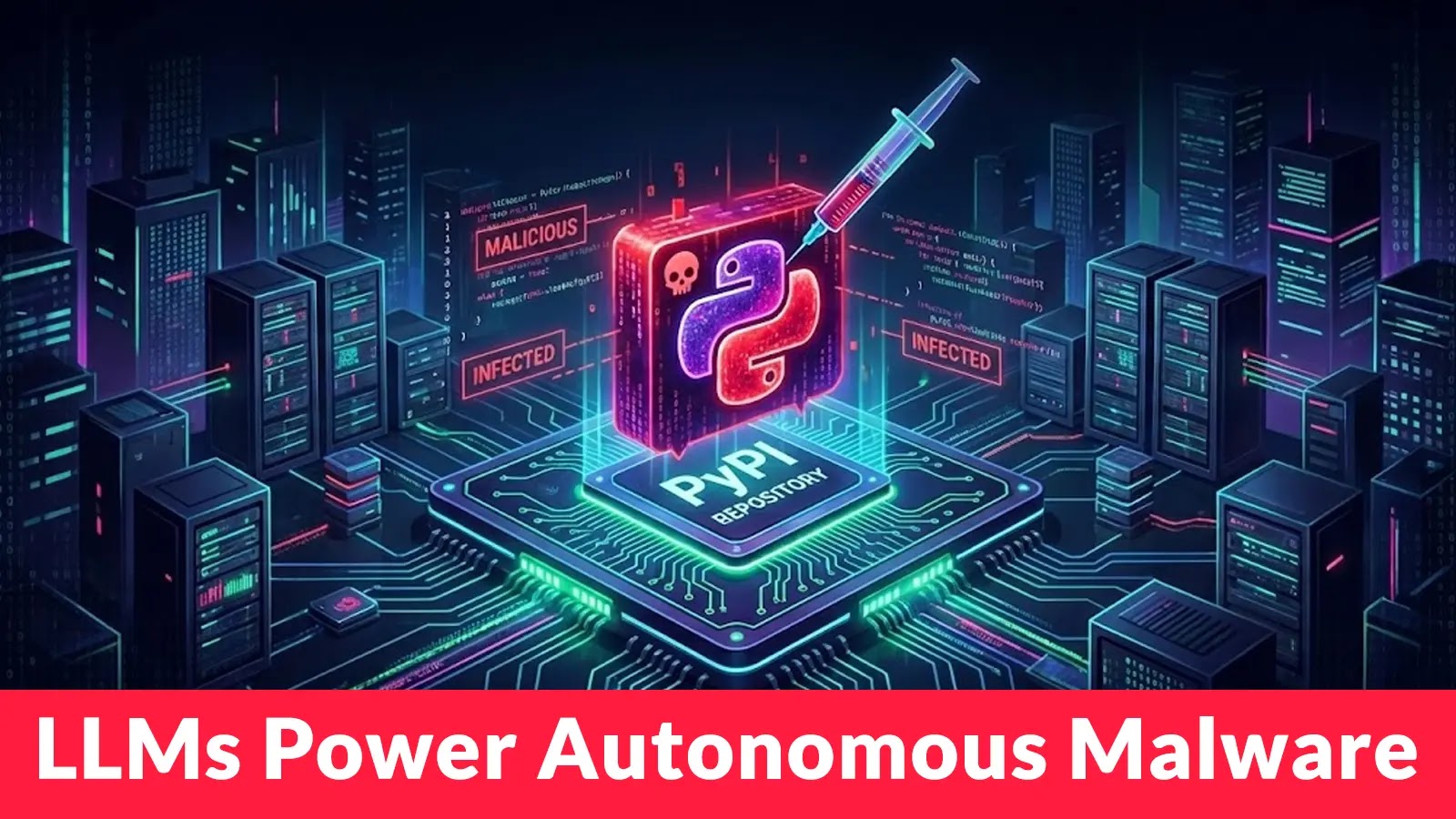
Recent reports detail a cunning supply chain attack where malicious actors leveraged a counterfeit Python package on PyPI to ensnare unsuspecting users. The attackers meticulously crafted a package designed to imitate the popular pyspellchecker library, a legitimate tool boasting over 18 million downloads. This tactic, known as typosquatting or brand impersonation, relies on users making a minor error in package names or simply downloading what appears to be a widely-used utility.
Once installed, this malicious twin didn’t merely provide spell-checking functionality. Instead, it was engineered to compromise the victim’s system, specifically targeting cryptocurrency-related information. This illustrates a severe escalation in supply chain attacks, moving beyond general system compromise to specific data exfiltration directly linked to financial assets.
Understanding the Attack Vector: PyPI’s Role in Software Supply Chains
PyPI serves as the official third-party software repository for Python, hosting thousands of packages that developers worldwide use daily. Its open and accessible nature, while a cornerstone of the Python community, also presents an attack surface. Malicious packages can be uploaded, masquerading as legitimate ones, or introducing backdoors into otherwise benign libraries. Developers, inadvertently incorporating these compromised packages into their projects, can then unknowingly distribute malware downstream to their own users.
This particular campaign underscores the vulnerability of even well-established software supply chains. The trust placed in repositories like PyPI is a significant asset for attackers, who exploit this trust to distribute their payloads effectively and at scale.
Impact and Consequences: Cryptocurrency Theft and Data Exfiltration
The primary objective of this malicious PyPI package was the exfiltration of cryptocurrency details. While the specific methods of data collection were not fully detailed in the original report, such attacks typically involve:
- Scanning for cryptocurrency wallet files.
- Capturing private keys or seed phrases.
- Monitoring clipboard activity for wallet addresses during transactions.
- Stealing credentials for cryptocurrency exchanges.
The financial ramifications for victims can be severe, leading to irreversible loss of digital assets. Beyond direct financial loss, compromised systems can serve as launchpads for further attacks, exposing sensitive personal and corporate data.
Remediation Actions and Protective Measures
Mitigating the risk of such supply chain attacks requires a multi-layered approach involving technical safeguards, developer best practices, and continuous vigilance.
- Verify Package Authenticity: Always confirm the source and legitimacy of critical packages before installation. Cross-reference package names, authors, and repository URLs with official documentation.
- Use Virtual Environments: Isolate development environments using tools like
venvorcondato prevent malicious packages from affecting your entire system. - Implement Least Privilege: Run development tools and installations with the minimum necessary permissions.
- Employ Static Application Security Testing (SAST): Integrate SAST tools into your CI/CD pipeline to scan your codebase, including third-party dependencies, for known vulnerabilities and suspicious patterns.
- Dependency Scanning: Regularly scan your project’s dependencies for known vulnerabilities using tools specifically designed for this purpose.
- Monitor Network Traffic: Observe outbound network connections from development environments for unusual activity.
- Educate Developers: Foster a security-aware culture among development teams regarding the risks of supply chain attacks.
Tools for Enhanced Supply Chain Security
The following tools can aid in detecting and mitigating risks associated with malicious packages and supply chain vulnerabilities:
| Tool Name | Purpose | Link |
|---|---|---|
pip-audit |
Audits Python project dependencies for known vulnerabilities. | https://pypi.org/project/pip-audit/ |
| OWASP Dependency-Check | Analyzes project dependencies and checks for known, publicly disclosed vulnerabilities. | https://owasp.org/www-project-dependency-check/ |
| Snyk Open Source | Automatically finds and fixes vulnerabilities in open-source dependencies. | https://snyk.io/product/open-source-security/ |
| TruffleHog | Scans repositories for exposed credentials and secrets. While not directly for malicious packages, it helps prevent exfiltration if credentials are leaked. | https://trufflesecurity.com/trufflehog/ |
Looking Ahead: The Evolving Threat Landscape
This incident serves as a stark reminder that the battle for cybersecurity is continuous. Attackers will relentlessly seek new avenues to exploit, and software supply chains remain a highly attractive target due to their foundational role in modern software development. Maintaining a proactive security posture, combining robust tools with diligent human oversight, is paramount in defending against these evolving threats.
Stay informed about emerging threats and regularly update your security practices to protect against sophisticated supply chain attacks that aim to compromise your systems and steal your assets.