Hackers Linked to State Actors Target Signal Messages of Military Officials and Journalists
State-Sponsored Actors Target Signal: A Deep Dive into European Espionage
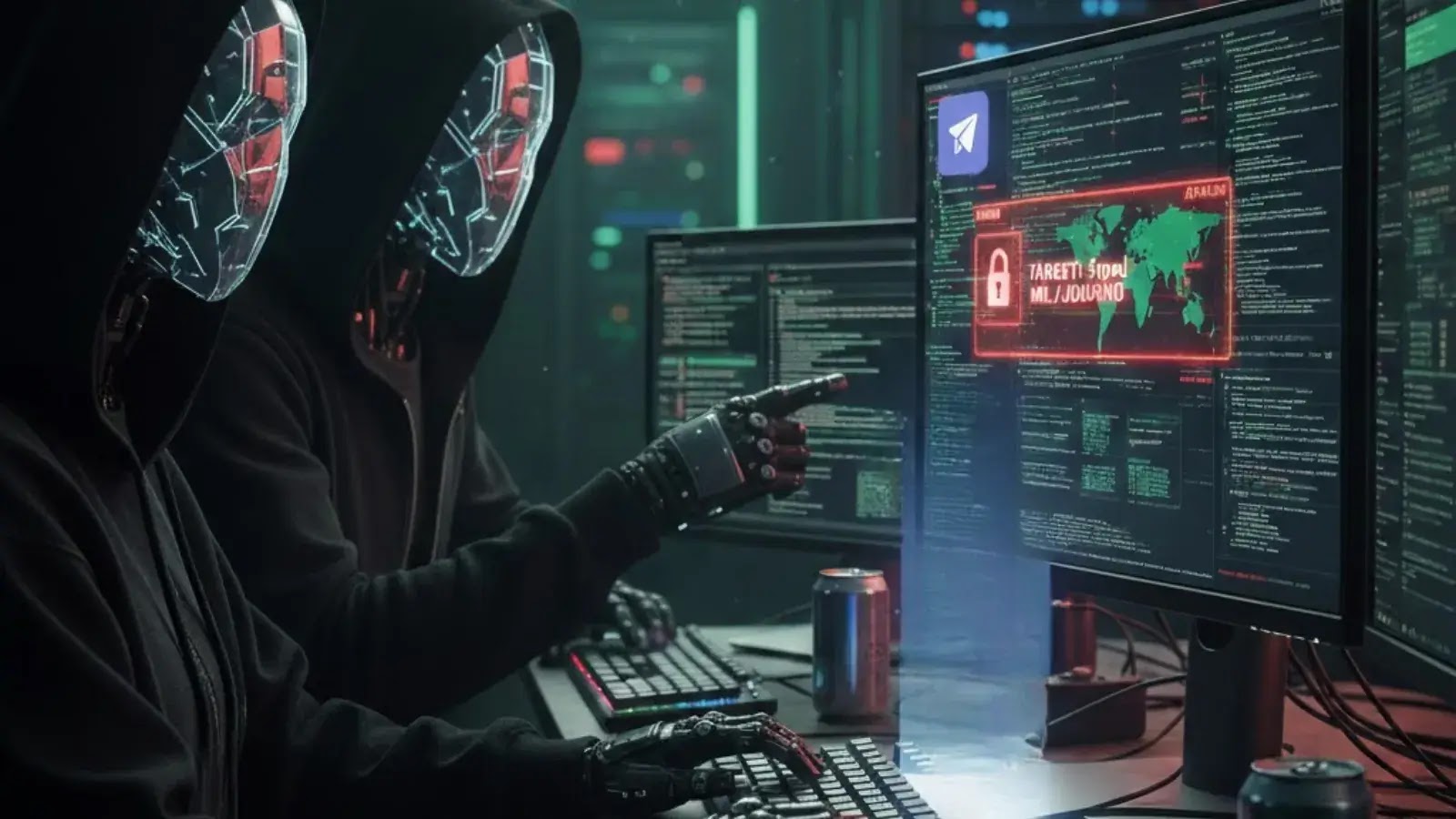
The digital shadows are lengthening over Europe, as a chilling new development in cyber espionage comes to light. Germany’s premier security agencies, the Federal Office for the Protection of the Constitution (BfV) and the Federal Office for Information Security (BSI), have issued a stark warning: state-sponsored hackers are actively compromising Signal accounts. Their targets? High-ranking military officials and journalists across the continent, signaling a calculated and aggressive campaign to intercept sensitive communications. This isn’t just about data theft; it’s about undermining national security and manipulating public discourse through surreptitious access to private conversations.
The Anatomy of the Attack: Hijacking Secure Communications
The reported campaign involves sophisticated methods to gain unauthorized access to Signal accounts. While the exact vectors haven’t been fully disclosed, such attacks typically leverage a combination of social engineering and technical vulnerabilities. Threat actors might employ highly convincing phishing schemes, impersonating trusted entities to trick targets into revealing credentials or installing malware. Another common tactic involves SIM swap attacks, where attackers convince mobile carriers to transfer a victim’s phone number to a new SIM card under their control, thereby enabling them to intercept verification codes for services like Signal.
The choice of Signal as a target is particularly notable. Widely regarded for its end-to-end encryption, Signal is a preferred communication platform for individuals seeking high levels of privacy, including journalists, activists, and, crucially, military and government personnel. Compromising these accounts means bypassing robust encryption and gaining direct access to conversations previously considered unassailable. This capability offers state-sponsored actors an unparalleled intelligence advantage, allowing them to monitor strategic discussions, uncover sources, and potentially interfere with operations.
Who is Behind It? The State-Sponsored Nexus
While the German agencies have attributed the attacks to “state-sponsored hackers,” specific nation-states have not been publicly identified. However, the nature of the targets – military officials and journalists – strongly suggests an interest in geopolitical intelligence, national defense strategies, and information control. Such campaigns are characteristic of advanced persistent threat (APT) groups, which are typically well-funded, highly organized, and operate with long-term strategic objectives aligned with national interests. These groups often possess significant resources to develop custom exploits, conduct extensive reconnaissance, and sustain sophisticated operations for extended periods.
Implications for National Security and Information Integrity
The implications of this campaign are profound. For military officials, compromised Signal accounts could expose classified operational details, troop movements, strategic planning, and sensitive intelligence, directly jeopardizing national security and the lives of personnel. For journalists, such an attack represents a severe threat to source protection and press freedom. The ability of state actors to unmask confidential sources not only endangers those individuals but also stifles investigative journalism and the free flow of information, ultimately undermining democratic processes.
Remediation Actions and Proactive Defenses
Given the severity and sophistication of these attacks, immediate and comprehensive defensive measures are critical. Organizations and individuals, especially those in sensitive roles, must adopt a proactive cybersecurity posture.
- Enable Two-Factor Authentication (2FA) with Hardware Keys: Relying solely on SMS-based 2FA is risky, especially with the prevalence of SIM swap attacks. Implement strong 2FA, ideally using physical security keys (e.g., YubiKey) whenever possible for critical accounts.
- Beware of Social Engineering: Be extremely vigilant about unsolicited communications, regardless of sender. Verify the legitimacy of all requests for personal information or account access through independent channels. Phishing remains a primary initial vector.
- Regular Software Updates: Ensure that all operating systems, applications (including Signal), and security software are consistently updated to the latest versions. Updates often include patches for newly discovered vulnerabilities. While no specific CVE has been linked to the Signal account hijacking in this report, maintaining patch hygiene is a fundamental defense.
- Device Security: Implement strong passcodes and biometric security on all mobile devices. Avoid connecting to untrusted Wi-Fi networks and consider using a reputable VPN for all internet traffic.
- Organizational Training: For military and media organizations, mandatory and recurring cybersecurity awareness training is paramount. Educate personnel on the latest threat vectors, social engineering tactics, and the importance of reporting suspicious activity.
- Incident Response Planning: Develop and regularly test comprehensive incident response plans. Knowing how to react swiftly and effectively to a compromised account can mitigate potential damage.
Tools for Enhanced Security
| Tool Name | Purpose | Link |
|---|---|---|
| YubiKey | Hardware security key for robust 2FA | https://www.yubico.com/products/yubikey-5-series/ |
| ProtonVPN | Secure VPN service for encrypted communication | https://protonvpn.com/ |
| Malwarebytes | Endpoint detection and response (EDR) for malware protection | https://www.malwarebytes.com/ |
| Have I Been Pwned? | Checks if your email or phone number has been compromised in data breaches | https://haveibeenpwned.com/ |
Conclusion: Heightened Vigilance Amidst Evolving Threats
The targeting of Signal messages belonging to military officials and journalists by state-sponsored actors represents a critical escalation in cyber espionage. This development underscores the continuous and evolving threat landscape, where even highly secure communication platforms can become targets. The warning from BfV and BSI serves as a stark reminder of the sophisticated capabilities of state-backed entities and the imperative for heightened vigilance, robust security practices, and continuous education across all sectors, particularly for those handling sensitive information. Protecting these communication channels is not merely an individual responsibility but a collective defense against forces seeking to undermine security and truth.