Hackers Registered 18,000 Holiday-Themed Domains Targeting ‘Christmas,’ ‘Black Friday,’ and ‘Flash Sale’
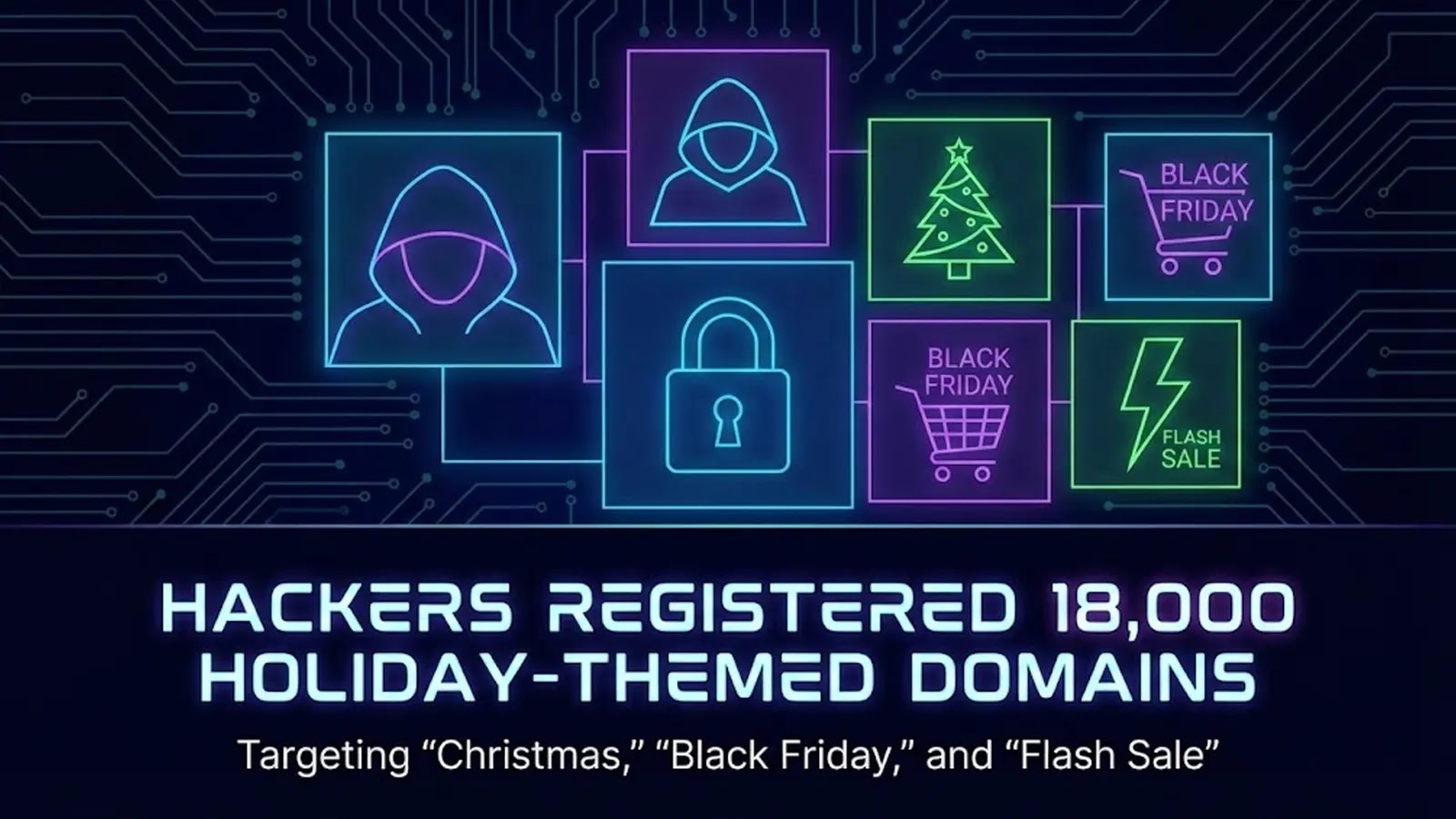
As the holiday season approaches, a familiar buzz fills the air: the promise of Black Friday deals, Christmas cheer, and irresistible flash sales. But beneath this festive veneer, a sinister and increasingly sophisticated threat landscape is unfolding. Cybercriminals are turbocharging their operations, exploiting the global surge in online commerce with alarming precision. This year, the scale of this deception is unprecedented, with hackers registering a staggering 18,000 holiday-themed domains, meticulously crafted to ensnare unsuspecting shoppers and organizations.
This isn’t just about opportunistic phishing; it’s a calculated, industrialized assault. Attackers are leveraging automated tools to expand their reach across multiple merchant categories, creating a web of deceptive digital assets that poses a significant risk to consumers and businesses alike. Understanding this evolving threat is crucial for anyone navigating the digital marketplace during this peak retail period.
The Industrialization of Deception: A New Scale of Cyber Threats
The 2025 holiday season marks a critical juncture in cybersecurity. What was once a scattered effort by individual bad actors has transformed into a highly organized, automated campaign. The registration of 18,000 holiday-themed domains is not a series of isolated incidents; it represents a strategic shift towards an “industrialized infrastructure” for cybercrime.
This approach allows threat actors to:
- Scale Operations Rapidly: Automated tools facilitate the swift creation and deployment of vast numbers of malicious websites, vastly increasing the attack surface.
- Broaden Attack Vectors: By targeting a wide array of terms like ‘Christmas,’ ‘Black Friday,’ and ‘Flash Sale,’ they cast a wide net, hoping to catch individuals searching for legitimate deals or information.
- Evade Detection: The sheer volume and rapid turnover of these domains make it challenging for traditional security measures to keep pace. New domains pop up as old ones are blacklisted, creating a constant cat-and-mouse game.
- Exploit Trust: Holiday themes inherently evoke a sense of urgency and excitement, making users more susceptible to clicking on malicious links or entering sensitive information on counterfeit sites.
The primary vector for these attacks often involves phishing and malvertising. Users are directed to these deceptive domains through convincing emails, social media ads, or even poisoned search results. Once there, they face risks ranging from credential theft and malware downloads to financial fraud.
Understanding the Threat Landscape: What’s at Stake?
The deployment of 18,000 malicious domains isn’t merely an inconvenience; it’s a direct threat to:
- Consumer Trust and Financial Security: Shoppers risk losing money through fraudulent purchases, having their financial details stolen, or falling victim to identity theft.
- Brand Reputation: Legitimate businesses can suffer significant reputational damage if their customers are tricked by fake websites mimicking their brands. This can lead to decreased sales and customer loyalty.
- Organizational Security: Employees, especially those working remotely or handling sensitive data, can inadvertently expose corporate networks to malware or phishing attacks by interacting with these fraudulent sites from company devices.
- Data Privacy: Malicious domains are often designed to harvest personal identifiable information (PII), leading to broader data breaches and privacy compromises.
These campaigns are often sophisticated, employing techniques like domain squatting, typosquatting (e.g., “BlacKFriday.com” instead of “BlackFriday.com”), and the creation of highly convincing fake websites that are difficult to distinguish from legitimate ones without careful scrutiny.
Remediation Actions: Protecting Yourself and Your Organization
Amidst this elevated threat, proactive measures are paramount. Both individuals and organizations must adopt a vigilant and informed approach to cybersecurity during the holiday shopping season and beyond.
For Individuals:
- Verify URLs Carefully: Always scrutinize the website address before clicking or entering any information. Look for “https://” and the padlock icon, but understand these alone are not guarantors of legitimacy. Be wary of subtle misspellings or odd domain extensions.
- Shop Directly: Whenever possible, navigate directly to official retailer websites rather than clicking on links from unsolicited emails or social media ads.
- Use Strong, Unique Passwords: Employ robust, unique passwords for all online accounts, especially shopping and banking sites. Consider a password manager.
- Enable Multi-Factor Authentication (MFA): Activate MFA on all accounts that support it. This adds a critical layer of security against credential theft.
- Be Skeptical of “Too Good to Be True” Deals: If a discount seems unusually high, it’s often a red flag.
- Monitor Bank Statements: Regularly check credit card and bank statements for unauthorized transactions.
- Keep Software Updated: Ensure your operating system, web browsers, and antivirus software are always up-to-date.
For Organizations (Especially e-commerce and retail):
- Domain Monitoring: Implement robust domain monitoring services to identify new registrations that are deceptively similar to your brand, product names, or holiday campaign terms (e.g., “YourBrandBlackFriday.com”).
- Employee Training and Awareness: Conduct regular cybersecurity training focused on phishing, social engineering, and the dangers of clicking on suspicious links. Emphasize the heightened risks during peak seasons.
- Email Security Solutions: Deploy advanced email filtering and anti-phishing solutions to block malicious emails before they reach employee inboxes.
- Web Content Filtering: Utilize web content filtering to block access to known malicious and suspicious domains from corporate networks.
- Incident Response Plan: Ensure your organization has a well-defined and regularly tested incident response plan to quickly address potential breaches or fraud attempts.
- Customer Communication: Proactively inform your customers about common holiday scams and advise them on how to identify legitimate communications and websites from your brand.
- Utilize DMARC, DKIM, and SPF: Implement these email authentication protocols to help prevent email spoofing of your domains, making it harder for attackers to impersonate your business.
The Ongoing Battle for Digital Trust
The registration of 18,000 holiday-themed domains underscores a key principle in cybersecurity: the attackers are relentless, and their methods are constantly evolving. Their reliance on automated tools and the sheer volume of malicious assets they deploy create a formidable challenge.
While no single defense is foolproof, a layered security approach combined with heightened awareness remains our strongest protection. By understanding the tactics of these cybercriminals and implementing proactive security measures, we can better safeguard ourselves and our digital ecosystems against the pervasive threat of holiday season fraud.
Stay vigilant, stay secure, and enjoy the holiday season knowing you’ve taken the necessary steps to protect your digital footprint.