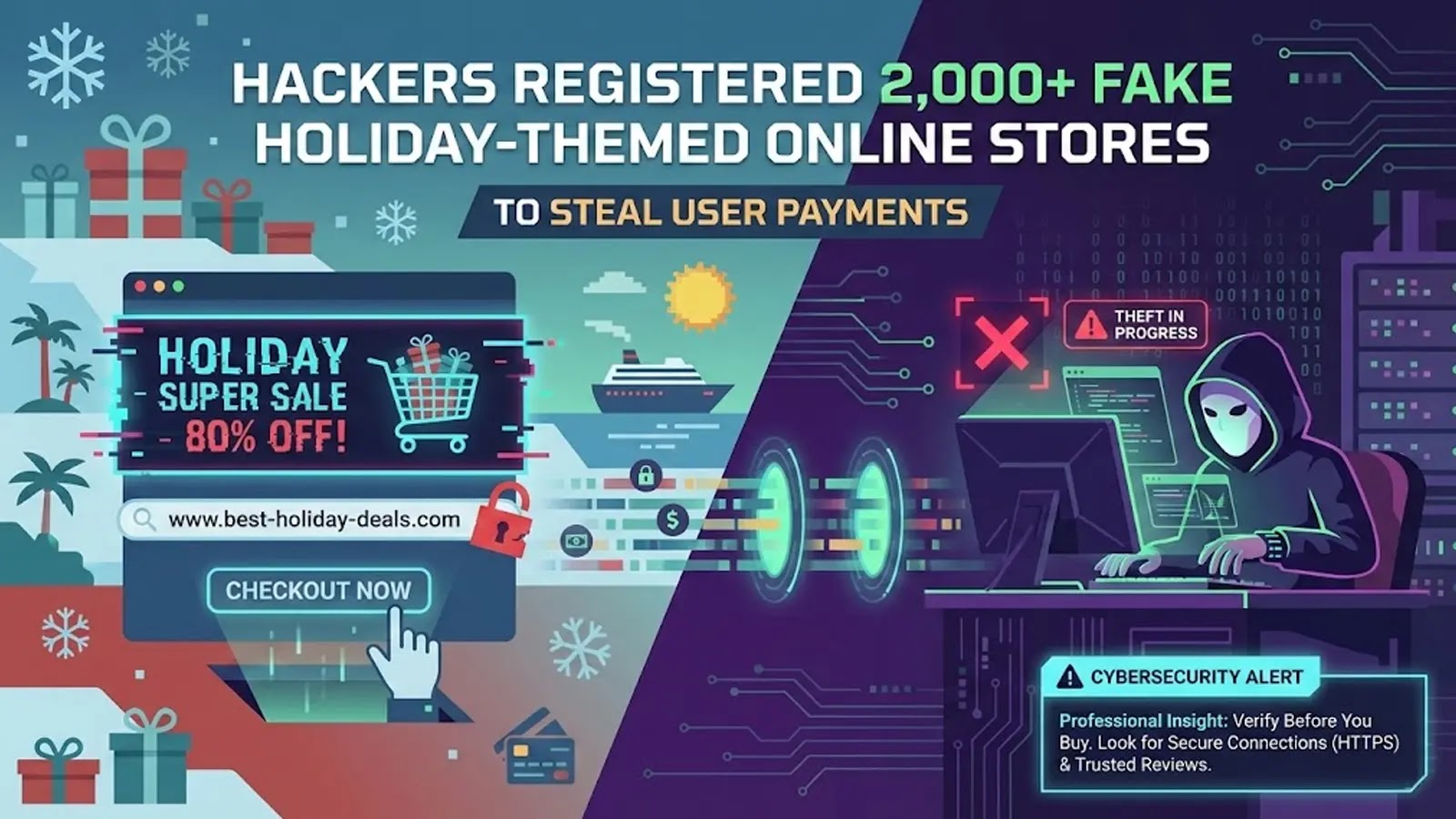
Hackers Registered 2,000+ Fake Holiday-Themed Online Stores to Steal User Payments
Navigating the Treacherous Tinsel: Unmasking 2,000+ Fake Holiday Stores Stealing Your Payments
The holiday shopping season, a time often marked by joy and generosity, has unfortunately become a fertile ground for cybercriminals to exploit. As Black Friday and Cyber Monday recede, and the countdown to the festive period intensifies, a disturbing trend has emerged: a massive, coordinated campaign involving over 2,000 fake, holiday-themed online stores designed to ensnare unsuspecting shoppers. These sophisticated scams are not merely annoying; they are precision-engineered traps aimed squarely at stealing your payment information and personal data.
This malicious network, flagged by cybersecurity researchers, represents a significant threat to consumer trust and financial security. The sheer scale of this operation underscores the urgent need for heightened vigilance and robust digital hygiene practices from every online shopper.
The Anatomy of Deception: How These Fake Stores Operate
These fraudulent online stores are crafted with a singular purpose: to appear legitimate enough to convince you to part with your money and sensitive information. The playbook is distressingly familiar, yet often highly effective:
- Lure with Irresistible Discounts: The primary bait used by these sites is the promise of unbelievably steep discounts, often far exceeding what genuine retailers can offer. These “deals” leverage the holiday rush mentality, prompting consumers to make impulse purchases without adequate scrutiny.
- Holiday Branding and Themes: To maximize their appeal during this specific season, these sites are meticulously branded with holiday aesthetics. Think festive colors, seasonal product imagery, and language designed to evoke the spirit of giving and celebration. This thematic consistency adds a layer of superficial legitimacy.
- Exploiting Urgency: Many sites incorporate countdown timers, stock scarcity notifications, or “limited-time offers” to create a false sense of urgency. This psychological manipulation is intended to bypass critical thinking and accelerate the purchase decision.
- Payment Information Theft: The ultimate goal is to capture your credit card details, PayPal credentials, or other payment information. Upon transaction, your money goes directly to the fraudsters, and you receive nothing in return, or perhaps a counterfeit item.
- Identity Theft Risk: Beyond payment theft, these sites often collect personal identifying information (PII) such as names, addresses, phone numbers, and email addresses. This data can then be used for future phishing attacks, spam campaigns, or even more severe forms of identity theft.
The registration of over 2,000 such domains indicates a well-resourced and organized criminal enterprise, leveraging automated processes to scale their attack surface rapidly.
Remediation Actions: Protecting Yourself from Holiday Shopping Scams
In the face of such a widespread threat, proactive measures are your strongest defense. Here’s how you can protect yourself and your loved ones from these fraudulent holiday-themed stores:
- Verify the URL Carefully: Always double-check the website address before entering any personal or payment information. Look for subtle misspellings, unusual domain extensions (.xyz, .top, etc., especially if unfamiliar for a known brand), or a lack of HTTPS (the padlock icon in the browser). A legitimate site will always use
https://for transactions. - Research Unknown Retailers: If you encounter a store offering an incredible deal from a brand you don’t recognize, take a few minutes to search for reviews, contact information, and their online presence on reputable platforms. A quick search for “[store name] reviews” or “[store name] scam” can reveal warning signs.
- Beware of Unrealistic Deals: If a deal seems too good to be true, it almost certainly is. Authentic retailers rarely offer discounts that dramatically undercut market prices, especially on popular items during peak shopping seasons.
- Use Strong, Unique Passwords: Even if a site appears legitimate, using strong, unique passwords for all your online accounts is crucial. If one of these fake sites manages to compromise your credentials, unique passwords prevent a cascading breach across other services. Consider using a password manager.
- Monitor Bank and Credit Card Statements: Regularly review your financial statements for any unauthorized or suspicious transactions. Report any discrepancies to your bank or credit card company immediately.
- Use Secure Payment Methods: Whenever possible, opt for payment methods that offer strong consumer protection, such as credit cards (which often have fraud liability protection) or trusted third-party payment services like PayPal, which can mediate disputes. Avoid direct bank transfers or cryptocurrency payments to unknown vendors, as these are almost impossible to reverse.
- Be Skeptical of Unsolicited Communications: Phishing emails and SMS messages promoting irresistible deals are common tactics to drive traffic to these fake stores. Do not click on links in suspicious messages.
The Broader Implications for Cybersecurity
This surge in fake holiday shopping sites highlights several critical aspects of the evolving threat landscape:
- Seasonal Exploitation: Cybercriminals are highly adept at capitalizing on seasonal events and human behavior patterns. The holiday season, with its increased online activity and urgency, is a prime target.
- Sophistication of Phishing/Scam Attacks: The sheer volume and professional appearance of many of these fake sites indicate a growing sophistication in scam operations. They often utilize legitimate-looking templates and even steal copyrighted imagery from real brands.
- Importance of User Education: Technical safeguards are essential, but end-user education remains a cornerstone of cybersecurity. Empowering online shoppers with the knowledge to identify and avoid scams is crucial.
Conclusion: Stay Agile, Stay Safe
The discovery of over 2,000 fake holiday-themed online stores serves as a stark reminder that cyber threats are constant, evolving, and specifically tailored to exploit prevailing circumstances. While the convenience of online shopping is undeniable, it must be balanced with a diligent and cautious approach. By understanding the tactics employed by these scammers and adhering to fundamental cybersecurity best practices, consumers can significantly reduce their risk of falling victim to financial fraud and identity theft. Prioritize verification, question unrealistic offers, and make your holiday shopping experience a secure one.