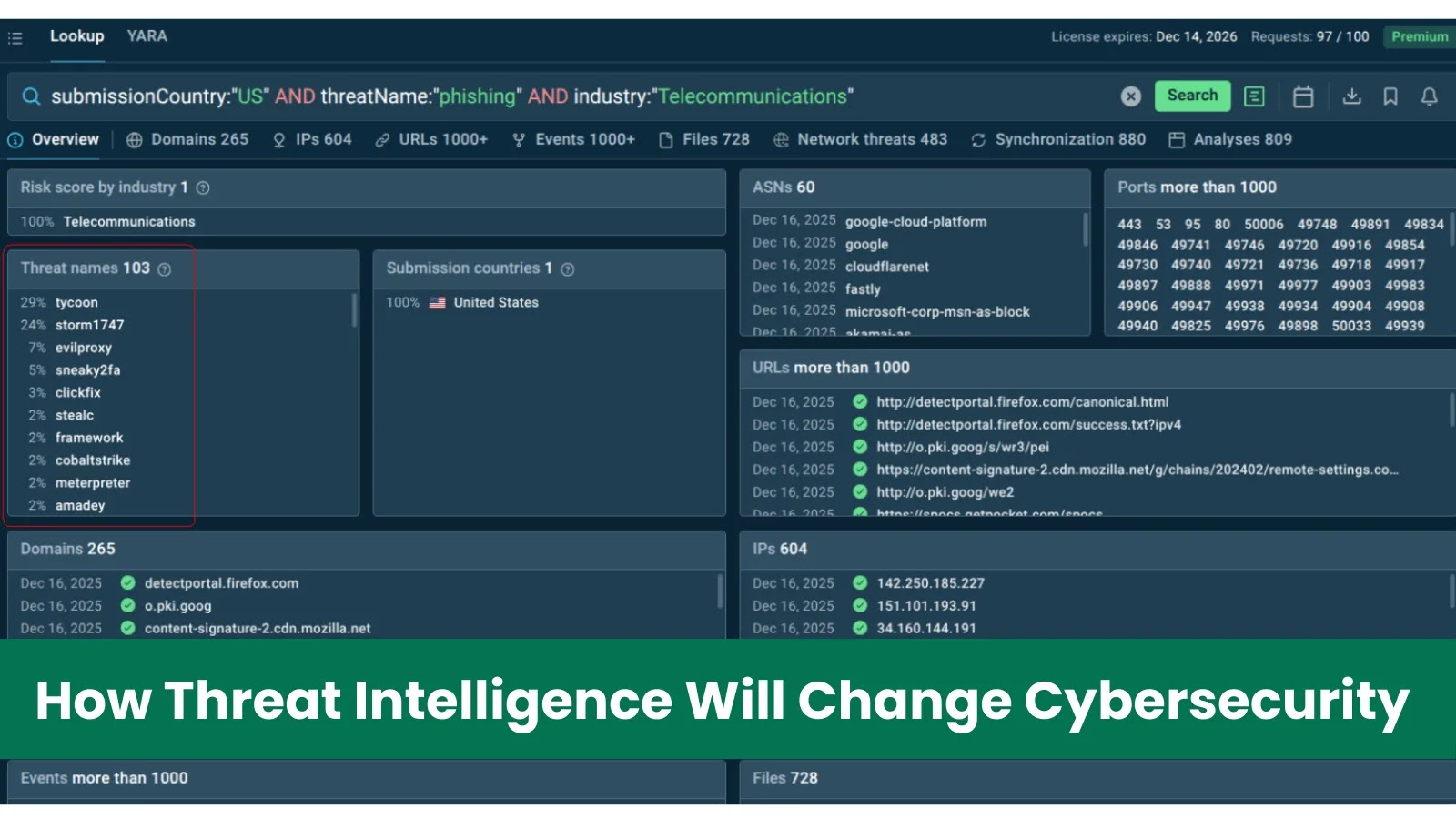
How Threat Intelligence Will Change Cybersecurity in 2026
The Shifting Sands of Cyber Defense: How Threat Intelligence Will Redefine Cybersecurity by 2026
The cybersecurity landscape is in constant flux, a relentless battle between attackers and defenders. For too long, it felt like an uphill struggle, with organizations reacting to threats rather than proactively anticipating them. However, as we barrel towards 2026, a significant and promising shift is underway. The evolving threat trends aren’t merely challenges; they are powerful catalysts pushing Security Operations Centers (SOCs) to become more sophisticated, efficient, and, critically, better aligned with overarching business objectives. Forward-thinking leaders are no longer just considering advanced threat intelligence; they are actively embracing it as a strategic imperative, transforming potential vulnerabilities into distinct competitive advantages. Solutions like ANY.RUN’s Threat Intelligence Feeds exemplify this evolution, providing the actionable insights needed to stay ahead.
Beyond Reactive: The Proactive Power of Advanced Threat Intelligence
Historically, cybersecurity often operated in a reactive mode, patching vulnerabilities and responding to breaches after they occurred. This approach is no longer sustainable. The sheer volume and sophistication of modern cyberattacks demand a proactive stance. Enter advanced threat intelligence. By 2026, it won’t be a luxury but a fundamental component of any robust security strategy. This intelligence provides granular insights into attacker methodologies, emerging malware strains, and specific industry-targeted campaigns, allowing organizations to anticipate and neutralize threats before they can inflict damage.
- Predictive Defense: Moving from “if we get attacked” to “how are they going to attack us next?”
- Resource Optimization: Directing limited security resources to the most critical threats and vulnerabilities.
- Strategic Alignment: Ensuring cybersecurity initiatives directly support business continuity and growth.
The Evolution of SOCs: Smarter, Faster, and Business-Aligned
Threat intelligence is the fuel that will power the next generation of SOCs. These aren’t the siloed, alert-fatigued teams of the past. Instead, 2026’s SOCs will be highly integrated, data-driven units capable of rapid analysis and decisive action. They will leverage automated playbooks heavily informed by real-time and historical threat data, enabling them to triage and respond to incidents with unprecedented speed. This integration extends beyond technical capabilities; future SOCs will possess a deeper understanding of business priorities, ensuring their security efforts directly contribute to organizational resilience and operational uptime. For instance, understanding a specific ransomware group’s typical targets (e.g., those exploiting CVE-2023-38831 in widely used software) allows a SOC to prioritize patching and monitoring accordingly.
Actionable Intelligence: The Key to Strategic Advantage
The true value of threat intelligence lies in its actionability. By 2026, organizations will demand, and receive, intelligence that isn’t just a firehose of data but curated, relevant insights. This means intelligence feeds that integrate seamlessly with existing security tools, automated threat hunting capabilities, and incident response platforms. For example, knowing that a particular phishing campaign is exploiting a zero-day vulnerability (like a hypothetical CVE-2024-XXXXX) allows security teams to immediately implement specific email filtering rules, update intrusion detection signatures, and even proactively communicate with at-risk employees.
This proactive approach mitigates risks, reduces the financial impact of breaches, and safeguards an organization’s reputation. It transitions cybersecurity from a cost center to a strategic enabler, protecting assets that are crucial for business success.
Integration and Automation: The Future of Threat Intelligence Delivery
The future of threat intelligence isn’t just about collecting data; it’s about seamlessly integrating that data into the fabric of daily security operations and automating responses. Imagine a world where newly identified IOCs (Indicators of Compromise) are automatically pushed to your SIEM, EDR, and firewall rules within minutes of detection. This level of automation, powered by robust threat intelligence platforms, will significantly reduce manual effort and accelerate response times, allowing security teams to focus on complex, strategic challenges rather than repetitive tasks. Platforms offering enriched data on malware behaviors, such as those exploiting vulnerabilities like CVE-2023-46805, will be critical for rapid automated defense.
Empowering Defenders: A Brighter Outlook for Cybersecurity
The trends point to a future where cybersecurity defenders are not just holding the line but actively gaining ground. The widespread adoption of sophisticated threat intelligence will empower organizations to anticipate, detect, and respond to threats with unprecedented efficacy. This shift represents a fundamental transformation in how we approach digital security, moving from a reactive struggle to a proactive, strategic advantage. By 2026, the cybersecurity landscape will indeed be evolving in ways that favor the well-informed and strategically prepared defender.