How U.S K-12 Schools Can Solve Their Top 10 Cybersecurity Challenges – Free E-Book
Securing Our Students: How U.S. K-12 Schools Can Conquer Top Cybersecurity Challenges
The digital landscape of U.S. K-12 education is a complex and often perilous one. As students increasingly rely on technology for learning, the sensitive data they generate becomes a prime target for cyber attackers. School IT teams are under immense pressure to safeguard this information against a relentless barrage of threats, all while navigating tight budgets and limited resources. The consequences of a breach extend far beyond financial losses; they can compromise student privacy, disrupt learning, and erode public trust. This escalating threat landscape demands a proactive and informed approach to school cybersecurity.
Ransomware attacks, sophisticated phishing campaigns, and data breaches are no longer distant threats but a harsh reality for educational institutions. Cybercriminals view schools as “soft targets” – rich in valuable personal information, including academic records, health data, and financial details, yet often possessing less robust defenses than corporate entities. The imperative to protect this vulnerable ecosystem is clear. Fortunately, solutions and strategies exist to strengthen K-12 cybersecurity postura. Cynet’s free guide, “Top 10 Cybersecurity Challenges Faced by K-12 Institutions,” offers invaluable insights and actionable advice drawn from real-world successes. This blog post delves into the critical issues facing K-12 IT teams and outlines how they can mitigate these risks.
The Evolving Threat Landscape for K-12 Cybersecurity
The transition to remote learning during the recent pandemic accelerated the adoption of digital tools in schools, simultaneously expanding their attack surface. While technology has revolutionized education, it has also introduced new vulnerabilities. Attackers are increasingly sophisticated, employing advanced tactics to bypass traditional security measures. Phishing remains a primary vector, tricking staff and students into revealing credentials or installing malware. Ransomware can cripple school operations, demanding hefty payments to unlock critical systems and data, often impacting learning for extended periods. Data breaches, whether from external attackers or internal negligence, can expose personally identifiable information (PII) of students and staff, leading to severe privacy concerns and compliance penalties.
Top 10 Cybersecurity Challenges Faced by K-12 Institutions
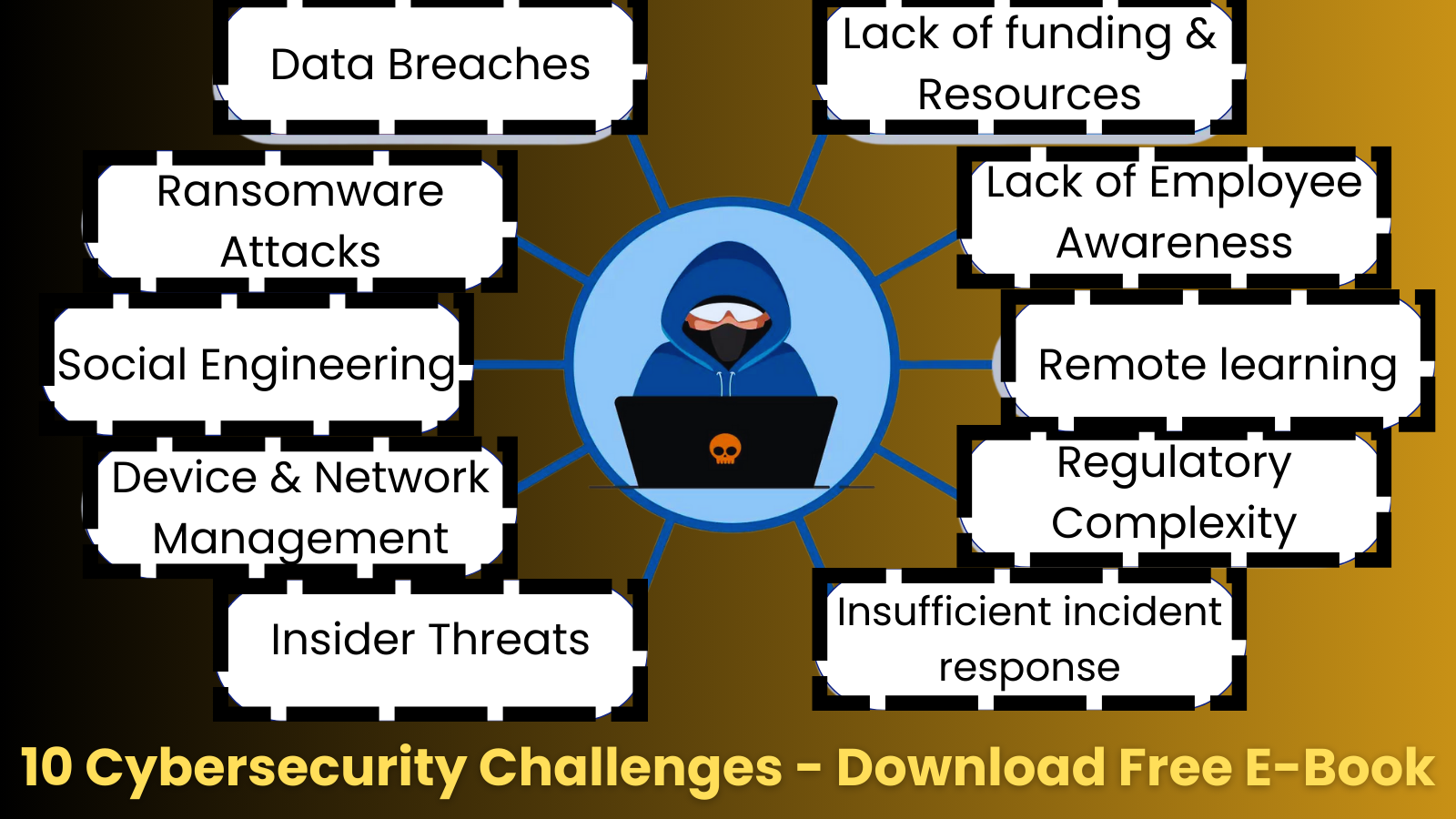
Cynet’s comprehensive guide illuminates the most pressing cybersecurity challenges confronting K-12 schools today. These challenges are multifaceted, touching upon technological, human, and budgetary aspects of school operations. Understanding these obstacles is the first step toward building a resilient cybersecurity framework.
- Budget Constraints: Limited funding often forces schools to prioritize other areas over robust cybersecurity investments. This leaves them vulnerable to attacks that could ultimately cost far more than preventive measures.
- Lack of Qualified Staff: Many K-12 IT departments are understaffed and lack specialists with advanced cybersecurity expertise, making it difficult to implement and manage sophisticated security solutions.
- Ransomware Attacks: These disruptive attacks can seize control of school networks and data, demanding large ransoms for their release and causing significant operational downtime. For example, the Conti ransomware group, active in various sectors including education, has been linked to numerous incidents.
- Phishing and Social Engineering: Educators and students are frequent targets for phishing emails designed to steal credentials or deploy malware. Campaigns often exploit current events or emotional triggers to maximize effectiveness.
- Insider Threats: Both malicious and unintentional actions by staff or students can lead to data breaches or system compromise. Misconfigured systems or accidental data exposure are common scenarios.
- Securing Remote Learning Environments: The surge in remote learning introduced new endpoints and a distributed attack surface, making it harder to monitor and protect all devices and connections.
- Data Privacy and Compliance: Schools handle vast amounts of sensitive student data, requiring strict adherence to regulations like COPPA (Children’s Online Privacy Protection Act) and FERPA (Family Educational Rights and Privacy Act).
- Outdated Infrastructure: Legacy systems and hardware can have unpatched vulnerabilities, making them easy targets for exploitation. Maintaining and upgrading these systems often strains already tight budgets.
- Lack of Cybersecurity Awareness Training: Human error is a significant factor in many breaches. Insufficient training for staff and students on basic cybersecurity hygiene can open doors for attackers.
- Third-Party Vendor Risks: Schools often rely on external vendors for software and services, introducing supply chain risks if those vendors have weak security postures.
Remediation Actions for K-12 Cybersecurity
Addressing these formidable challenges requires a multi-pronged strategy encompassing technology, policy, and education. Proactive measures are crucial to strengthen defenses and minimize the impact of potential incidents.
- Strategic Budget Allocation: Advocate for increased cybersecurity funding by demonstrating the potential costs of a breach versus the investment in prevention. Explore grants and state-level initiatives for educational cybersecurity.
- Staff Training and Development: Invest in professional development for existing IT staff to enhance their cybersecurity skills. Consider managed security service providers (MSSPs) to augment internal capabilities.
- Multi-Layered Ransomware Protection: Implement robust endpoint detection and response (EDR) solutions, regularly back up critical data, and test recovery plans. Employ network segmentation to limit the spread of ransomware.
- Comprehensive Phishing Awareness: Conduct regular simulated phishing exercises and provide ongoing training for all staff and students on how to identify and report suspicious emails. Implement email gateways with advanced threat protection.
- Insider Threat Mitigation: Implement strong access controls, conduct regular audits of user activity, and develop clear policies regarding data handling. Promote a culture of security awareness to reduce unintentional insider threats.
- Secure Remote Learning Frameworks: Utilize VPNs for remote access, enforce strong password policies, and ensure all devices used for remote learning are updated and protected with endpoint security software.
- Data Privacy by Design: Integrate privacy considerations into all data collection and processing activities. Conduct regular privacy impact assessments and ensure compliance with all relevant regulations.
- Infrastructure Modernization: Prioritize upgrading outdated hardware and software. Implement a patching schedule to address known vulnerabilities promptly. Utilize vulnerability management tools to identify weaknesses proactively.
- Mandatory Cybersecurity Awareness Programs: Develop and implement recurring, engaging cybersecurity training for everyone in the school community – from administrators to teachers and students.
- Vendor Risk Management: Establish a rigorous vetting process for all third-party vendors. Review their security policies, conduct regular audits, and include cybersecurity requirements in contracts.
Gain Deeper Insights with Cynet’s Free Guide
The challenges facing K-12 cybersecurity are significant, but they are not insurmountable. Proactive measures, informed strategies, and continuous vigilance are essential to protect the educational environment. To dive deeper into these critical issues and discover actionable solutions, download Cynet’s invaluable resource, “Top 10 Cybersecurity Challenges Faced by K-12 Institutions.” This free e-book provides expert analysis and practical guidance to help U.S. K-12 schools fortify their defenses against the evolving threat landscape.