Hundreds of Exposed Clawdbot Gateways Leave API Keys and Private Chats Vulnerable
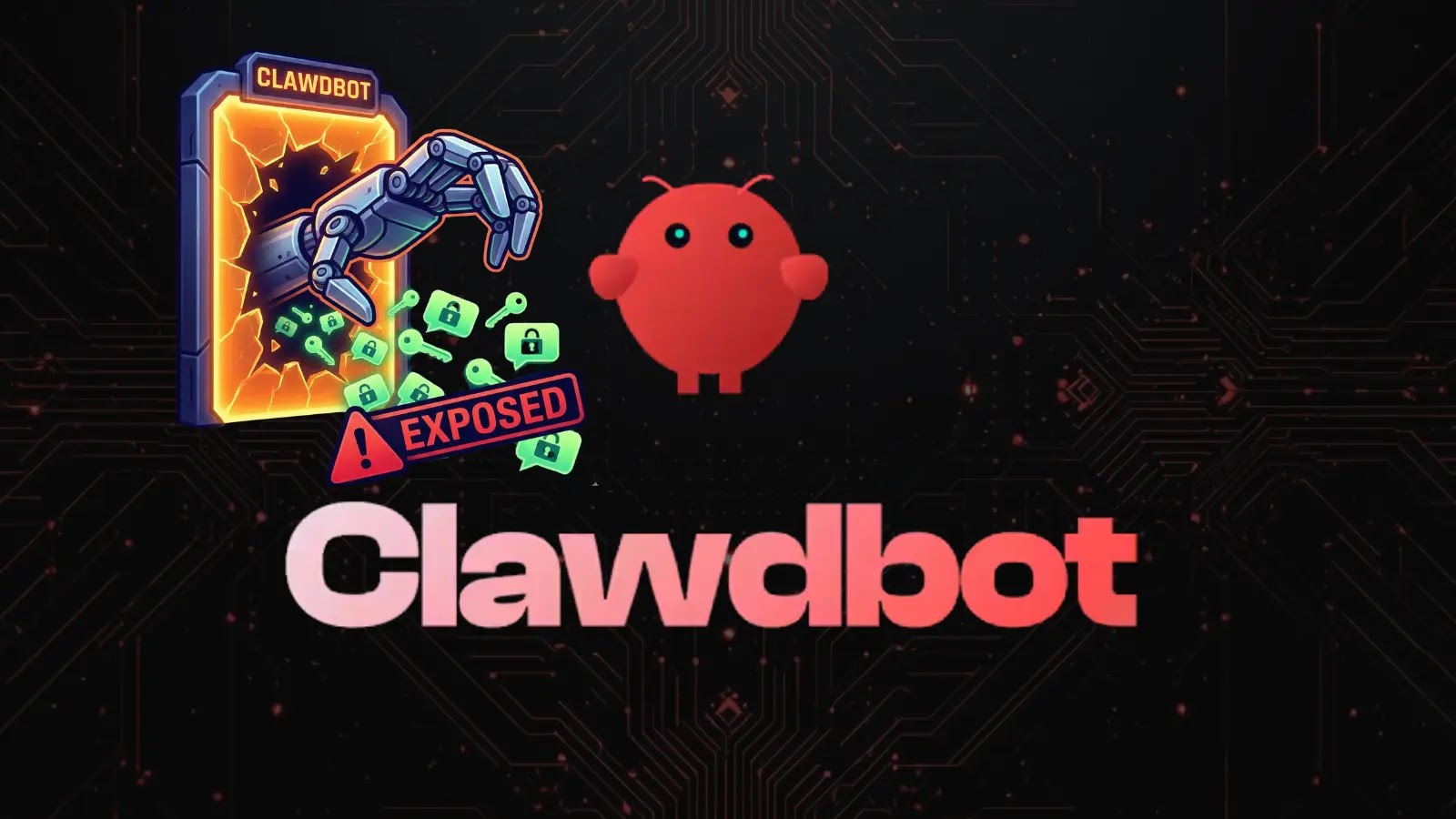
The digital landscape is constantly evolving, with new technologies emerging to streamline communication and enhance productivity. Among these, open-source AI agent gateways like Clawdbot have gained significant traction, promising seamless integration with popular messaging platforms such as WhatsApp, Telegram, Slack, Discord, Signal, and iMessage. However, the convenience and power of these tools are being overshadowed by a critical security vulnerability: over 900 Clawdbot instances have been left exposed online, creating a critical risk for credential theft, remote code execution, and the compromise of sensitive private conversations.
This widespread exposure highlights a concerning trend in the adoption of new technologies without adequate security considerations. For IT professionals, security analysts, and developers, understanding the mechanisms of this vulnerability and implementing immediate remediation is paramount to safeguarding organizational and personal data.
Clawdbot’s Security Flaw: Unauthenticated Access and Code Defects
The core of the Clawdbot vulnerability lies in inadequately secured instances of its gateway software. Threat actors have discovered over 900 Clawdbot gateways that are accessible online without requiring any authentication. This widespread lack of access control creates an open door for malicious actors to exploit inherent code flaws within the application.
Specifically, the exposed instances possess multiple code defects that facilitate two primary attack vectors:
- Credential Theft: Attackers can leverage these flaws to steal API keys and other sensitive credentials used by Clawdbot to connect with various messaging platforms and AI services. Once these keys are compromised, the attacker gains unauthorized access to associated accounts and data.
- Remote Code Execution (RCE): The identified code flaws also enable remote code execution, a critical vulnerability that allows an attacker to run arbitrary commands on the compromised server. This level of access grants complete control over the Clawdbot instance and potentially the underlying system, leading to data exfiltration, system disruption, or the installation of further malware.
The combination of unauthenticated instances and exploitable code flaws presents a severe risk. Attackers can not only intercept and view private chats conducted through Clawdbot but also manipulate the AI’s responses, integrate malicious instructions, or use the compromised gateway as a pivot point for further attacks within a network.
The Impact of Exposed API Keys and Private Chats
The consequences of these exposed Clawdbot gateways are far-reaching, impacting both individual users and organizations.
- Compromise of Confidential Communications: Private conversations routed through Clawdbot, whether personal or business-related, become susceptible to unauthorized access. This can lead to breaches of privacy, disclosure of sensitive corporate information, or even blackmail.
- API Key Exploitation: Stolen API keys can be used to impersonate legitimate users or applications, enabling attackers to interact with services linked to Clawdbot. This could include sending malicious messages, accessing personal data from integrated platforms, or incurring fraudulent charges for AI service usage.
- Supply Chain Attacks: Given Clawdbot’s role as a gateway, its compromise could facilitate supply chain attacks. If a developer uses a compromised Clawdbot instance, the attacker could inject malicious code or propagate malware through the legitimate channels.
- Reputational Damage: For organizations utilizing Clawdbot, a security breach stemming from exposed instances can severely damage their reputation, erode customer trust, and lead to significant financial and legal repercussions.
Remediation Actions
Addressing the Clawdbot vulnerability requires immediate and decisive action. Organizations and individual users must prioritize securing their instances and mitigating potential risks.
- Immediate Authentication Enforcement: Ensure that all Clawdbot gateway instances are protected by strong authentication mechanisms. This includes implementing robust passwords, multi-factor authentication (MFA) where available, and restricting access to trusted IP addresses.
- Isolate and Segment Clawdbot Instances: Network segmentation can significantly reduce the blast radius of a potential compromise. Isolate Clawdbot instances within a dedicated network segment, limiting their ability to interact with critical internal systems.
- Regular Security Audits: Conduct frequent security audits and penetration tests on all open-source components, including Clawdbot. This helps identify and address vulnerabilities before they can be exploited by attackers.
- Update to the Latest Version: Continuously monitor for and apply security patches and updates released by the Clawdbot project maintainers. These updates often address newly discovered vulnerabilities and security weaknesses.
- API Key Rotation and Monitoring: Regularly rotate API keys used by Clawdbot and implement continuous monitoring for suspicious API usage patterns. Any unusual activity should trigger immediate investigation and key revocation.
- Intrusion Detection/Prevention Systems (IDPS): Deploy and configure IDPS to monitor network traffic for indicators of compromise related to Clawdbot instances. This can help detect and block attack attempts in real-time.
- Educate Users: If Clawdbot is used within an organization, educate users about the risks of unauthorized access and the importance of reporting suspicious activity.
CVE Information and Tracking
While specific CVEs for these broader issues related to unauthenticated instances are yet to be formally assigned, the underlying code flaws that enable credential theft and remote code execution are critical concerns. Security researchers and maintainers are likely to issue specific CVEs as these issues are precisely identified and patched. Users should monitor relevant security advisories and the official Clawdbot project pages for updates. For example, a hypothetical RCE vulnerability might be tracked as: CVE-YYYY-XXXXX (Replace YYYY-XXXXX with actual CVEs when available).
Tools for Detection and Mitigation
The following tools can aid in identifying exposed instances and strengthening the security posture of Clawdbot deployments:
| Tool Name | Purpose | Link |
|---|---|---|
| Shodan | Detect exposed internet-facing devices and services, including unauthenticated Clawdbot instances. | https://www.shodan.io/ |
| Nmap | Network scanner for identifying open ports and services on Clawdbot gateway hosts. | https://nmap.org/ |
| OWASP ZAP | Web application security scanner to identify common vulnerabilities and misconfigurations in the Clawdbot web interface. | https://www.zaproxy.org/ |
| Wazuh | Host-based intrusion detection system (HIDS) for monitoring system integrity and detecting suspicious activity on Clawdbot hosts. | https://wazuh.com/ |
Conclusion
The discovery of hundreds of exposed Clawdbot gateways is a stark reminder of the continuous need for vigilance in cybersecurity. While open-source solutions offer immense benefits, they also demand proactive security management. The potential for credential theft, remote code execution, and compromise of private chats underscores the urgency of addressing this vulnerability. Adopting strong authentication, implementing robust security configurations, and maintaining continuous monitoring are essential steps to protect against such threats and ensure the secure operation of emerging AI agent gateways.