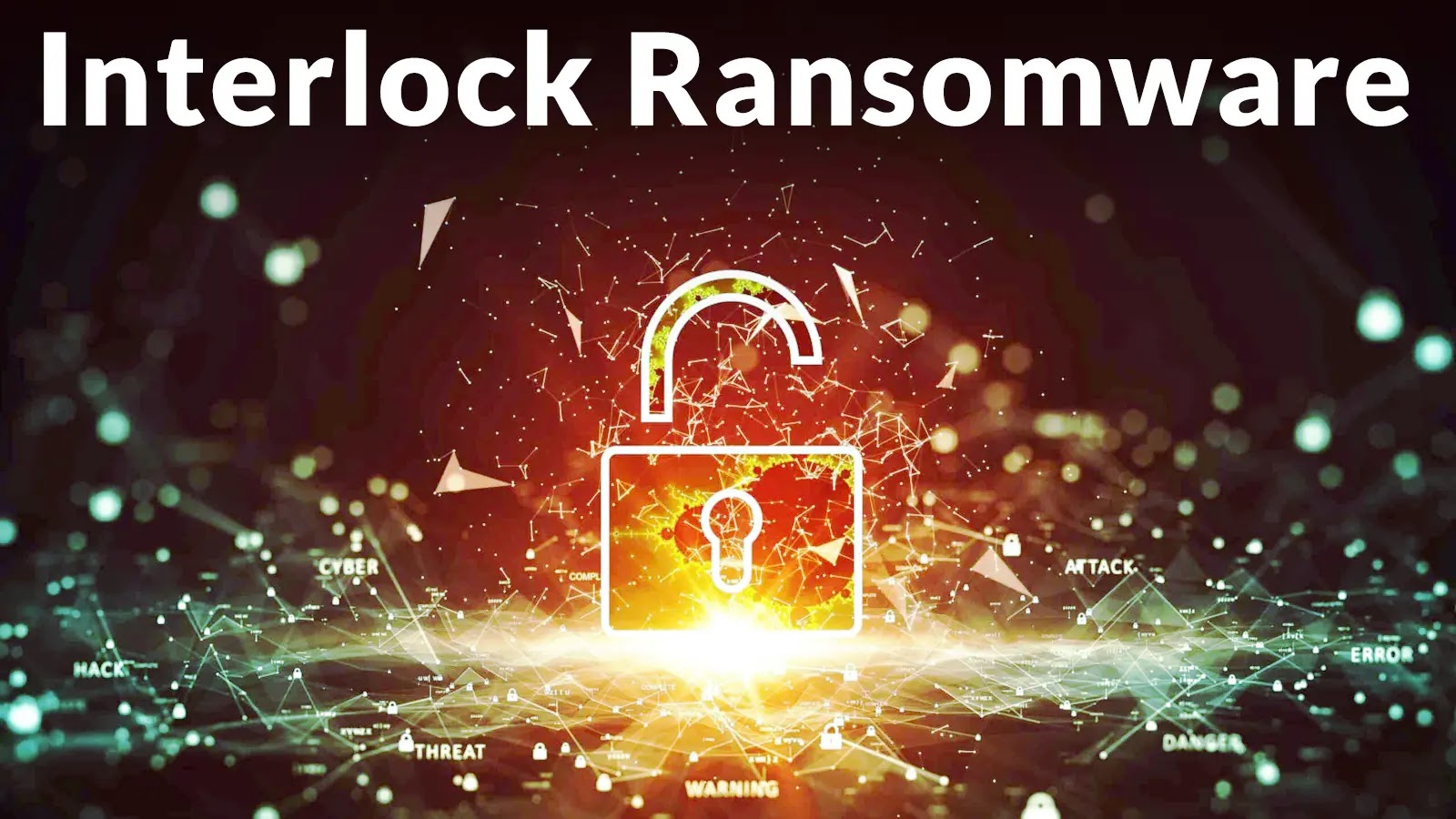
Interlock Ransomware Actors New Tool Exploiting Gaming Anti-Cheat Driver 0-Day to Disable EDR and AV
In a concerning development for enterprise security, the Interlock ransomware group has unveiled a new, potent tool capable of disabling endpoint detection and response (EDR) and antivirus (AV) solutions. This sophisticated capability leverages a zero-day vulnerability in a gaming anti-cheat driver, highlighting the ever-present threat of sophisticated adversaries exploiting seemingly innocuous software for malicious ends. This incident underscores the critical need for robust defense-in-depth strategies and vigilant monitoring, particularly for organizations in vulnerable sectors.
The Interlock Ransomware Group: A Dedicated Threat
Unlike many contemporary ransomware operations that operate under the Ransomware-as-a-Service (RaaS) model, Interlock stands out as a smaller, dedicated team. This group develops and manages its own proprietary malware, granting them a higher degree of control and adaptability. Their primary targets have been organizations within the education sector in both the United States and the United Kingdom, making this new tool of particular concern for these institutions.
The shift from relying on third-party tools to developing bespoke capabilities signifies a maturation in Interlock’s operational sophistication. This self-reliance allows them to tailor their attacks more precisely and to react to defensive measures with greater agility, posing a unique challenge to cybersecurity professionals.
Gaming Anti-Cheat Driver 0-Day: A Gateway to EDR/AV Disablement
The core of Interlock’s new tool lies in its exploitation of a zero-day vulnerability within a widely deployed gaming anti-cheat driver. While the specific CVE number for this vulnerability is currently undisclosed due to its zero-day nature, its impact is profound. By compromising this driver, interlock actors gain elevated privileges, enabling them to bypass and disable critical security software such as EDRs and AVs.
Gaming anti-cheat drivers often operate with high system privileges to effectively monitor and prevent cheating. This elevated access, while necessary for their intended function, presents a significant risk if exploited. Once compromised, these drivers can be leveraged to execute malicious code with carte blanche access to the underlying operating system, fundamentally undermining the security posture of an endpoint.
Impact and Implications of EDR/AV Disablement
The ability to disable EDR and AV solutions is a game-changer for ransomware operators. These security tools are the front line of defense for detecting and preventing malicious activity. By neutralizing them, Interlock actors can:
- Operate Undetected: Malicious activities, including data exfiltration, lateral movement, and payload deployment, can proceed without triggering alarms.
- Increase Attack Success Rates: The primary barriers to ransomware encryption are removed, significantly increasing the likelihood of a successful attack.
- Exfiltrate Data More Easily: Without EDR monitoring, sensitive data can be moved off-network with reduced risk of detection.
- Escalate Privileges Unhindered: Further privilege escalation attempts are less likely to be blocked, allowing deeper penetration into the network.
This development necessitates a re-evaluation of security strategies, emphasizing layers of defense beyond traditional endpoint security.
Remediation Actions and Proactive Defense
While the specific vulnerability is unpatched, organizations can take several proactive steps to mitigate the risk posed by this new Interlock tool:
- Minimize Software Surface Area: Review and remove unnecessary software, particularly gaming-related applications and drivers not essential for business operations, from enterprise endpoints.
- Implement Application Control: Utilize application whitelisting or strong application control policies to prevent the execution of unauthorized drivers and executables, even with elevated privileges.
- Strengthen Network Segmentation: Isolate critical systems and sensitive data from less secure parts of the network to limit lateral movement in case of a compromise.
- Deploy Advanced Threat Hunting: Proactively search for indicators of compromise (IOCs) and anomalous behavior that might suggest an EDR/AV bypass, even if traditional alerts are absent.
- Regularly Back Up Data: Maintain immutable, offsite backups of all critical data to ensure recovery in the event of a successful ransomware attack.
- Educate Users: Implement comprehensive cybersecurity awareness training to minimize the risk of phishing and social engineering exploits, which are often initial entry points for ransomware actors.
- Monitor Driver Activity: Implement robust system auditing and logging to detect unexpected driver installations or modifications, particularly those with high privileges.
- Adopt a Zero Trust Architecture: Enforce strict verification for every user and device attempting to access resources, regardless of their location within the network.
Tools for Enhanced Security Posture
To bolster defenses against sophisticated threats like Interlock’s new tool, consider leveraging the following types of security tools:
| Tool Name/Category | Purpose | Link |
|---|---|---|
| Endpoint Detection & Response (EDR) Solutions | Advanced threat detection, incident response, and forensic capabilities beyond signature-based AV. | (Consult reputable vendors like CrowdStrike, SentinelOne, Microsoft Defender for Endpoint) |
| Application Whitelisting/Control Software | Prevent unauthorized applications and drivers from executing on endpoints. | (Consult vendors like AppLocker, Carbon Black App Control) |
| Network Detection & Response (NDR) Platforms | Monitor network traffic for anomalies and potential lateral movement, even if endpoints are compromised. | (Consult vendors like Darktrace, Vectra AI) |
| Security Information and Event Management (SIEM) | Centralized collection and analysis of security logs for threat detection and compliance. | (Consult vendors like Splunk, IBM QRadar, Microsoft Sentinel) |
| Vulnerability Management Solutions | Proactively identify and patch known vulnerabilities across the IT landscape. | (Consult vendors like Tenable, Qualys, Rapid7) |
Conclusion
Interlock’s integration of a gaming anti-cheat driver 0-day into its arsenal marks a significant escalation in ransomware tactics. The ability to neutralize EDR and AV solutions leaves organizations vulnerable and underscores the need for a multi-layered, proactive defense strategy. Organizations, especially those in the education sector, must prioritize minimizing their attack surface, implementing robust application controls, and actively hunting for threats to safeguard their digital assets against such sophisticated and dedicated adversaries.