iPhone Exploit Toolkit Used by Russian Spies Likely Originated from U.S. Contractor
When Intelligence Tools Become Global Threats: The Coruna iPhone Exploit
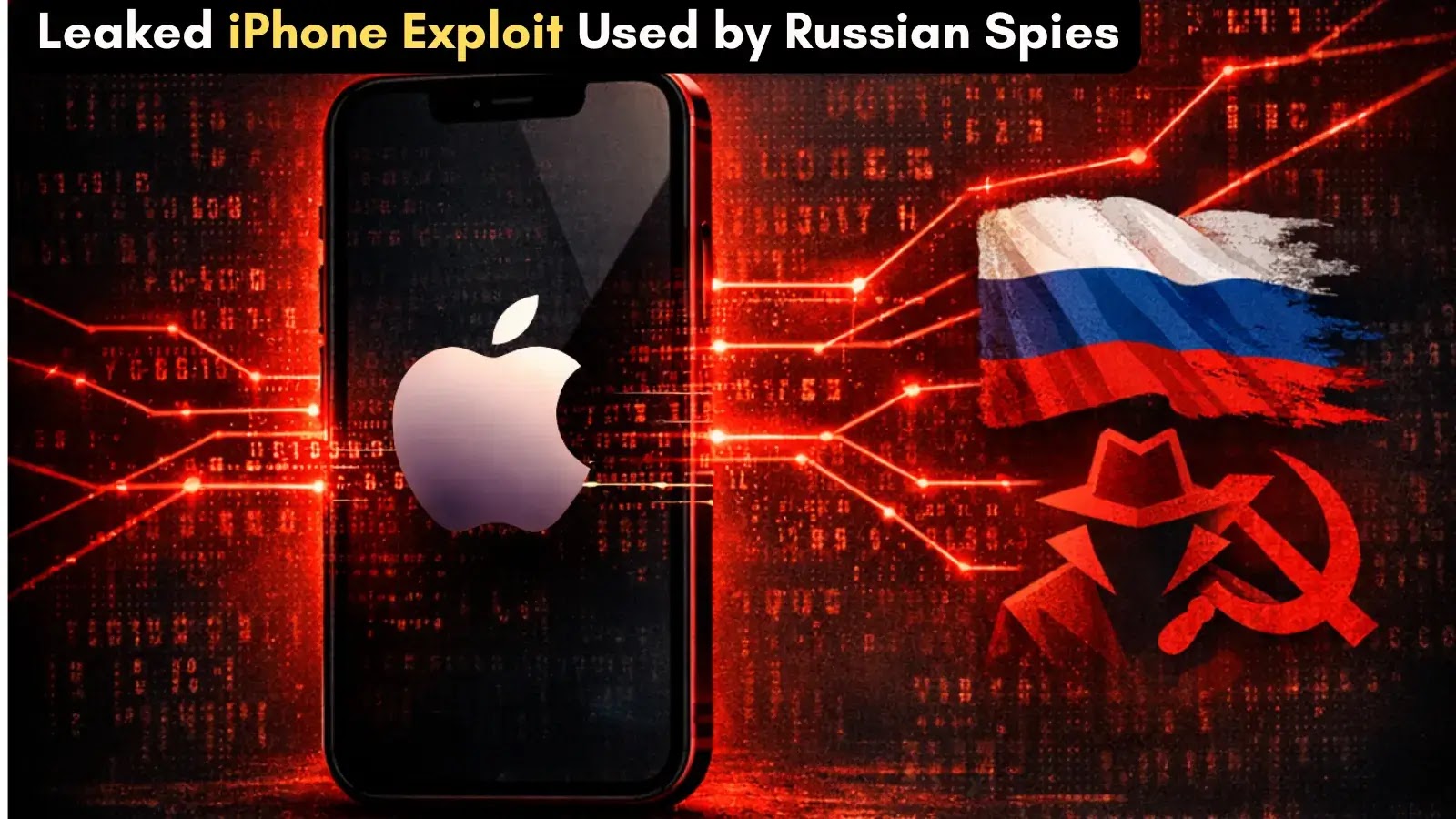
The cybersecurity landscape just unveiled a disturbing development: a powerful iPhone exploit toolkit, initially developed for Western intelligence, has reportedly fallen into the hands of Russian intelligence and Chinese cybercriminals. Known as “Coruna,” this sophisticated suite of hacking tools, allegedly built by U.S. military contractor L3Harris’s hacking division, Trenchant, presents a significant and immediate threat to iPhone users worldwide.
This incident underscores a critical paradox in national security: the very tools designed to protect nations can, if compromised, become formidable weapons against them. Understanding Coruna’s capabilities and its journey from classified development to global proliferation is crucial for all IT professionals, security analysts, and developers.
Coruna: A Deep Dive into iPhone Exploitation
“Coruna” is not just a single exploit; it’s a comprehensive toolkit comprising 23 distinct hacking components. This modular approach suggests a highly adaptable and versatile capability, designed to target various aspects of the Apple iPhone’s operating system and hardware. While specific details about each of these 23 components remain classified, their collective purpose is clear: to achieve deep and persistent compromise of iOS devices.
The development by Trenchant, a division of L3Harris, a prominent U.S. military contractor, highlights the advanced nature of these tools. Such contractors are typically tasked with creating state-of-the-art offensive capabilities for government intelligence agencies. The fact that this toolkit is now reportedly in the possession of adversarial states and cybercriminal groups elevates it from a strategic asset to a widespread security risk.
The Perilous Journey: From U.S. Contractor to Russian Spies and Chinese Cybercriminals
The path of Coruna from a secure Western intelligence environment to collection by Russian spies and Chinese cybercriminals raises alarming questions about intellectual property control, supply chain security, and the inherent risks associated with offensive cybersecurity development. How such a potent toolkit was compromised is currently unknown, but potential vectors include:
- Insider Threats: A disgruntled employee or a recruited operative within Trenchant or an allied intelligence agency.
- Supply Chain Attacks: Compromise of software or hardware components used in the toolkit’s development or deployment.
- Direct Cyber Espionage: Sophisticated state-sponsored attacks targeting the developers or the agencies utilizing Coruna.
- Accidental Leakage or Mismanagement: Inadvertent exposure due to poor security practices or human error.
Regardless of the method, the implications are severe. Russian intelligence agencies are known for their sophisticated cyber operations and willingness to target critical infrastructure and political entities. Chinese cybercriminals, often state-sanctioned or operating with tacit government approval, are notorious for intellectual property theft and large-scale data breaches.
Potential Targets and Impact
With a comprehensive toolkit like Coruna at their disposal, these actors can target a broad spectrum of individuals and organizations. Potential targets include:
- Government Officials and Diplomats: For espionage and intelligence gathering.
- Journalists and Activists: To monitor communications, suppress dissent, and identify sources.
- Corporate Executives: For industrial espionage and theft of trade secrets.
- Individuals with Access to Sensitive Information: For credential harvesting and further network infiltration.
The impact of successful exploitation via Coruna could range from pervasive surveillance and data exfiltration to complete device compromise, allowing for manipulation of data, remote control, and the deployment of additional malware. The lack of specific CVE numbers for Coruna-related vulnerabilities, given its likely classified origins, makes detection and mitigation even more challenging for the general public and even some security professionals.
Remediation and Defensive Strategies
While specific technical details of Coruna remain elusive, general best practices for securing iPhones against advanced persistent threats (APTs) are more critical than ever. Organizations and individuals should implement a multi-layered defense strategy:
- Keep iOS Updated: Always install the latest iOS updates from Apple promptly. These updates frequently patch newly discovered vulnerabilities.
- Strong Device Passcodes: Use strong, alphanumeric passcodes and enable Face ID/Touch ID.
- Review App Permissions: Regularly check and limit permissions for apps, especially those that request access to sensitive data or functions.
- Avoid Untrusted Websites and Links: Be extremely cautious of phishing attempts, unexpected links, and suspicious attachments. Even legitimate-looking communications can hide malicious payloads.
- VPN Usage: Use a reputable Virtual Private Network (VPN) on public Wi-Fi networks to encrypt traffic.
- Security Software for Mobile Devices: Consider enterprise-grade Mobile Device Management (MDM) solutions for organizational devices and reputable mobile security applications for personal devices, which can help detect anomalous behavior.
- Regular Backups: Maintain encrypted backups of your device data.
- Security Awareness Training: Educate users on the risks of social engineering, phishing, and the importance of cybersecurity hygiene.
Conclusion: The Double-Edged Sword of Cyber Warfare
The reported compromise of the Coruna iPhone exploit toolkit serves as a stark reminder of the double-edged nature of offensive cybersecurity capabilities. Tools created for national defense, if not perfectly secured, can quickly become instruments of global instability and threat. For cybersecurity professionals, this incident underscores the imperative to remain vigilant, to adhere to rigorous security protocols, and to understand that the threat landscape is dynamic and increasingly complex.
The journey of Coruna from a U.S. contractor to the hands of adversaries is a critical turning point, demanding a re-evaluation of how such powerful tools are developed, protected, and ultimately managed within the global intelligence community. Continuous adaptation and proactive defense are not just desirable; they are existential.