Iran‑Nexus APT ‘Dust Specter’ Hits Iraqi Officials with AI‑Assisted Malware and Novel RATs
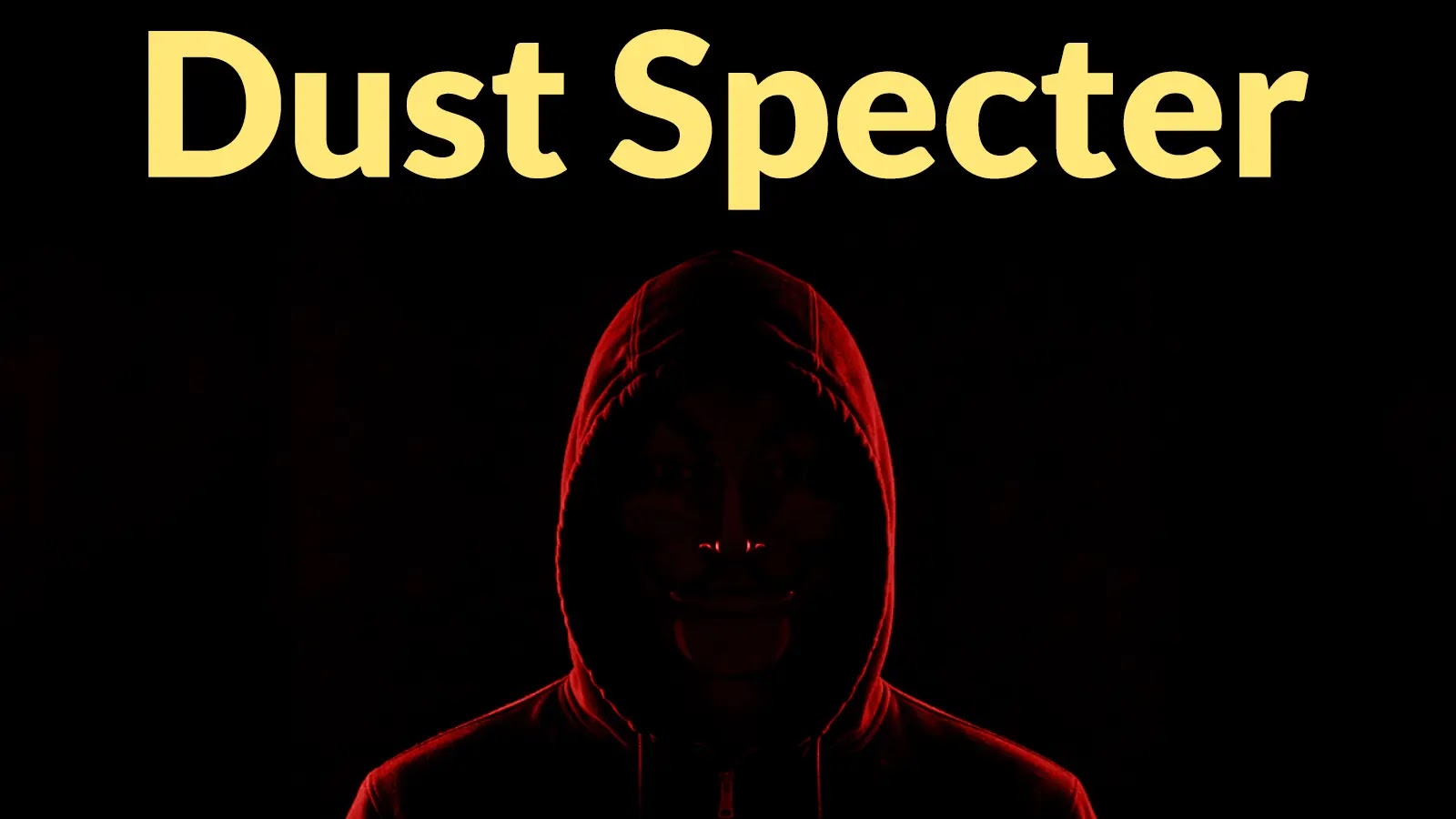
The digital battlefield continues to evolve, and recent events underscore the sophisticated threats targeting critical infrastructure and government entities. In a stark reminder of persistent state-sponsored cyber espionage, an APT group linked to Iran, dubbed Dust Specter, executed a cunning campaign against Iraqi government officials in January 2026. This operation leveraged advanced social engineering, AI-assisted tactics, and a suite of previously unknown malware, highlighting a significant escalation in offensive capabilities. This analysis delves into the technical intricacies of the Dust Specter campaign, its novel tools, and the broader implications for cybersecurity defense.
Dust Specter’s Deceptive Campaign: Impersonation and Infiltration
The Dust Specter campaign commenced with a classic, yet highly effective, social engineering ploy. The threat actors meticulously impersonated Iraq’s Ministry of Foreign Affairs, crafting phishing lures designed to appear legitimate and urgent to high-value targets within the Iraqi government. This impersonation created a facade of credibility, enticing officials to engage with malicious content. The objective was clear: to trick unsuspecting victims into downloading malicious files, thereby establishing an initial foothold within their systems.
Introducing a New Arsenal: SPLITDROP, TWINTASK, TWINTALK, and GHOSTFORM
A hallmark of the Dust Specter operation was the deployment of four entirely new and undocumented malware tools. These tools demonstrate a high degree of development sophistication and a calculated approach to maintaining stealth and control.
- SPLITDROP: This initial dropper serves as the beachhead for the attack. Its primary function is to facilitate the covert delivery and execution of subsequent malicious payloads, often evading traditional security measures through intricate obfuscation techniques.
- TWINTASK: A versatile backdoor, TWINTASK grants the attackers persistent remote access to compromised systems. This allows for reconnaissance, data exfiltration, and the deployment of additional tools as needed. Its modular design likely enables flexible mission adaptation.
- TWINTALK: This component functions as an advanced communication framework, specifically designed to establish covert command-and-control (C2) channels. TWINTALK likely employs sophisticated encryption and evasion tactics to blend in with legitimate network traffic, making detection challenging.
- GHOSTFORM: The most concerning of the new tools, GHOSTFORM is a powerful Remote Access Trojan (RAT). RATs like GHOSTFORM provide comprehensive control over the infected machine, allowing the attackers to execute arbitrary commands, log keystrokes, capture screenshots, and exfiltrate sensitive data with impunity. Its name suggests a focus on stealth and persistence.
The AI Assistance in Cyber Warfare
While specific details on the AI assistance employed by Dust Specter are still emerging, the context strongly suggests its use in enhancing the campaign’s efficacy. AI can be leveraged in several critical ways within a sophisticated cyberattack:
- Target Profiling and Social Engineering: AI algorithms can analyze vast amounts of open-source intelligence (OSINT) to create highly personalized and convincing phishing emails, predicting which lures are most likely to succeed against specific individuals.
- Malware Development and Evasion: Machine learning can aid in generating polymorphic code, making malware signatures harder to detect, and in testing different evasion techniques against various security products.
- Automated Reconnaissance: AI can accelerate the mapping of target networks, identifying vulnerabilities and potential entry points far more efficiently than human analysts.
- C2 Traffic Obfuscation: AI could be used to dynamically alter C2 communication patterns, mimicking legitimate traffic and making it harder for network defenders to identify malicious activity.
Remediation Actions for Enhanced Cybersecurity Posture
Organizations, particularly those in government and critical infrastructure, must adopt a proactive and multi-layered defense strategy to counter threats like Dust Specter. Here are crucial remediation actions:
- Strengthen Email Security: Implement advanced anti-phishing solutions with AI-driven detection capabilities. Conduct regular awareness training for all personnel on identifying and reporting suspicious emails. Consider email gateway solutions that perform deep content inspection and sandboxing.
- Endpoint Detection and Response (EDR): Deploy EDR solutions across all endpoints. EDRs provide crucial visibility into endpoint activity, allowing for the detection of unusual behaviors, malici