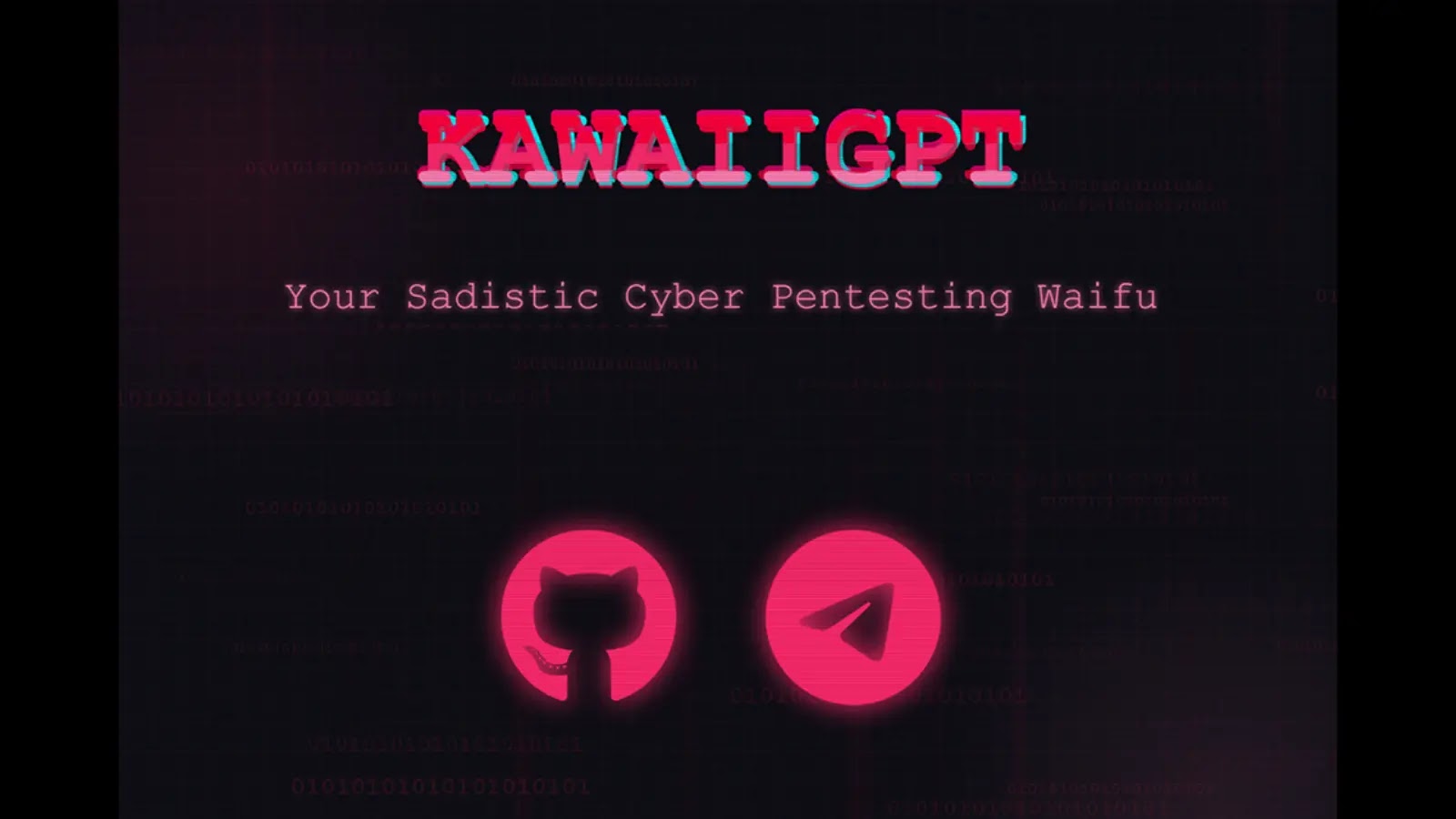
KawaiiGPT – New Black-Hat AI Tool Used by Hackers to Launch Cyberattacks
KawaiiGPT: The Alarming Rise of a New Black-Hat AI Tool
The cybersecurity landscape has been fundamentally reshaped by advancements in artificial intelligence. While AI offers immense potential for defense, it also empowers threat actors. A particularly concerning development is the emergence of KawaiiGPT, a free, malicious large language model (LLM) that is rapidly lowering the entry barrier for cybercrime. First identified in July 2025 and already at version 2.5, KawaiiGPT equips even novice cybercriminals with sophisticated tools for launching various attacks, ranging from phishing to ransomware.
What is KawaiiGPT?
KawaiiGPT stands out in the black-hat AI market due to its free and open-source nature. Unlike its paid counterparts, such as WormGPT 4, which demands a monthly subscription of $50 for similar functionalities, KawaiiGPT’s accessibility makes it a powerful and readily available weapon for a wider range of malicious actors. This accessibility not only democratizes cybercrime but also amplifies the potential for widespread damage across various sectors. The tool’s capabilities are designed to streamline the creation of highly effective and convincing malicious content and scripts, further complicating defensive strategies.
The Impact on Cybercrime
The primary concern surrounding KawaiiGPT is its ability to facilitate complex cyberattacks for individuals who previously lacked the technical expertise or financial resources. Its features include:
- Phishing Email Generation: KawaiiGPT can craft highly sophisticated and contextually relevant phishing emails, making them more difficult for users to detect as fraudulent. This capability increases the success rate of social engineering attacks.
- Ransomware Note Creation: The tool assists in generating intimidating and persuasive ransomware notes, often tailored to specific victims or industries, thereby maximizing the psychological impact and pressure to pay.
- Attack Script Development: For cybercriminals with limited coding skills, KawaiiGPT can generate various attack scripts, streamlining the execution of malicious activities against vulnerable systems.
This dramatic reduction in the “skill floor” for cyberattacks means that organizations face an increased threat from a larger and more diverse pool of adversaries. The sheer volume and sophistication of attacks are likely to escalate.
Comparing KawaiiGPT to Other Black-Hat LLMs
The black-hat AI market isn’t entirely new, with tools like WormGPT 4 already offering similar malicious LLM services. However, KawaiiGPT’s free and open-source model fundamentally shifts the landscape. While WormGPT 4 provides a curated, albeit expensive, service, KawaiiGPT’s open availability on various platforms means it can be adopted and adapted by anyone. This open-source nature also allows for rapid development and dissemination of new features and attack methods, making it a dynamic and evolving threat.
Remediation Actions for Organizations
Given the escalating threat posed by tools like KawaiiGPT, organizations must strengthen their defenses. Proactive measures and a multi-layered security approach are paramount:
- Enhanced Employee Training: Implement continuous, updated training programs to educate employees on recognizing sophisticated phishing attempts, social engineering tactics, and the latest cyber threats.
- Advanced Email Security Filters: Deploy robust email security solutions that leverage AI and machine learning to detect and block malicious emails, including those generated by tools like KawaiiGPT, before they reach user inboxes.
- Multi-Factor Authentication (MFA): Enforce MFA across all critical systems and applications to add an essential layer of security, even if credentials are compromised.
- Endpoint Detection and Response (EDR) Systems: Utilize EDR solutions to monitor endpoints for suspicious activity, allowing for rapid detection and response to potential intrusions.
- Regular Security Audits and Penetration Testing: Conduct frequent security audits and penetration tests to identify vulnerabilities and weaknesses in systems and processes before attackers can exploit them.
- Incident Response Plan: Develop and regularly test a comprehensive incident response plan to ensure swift and effective action in the event of a cyberattack.
Conclusion
The emergence of KawaiiGPT underscores a critical evolution in the threat landscape. Its free, open-source nature significantly lowers the barrier to entry for cybercrime, enabling a broader spectrum of malicious actors to launch sophisticated attacks. Organizations must recognize this shift and prioritize proactive cybersecurity measures, investing in advanced defensive technologies, continuous employee training, and robust incident response planning to mitigate the escalating risks posed by AI-powered cyber tools.