Kohler’s Encrypted Smart Toilet Camera is not Actually end-to-end Encrypted
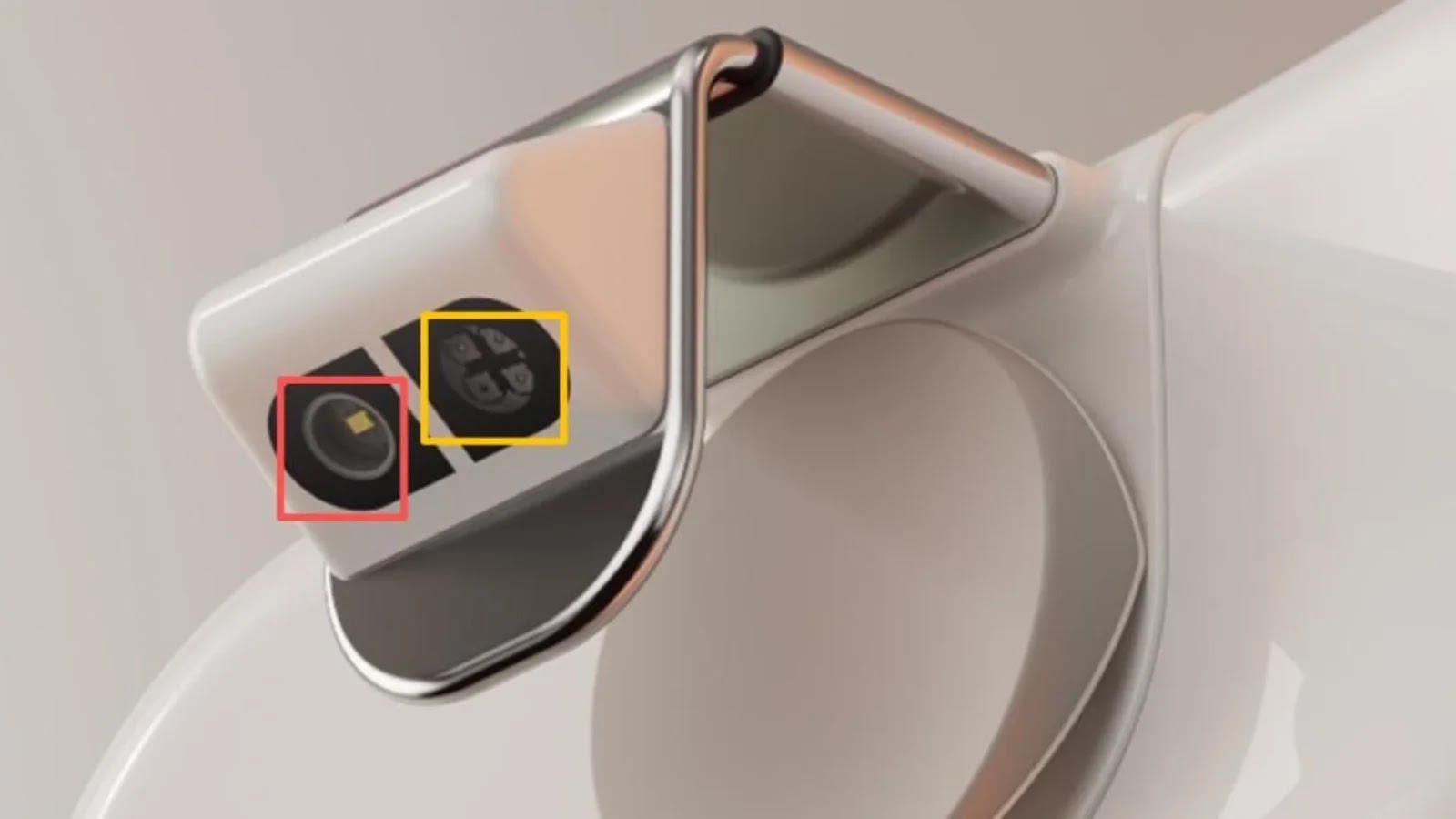
In a striking example of greenwashing in the cybersecurity domain, Kohler’s new “Dekoda” smart toilet camera system, launched with assurances of “end-to-end encryption,” has been found to misrepresent this critical security claim. This revelation raises significant alarm bells, particularly as the device is designed to capture and upload highly sensitive intimate health data to Kohler’s servers.
The Misleading Promise of End-to-End Encryption
Kohler marketed its approximately $600 smart toilet camera system with a promise of “end-to-end encryption.” In the cybersecurity industry, this term carries a very specific meaning: data is encrypted at the source device and remains encrypted until it reaches its intended recipient, where only the recipient holds the decryption keys. This design ensures that no intermediaries, including the service provider itself, can access the plaintext data.
However, investigations reveal that Kohler’s implementation deviates significantly from this industry standard. While data may be encrypted during transit, the critical distinction lies in where the decryption keys are held and where the data is ultimately decrypted. If Kohler’s servers can decrypt and access the “intimate health data” before it reaches the user, or if they hold the keys, then the system does not genuinely offer end-to-end encryption from a security perspective.
This discrepancy is not merely a technical nuance; it represents a fundamental breach of user privacy expectations, especially for a device handling such personal and sensitive information.
Data Privacy Concerns with Smart Home Devices
The incident involving the Kohler Dekoda device underscores a growing concern regarding data privacy in the smart home ecosystem. Devices that collect personal data, especially those tied to health or biometric information, demand the highest standards of security and transparency.
- Sensitive Health Data: The Dekoda device is designed to capture user-specific health data. Any compromise of this data could lead to severe privacy violations, identity theft, or even medical discrimination.
- Trust Erosion: Misleading claims about security features erode user trust in smart device manufacturers. Consumers rely on explicit assurances like “end-to-end encryption” to make informed purchasing decisions regarding their privacy.
- Regulatory Scrutiny: Such practices could attract regulatory scrutiny under data protection laws like GDPR (General Data Protection Regulation) or CCPA (California Consumer Privacy Act), which mandate clear communication about data handling and security.
Understanding True End-to-End Encryption
For IT professionals and security analysts, understanding the nuances of encryption claims is vital. True end-to-end encryption (E2EE) implies:
- Client-Side Encryption: Data is encrypted on the user’s device before being transmitted.
- Key Management: Only the communicating endpoints (e.g., the user’s device and another authorized user’s device) possess the keys to decrypt the data. The service provider never has access to the unencrypted data or the keys to decrypt it.
- Protection Against Interception: Even if data is intercepted, it remains unintelligible without the correct decryption key, which is not accessible to third parties.
A system where the service provider holds the decryption keys, or where data is decrypted on the service provider’s servers before being re-encrypted for the end-user, is generally referred to as “encryption in transit” or “encryption at rest” but not true end-to-end encryption.
Remediation Actions and Best Practices for Consumers and Organizations
Given the revelations, both consumers and organizations deploying or recommending smart devices must exercise caution.
For Consumers:
- Scrutinize Security Claims: Do not blindly trust marketing claims. Research how “end-to-end encryption” is implemented by specific vendors.
- Understand Data Handling Policies: Read privacy policies carefully to understand what data is collected, how it is stored, and who has access to it.
- Limit Data Sharing: Where possible, opt out of optional data sharing features, especially for sensitive health information.
For Organizations and IT Professionals:
- Vendor Due Diligence: Conduct thorough security assessments of all smart devices, especially those handling sensitive data, before procurement or recommendation. Verify encryption claims with technical documentation, not just marketing materials.
- Educate Users: Inform users about the real risks associated with smart devices and the importance of understanding data privacy.
- Advocate for Transparency: Demand greater transparency from device manufacturers regarding their data handling practices and encryption methodologies.
No CVE Found for This Specific Incident
At the time of this publication, there is no specific Common Vulnerabilities and Exposures (CVE) identifier assigned to Kohler’s misleading encryption claims. This situation highlights that not all cybersecurity issues, especially those concerning misrepresentation of features rather than direct technical exploitation, are cataloged within the CVE system.
Relevant Tools for Privacy and Security Auditing
While the Kohler specific issue is about misleading claims rather than a direct vulnerability requiring a patch, general tools for network analysis and data privacy auditing are crucial for assessing smart devices.
| Tool Name | Purpose | Link |
|---|---|---|
| Wireshark | Network protocol analyzer to inspect data in transit and identify encryption status. | https://www.wireshark.org/ |
| OWASP ZAP | Web application security scanner to identify vulnerabilities in web interfaces and APIs often used by smart devices. | https://www.zaproxy.org/ |
| Nmap | Network scanner for discovering hosts and services on a computer network, useful for understanding device connectivity. | https://nmap.org/ |
| Burp Suite Community Edition | Web proxy for intercepting and modifying HTTP/S traffic to analyze device communication. | https://portswigger.net/burp/communitydownload |
Conclusion
The case of Kohler’s smart toilet camera serves as a stark reminder that marketing claims around cybersecurity, especially “end-to-end encryption,” must be critically evaluated. For a device collecting deeply personal health data, anything less than true end-to-end encryption from the user to their designated endpoint creates unacceptable privacy risks. Consumers and cybersecurity professionals must remain vigilant, prioritize transparency, and demand rigorous security implementations from smart device manufacturers to protect sensitive personal information.